Fame and Its Consequences
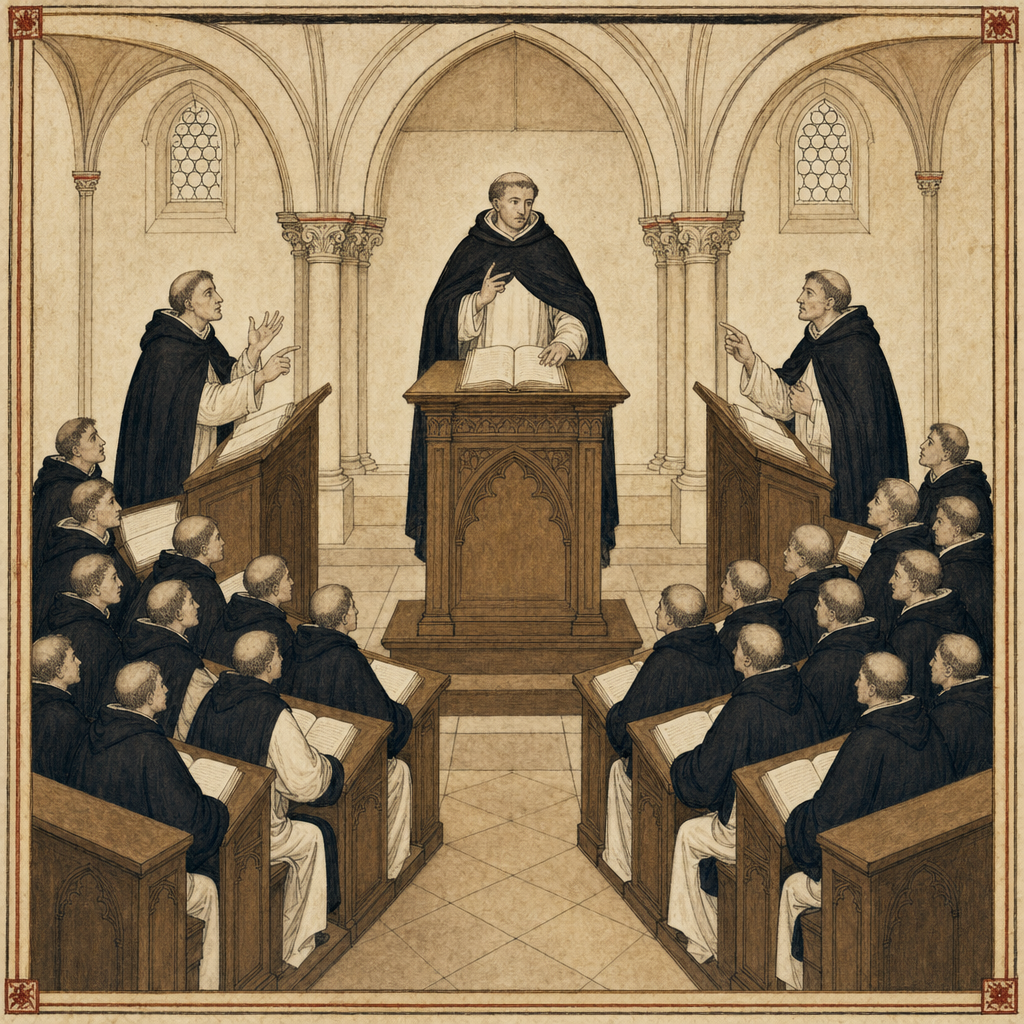
Abelard describes his early career with disarming candour: he came to Paris, demolished the arguments of his teacher William of Champeaux on the question of universals, and watched the schools empty as students abandoned William for him. This success bred enemies. Abelard is not naive about this — he presents his intellectual triumph and his subsequent suffering as causally connected. To defeat a great teacher is to make powerful enemies; to attract devoted students is to become a target for those whose authority rests on being unchallengeable.
Persecution and Identity
After the mutilation by Heloise's uncle Fulbert and the humiliating spectacle of the Council of Soissons, Abelard might have retreated into silence. He does not. Wherever he goes — as a monk, as a hermit, as a teacher in the wilderness — students follow, and his writing continues. The Historia suggests that persecution, for Abelard, is not proof that he was wrong but confirmation that truth provokes resistance. His identity is inseparable from his intellectual vocation, and no amount of institutional violence can sever that connection.
The Consolation of Philosophy
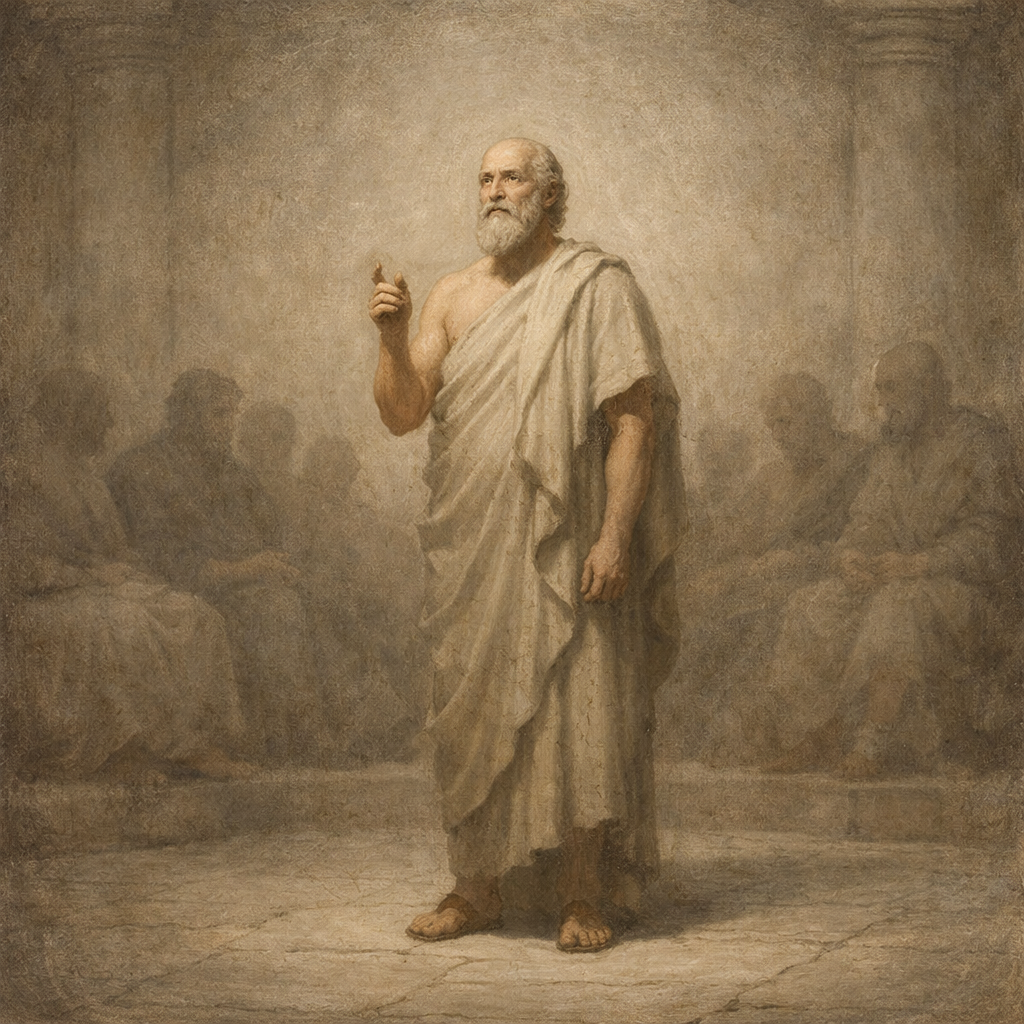
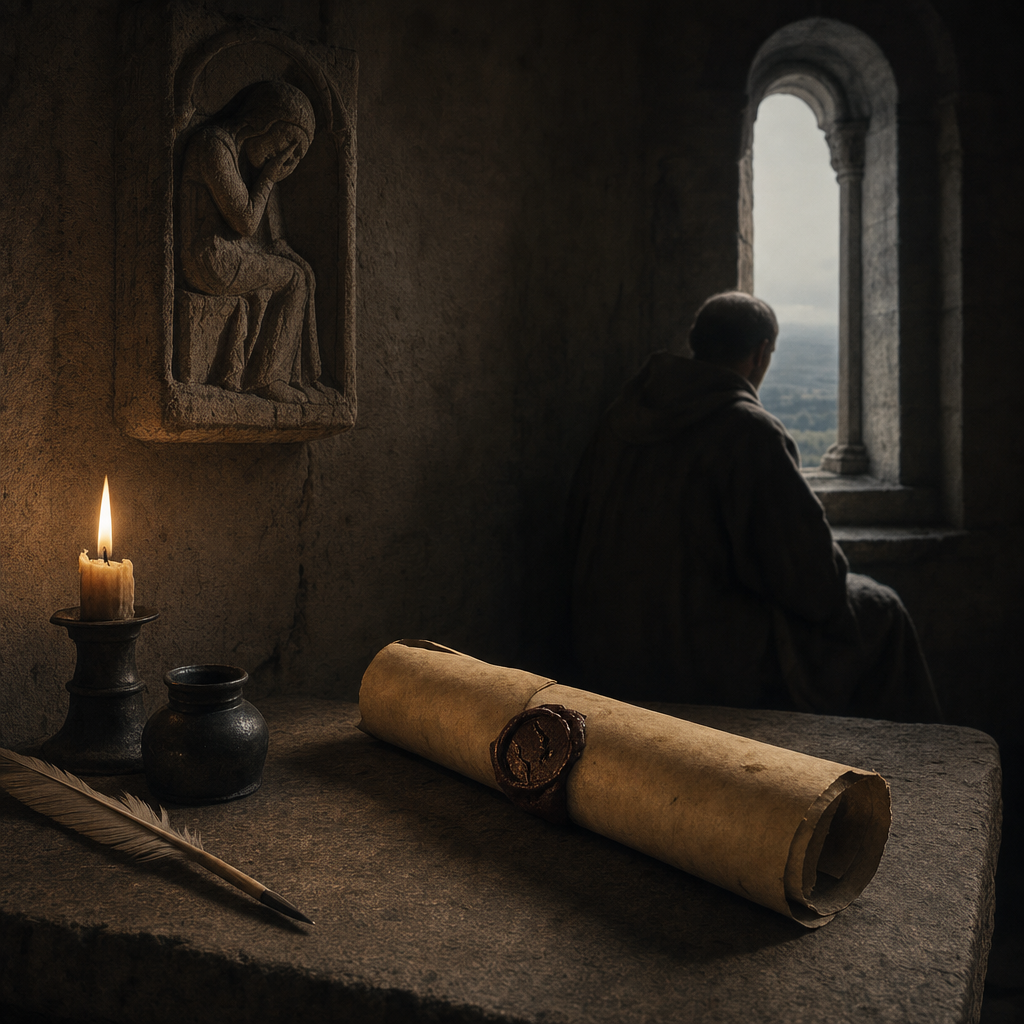
The Historia Calamitatum is addressed to an unnamed friend who is suffering, and Abelard offers his own sufferings as consolation — the argument being that no calamity is unique and no grief is final. There is something Boethian in this: Abelard situates himself in a tradition of thinkers persecuted for their commitment to truth, from Socrates onward. The philosopher's suffering is not merely personal misfortune but a structural feature of the philosophical life in a world where power and truth rarely coincide.
The Historia Calamitatum is the first of Abelard's famous letters with Heloise and is dated to around 1132. It is exceptional in medieval Latin literature for its psychological self-analysis and its secular narrative form, drawing on Roman autobiography as much as on hagiography.
Related Concepts