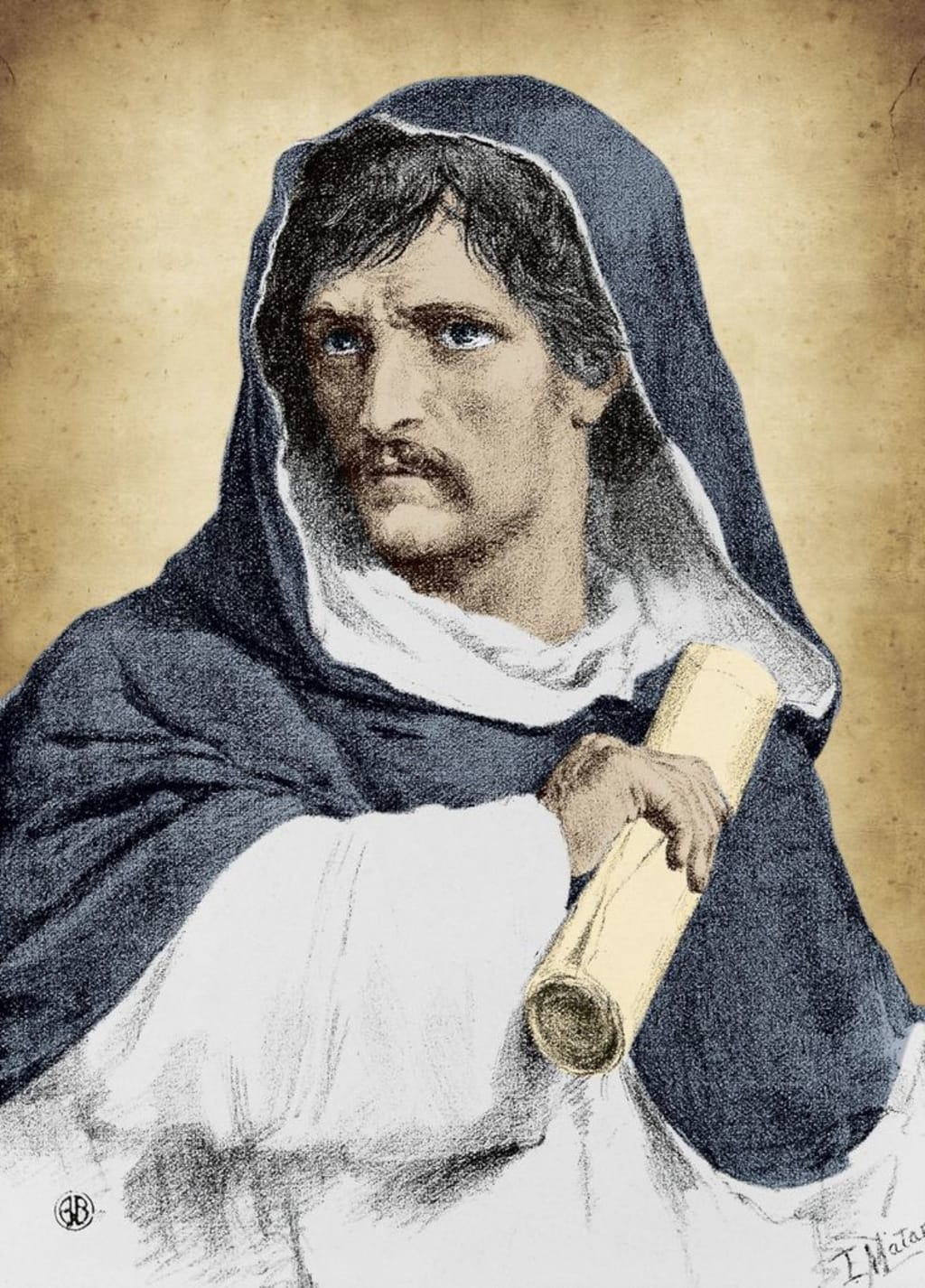
The Allegory of Heaven's Reform
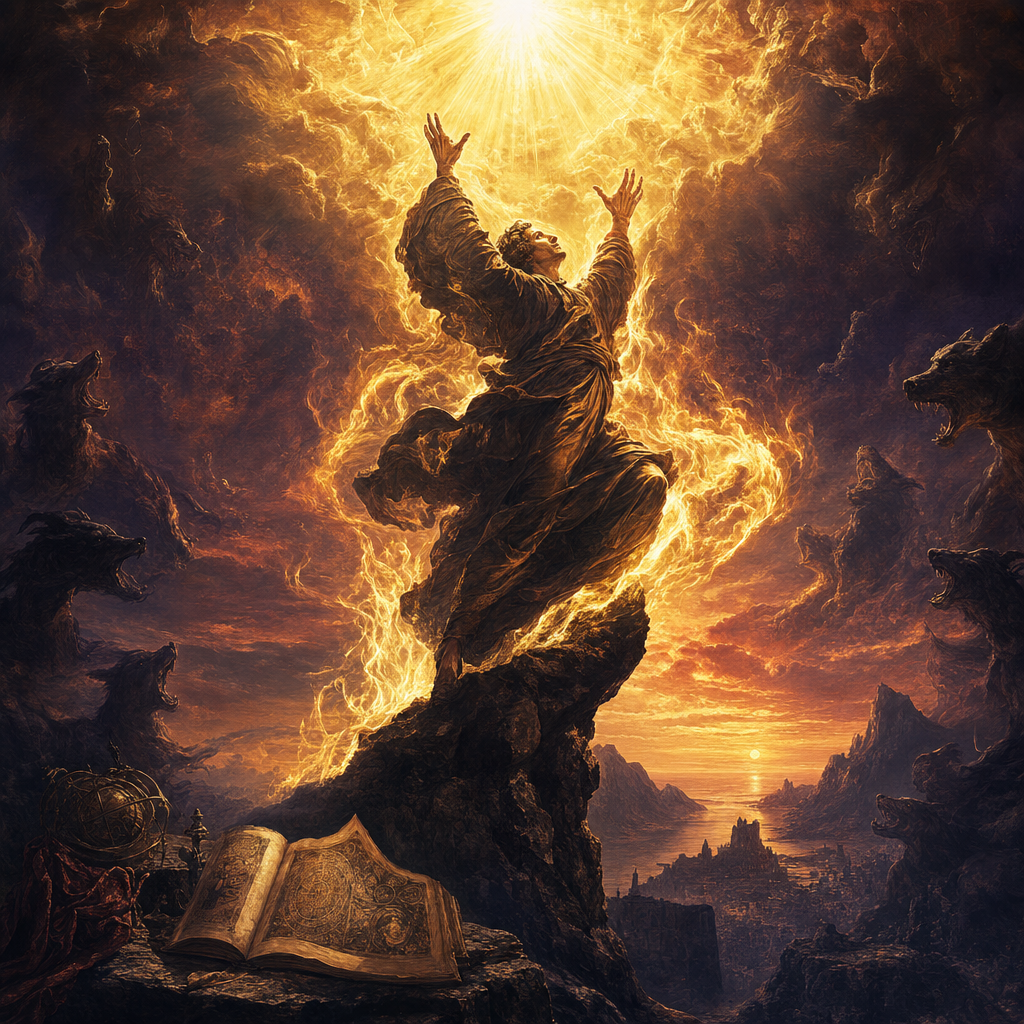
Jove, reflecting on his past misconduct and the disorder of the heavens, convenes the gods to expel the vices that have usurped the constellations and replace them with virtues. The allegory is transparent: the reform of heaven represents the reform of human religion and morality. The vices being expelled are not mere personal failings but the institutional corruptions of the Church — superstition, pedantry, hypocrisy, the selling of spiritual goods, the use of religious authority to maintain social and intellectual oppression.
The Egyptian Religion as Model
Bruno has Jove praise the ancient Egyptians as practitioners of a superior natural religion: one that worshipped God through representations of natural things (plants, animals, celestial bodies) rather than through anthropomorphic images and theological abstractions. The Egyptian religion, on Bruno's reading, understood that God is present in and through nature, that the sacred is immanent rather than transcendent, and that virtue — not ritual purity or doctrinal orthodoxy — is the proper response to divine immanence. This was the religion Christianity displaced and should restore.
Virtue as the True Criterion
The positive content of Bruno's natural religion is ethical: virtue, understood as the realisation of one's nature in relation to the whole, is the highest human achievement and the proper form of service to the divine. Bruno is explicitly Stoic in his ethics: the virtuous person lives according to nature, fulfils her function in the cosmic order, and is not distracted by the superstitious fears and irrational hopes that revealed religion trades in. This virtue-centred natural religion is universal — applicable to all human beings regardless of their particular theological tradition.
The Expulsion of the Triumphant Beast (Spaccio de la bestia trionfante) was published in London in 1584, ostensibly dedicated to Philip Sidney. Its critique of revealed religion was among the charges examined at Bruno's trial.
Related Concepts