The Inconsistencies of Scripture
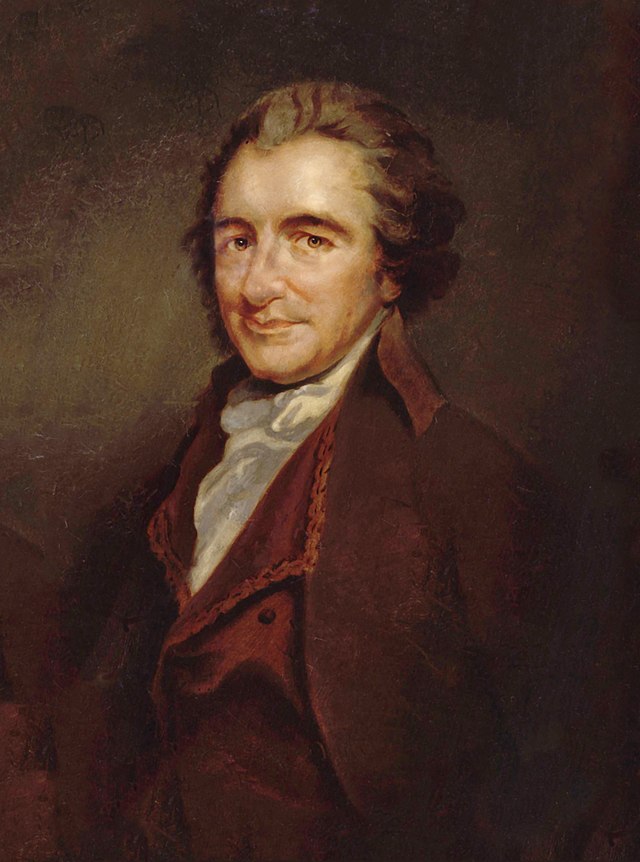
Paine's method is empirical: he reads the text carefully and notes where accounts of the same events differ between books, where chronology is impossible, where the same speech appears in different versions, where authors claim to describe events that happened after their supposed deaths. He points out that the book of Genesis cannot have been written by Moses because it describes Moses's death; that the Psalms attributed to David contain references to events after David's time; that the four Gospel accounts of the resurrection are inconsistent in details that matter. These are not obscure points but visible in any attentive reading — which suggests, Paine argues, that they have simply not been read attentively.
Prophecy Reconsidered
A major pillar of the traditional argument for Christianity was prophecy: the claim that the Hebrew prophets had predicted the coming of Jesus in detail, demonstrating divine foreknowledge. Paine examines the key prophecies cited in the New Testament and argues that in each case the original passage is either about something completely different in its historical context, or sufficiently vague that almost any subsequent event could be claimed to fulfil it. The argument from prophecy, he concludes, is not evidence of divine inspiration but of interpretive ingenuity — the New Testament authors read the prophecies backward, finding in them what they needed to find.
The Canon as Human Choice
Paine draws attention to the fact that the canon of scripture — the list of books counted as divinely inspired — was determined by human councils acting centuries after the events described, and that the decisions made by those councils were contested at the time and remained contested afterward. Books now regarded as apocryphal were considered authoritative by some early Christian communities; books now in the canon were rejected by others. If the selection of inspired texts was itself a human, political, and contentious process, it cannot serve as evidence of divine dictation.
The Age of Reason cost Paine most of what remained of his popular reputation in America, where he had been celebrated as the author of Common Sense and The Crisis. His critique of Christianity was interpreted as atheism by a population that would not have understood or accepted the deist distinction.
Related Concepts