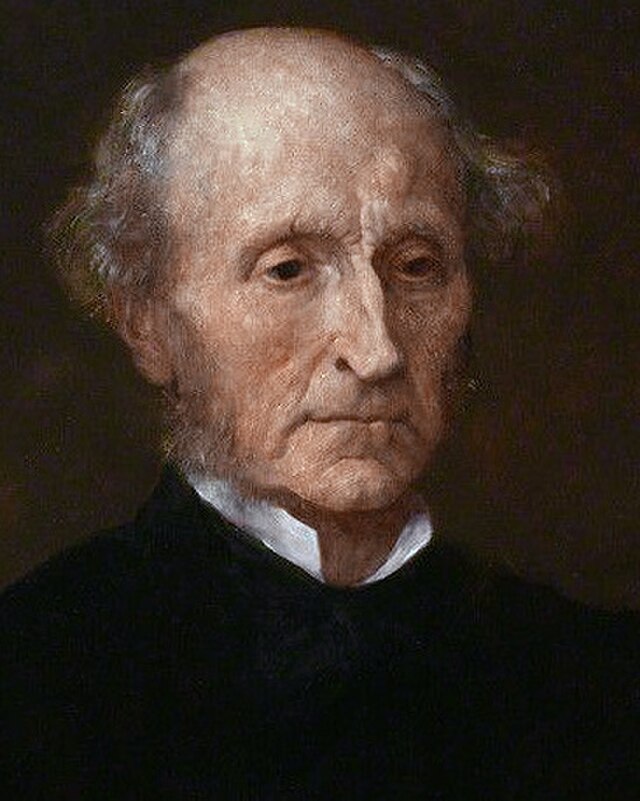
The Structure of the Proof
Mill argues as follows: the sole evidence that something is visible is that people actually see it; the sole evidence that something is audible is that people hear it; analogously, the sole evidence that happiness is desirable is that people actually desire it. Since each person desires their own happiness, happiness is a good to each person, and therefore the general happiness is a good to the aggregate of all persons. Critics have objected that 'desirable' does not mean 'capable of being desired' in the way that 'visible' means 'capable of being seen' — it means 'worthy of being desired,' which is a normative claim requiring normative argument, not mere observation.
The Naturalistic Strategy
Whether or not the proof succeeds, its strategy is significant. Mill aims to ground ethics in observable human psychology rather than in a priori intuitions, divine commands, or social contracts. The ultimate moral facts, he believes, must connect with what humans actually are and actually want. The proof is not a deductive proof in the logical sense — Mill explicitly says that ultimate ends are not susceptible to proof in the ordinary sense — but an appeal to the best evidence available: our deepest and most reflective desires, once examined and refined.
Desire and the Desirable
Mill further argues that the only things desired as ends — rather than as means to happiness — are virtue, money, power, and fame, and that these are desired because they have become constitutive parts of happiness for those who value them. A person who truly desires virtue does not desire it as a tool but as something whose exercise is itself a component of their happiness. This move allows Mill to accommodate the intuition that virtue is intrinsically valuable without abandoning the claim that happiness is the ultimate end.
Chapter 4 of Utilitarianism. G.E. Moore's criticism of the 'naturalistic fallacy' in Principia Ethica (1903) is largely directed at Mill's proof; subsequent defences have argued Moore misread what Mill was attempting.
Related Concepts