The Assumption of Infallibility
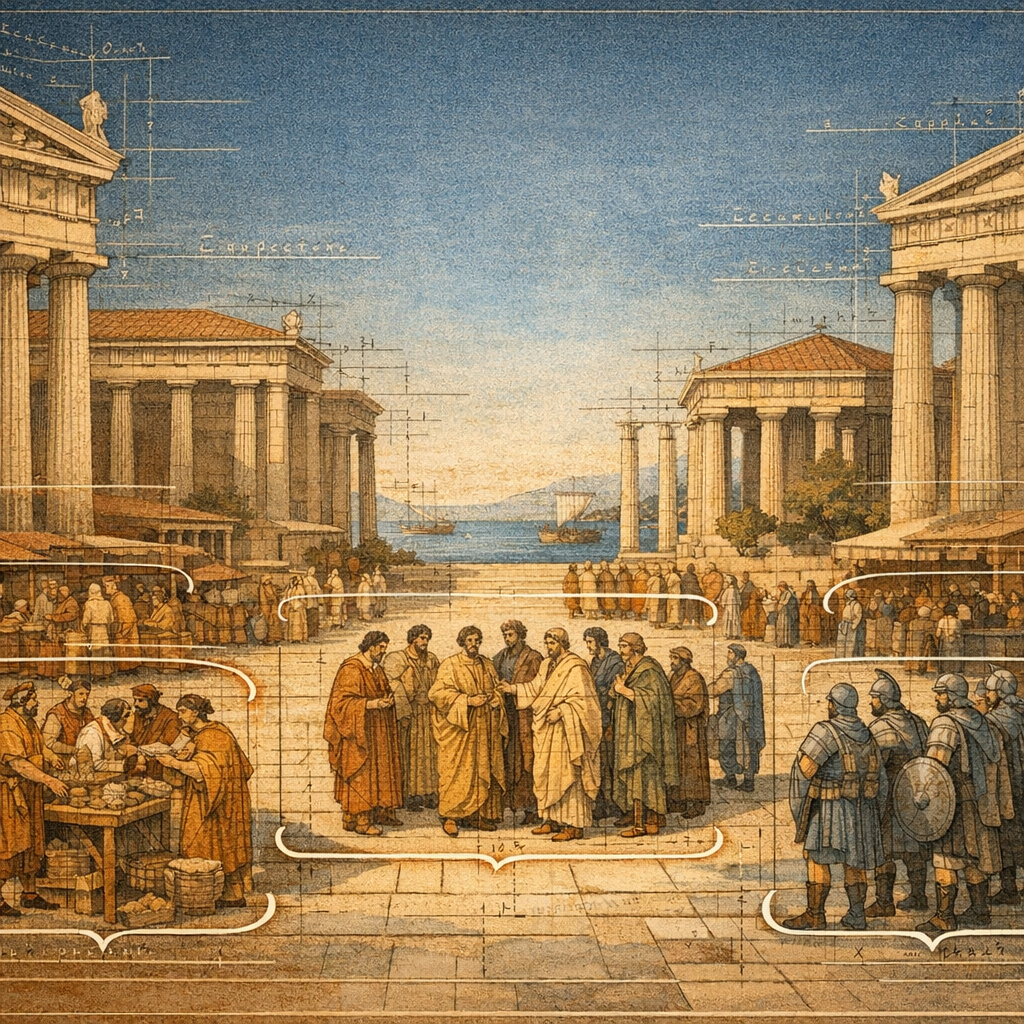
Mill's central charge against censorship is that it presumes infallibility. To silence an opinion is to assume you are certain enough of its falsity that no one else should be allowed to judge. But this is precisely the assumption that history most thoroughly refutes. Socrates was silenced. Jesus was silenced. Every generation of reformers has been silenced by those confident they were right. The very institutions most certain of their correctness have most consistently been wrong.
We can never be sure that the opinion we are endeavouring to stifle is a false opinion; and if we were sure, stifling it would be an evil still.
The Dead Dogma
Even if a suppressed opinion were false, silencing it causes a second, subtler harm. A belief held without challenge becomes a dead dogma — learned by rote, repeated without understanding, stripped of the force that comes from genuinely knowing why it is true. Mill uses the history of Christian ethics as an example: its truths became formulae, repeated without vital comprehension, because no serious opposition was allowed to pressure believers into real understanding.
The collision of opinions is not a concession to error — it is the mechanism by which truth is kept alive. No one genuinely understands their position until they have confronted the strongest version of the opposing one. A truth that has never been challenged is believed as a prejudice, not known as a conviction. Free discussion is not just a political good; it is an epistemic necessity.
The Partial Truth
if any opinion is compelled to silence, that opinion may, for aught we can certainly know, be true. To deny this is to assume our own infallibility.
Mill adds a third argument: most disputed questions are not simply true or false but involve conflicting partial truths. The suppressed opinion typically captures something the prevailing view has missed. Free debate allows the partial truths on different sides to find each other, combine, and approach something more complete. A regime of enforced orthodoxy not only risks crushing the true against the false — it also prevents the synthesis of truths that only become visible when opposed views are allowed to develop fully.
The argument for freedom of thought and discussion occupies all of Chapter II of On Liberty, Mill's longest and most philosophically developed chapter. The examples of Socrates and Marcus Aurelius as persecutors appear in that chapter.
Related Concepts