Reasonable and Unreasonable Doctrines
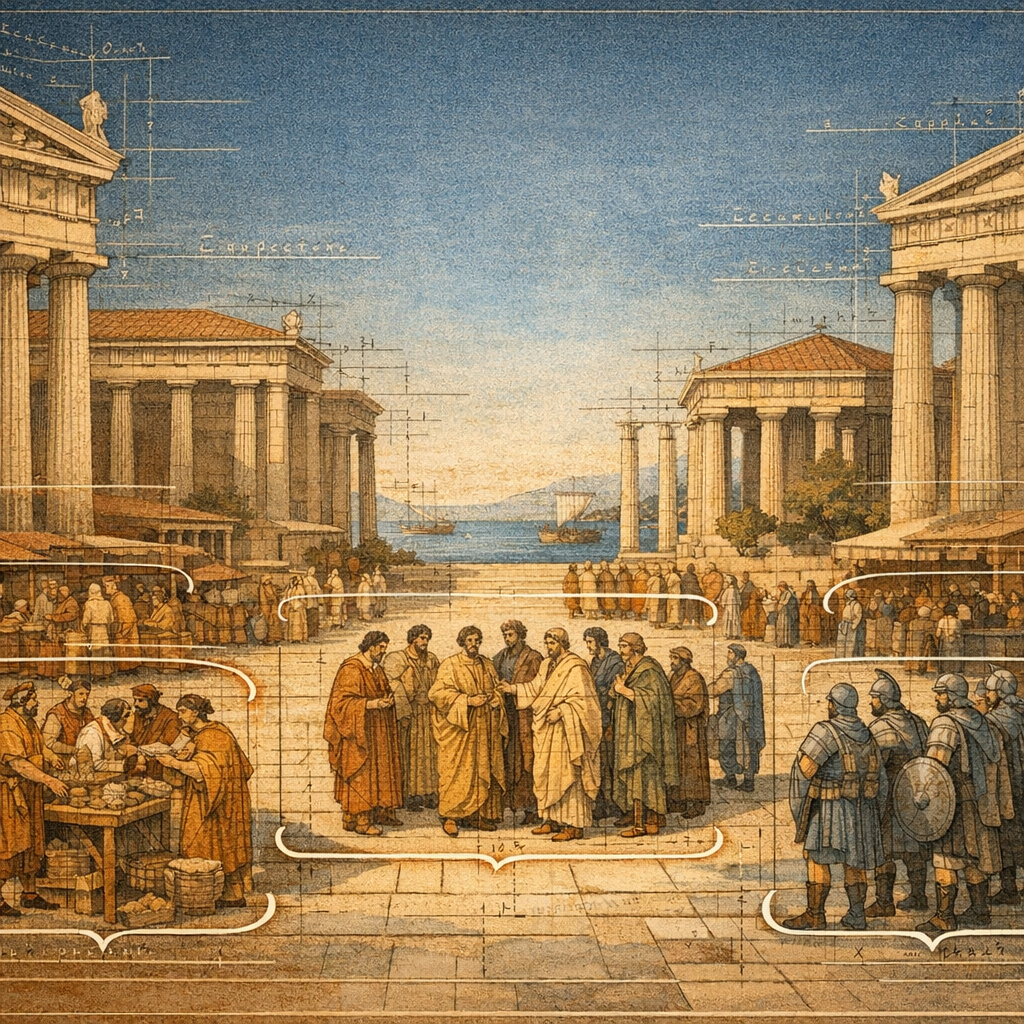
Not all comprehensive doctrines are reasonable in Rawls's sense. A reasonable doctrine accepts the burdens of judgment — the recognition that conscientious people applying reason carefully can reach different conclusions — and extends to others the right to hold their own doctrines. Unreasonable doctrines demand that their own comprehensive view be imposed on all. Liberal democracy must tolerate the former; it need not extend the same toleration to the latter.
The Political Not the Metaphysical
The distinctive move of Political Liberalism is to separate political philosophy from metaphysics. Questions about the nature of persons, the good life, or ultimate reality are beyond the scope of political philosophy in a pluralist society. The political conception of the person — as free and equal citizen — is not a metaphysical claim about what persons really are, but a practical postulate for political cooperation.
The Basic Structure
Rawls limits the scope of his theory to the "basic structure of society" — the major political and economic institutions that distribute rights, opportunities, and advantages across a lifetime. This focus distinguishes political philosophy from personal ethics: questions of how individuals should live their lives fall under the authority of their comprehensive doctrines, not political justice.
The distinction between reasonable and unreasonable pluralism is central to Lecture II of Political Liberalism; "the political not the metaphysical" was the title of an influential 1985 article that anticipated the book.
Related Concepts