The Religion of Healthy-Mindedness
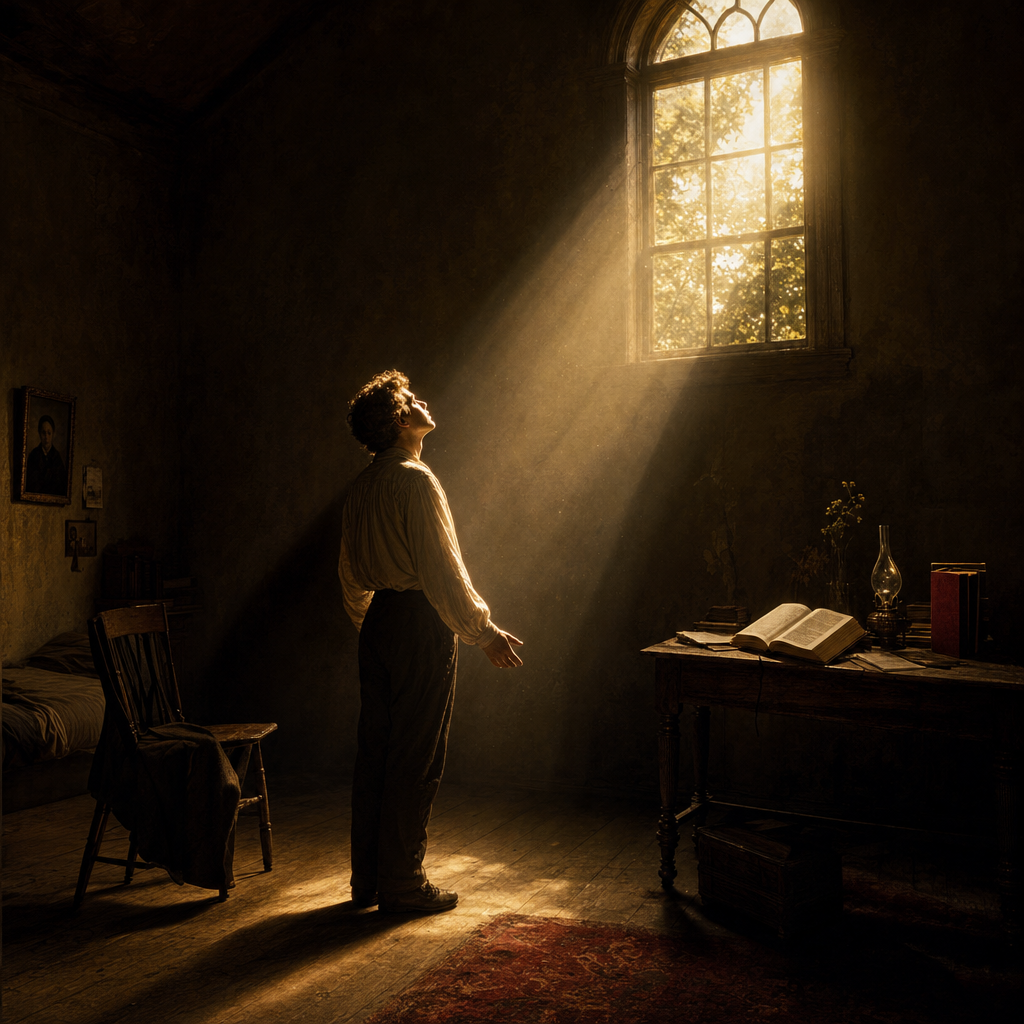
Healthy-minded religion — the religion of Walt Whitman, of mind-cure movements, of liberal optimism — insists that evil is unreal or peripheral, that the world is fundamentally good, and that attention to darkness is a form of morbidity to be corrected. James takes this tradition seriously as a psychological fact and a genuine religious option, but he does not think it the whole story.
The Morbid Threshold
The sick soul cannot maintain the optimistic view. For it, evil is not an appearance but a reality — felt as a permanent undertow beneath the surface of ordinary life. Tolstoy's account of his spiritual crisis, John Bunyan's terror of damnation, and the anonymous "Frenchman" (actually James himself) who describes seeing a catatonic patient and recognising in him the abyss at the heart of his own confidence — these are James's paradigm cases.
To begin with, how _can_ things so insecure as the successful experiences of this world afford a stable anchorage? A chain is no stronger than its weakest link, and life is after all a chain. In the healthiest and most prosperous existence, how many links of illness, danger, and disaster are always interposed?
The Twice-Born and the Deeper Yes
The twice-born are those who have traversed the sick soul's darkness and come through to a new affirmation — not the naive optimism of the once-born but a harder, costlier yes that has acknowledged evil and overcome it. James associates this pattern with the great religious conversions: Paul, Augustine, Bunyan, Tolstoy. The twice-born religion is more complete because it has taken the full measure of reality, not just the pleasant parts of it.
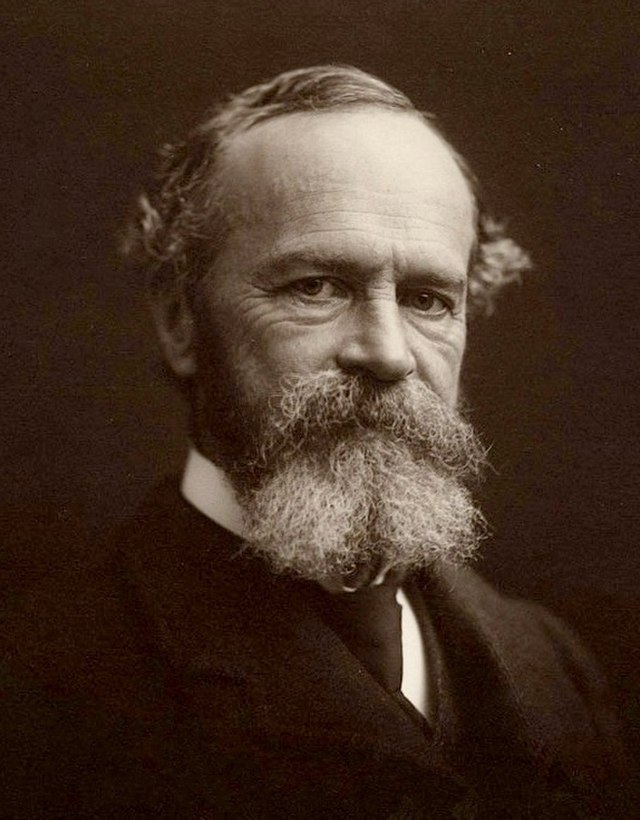
The distinction between healthy-mindedness and the sick soul runs through Lectures IV–VIII of The Varieties of Religious Experience (1902). The anonymous "Frenchman" account in Lecture VI is now known to be James's own testimony about his experience in 1869–70.
Related Concepts