What Resignation Accomplishes
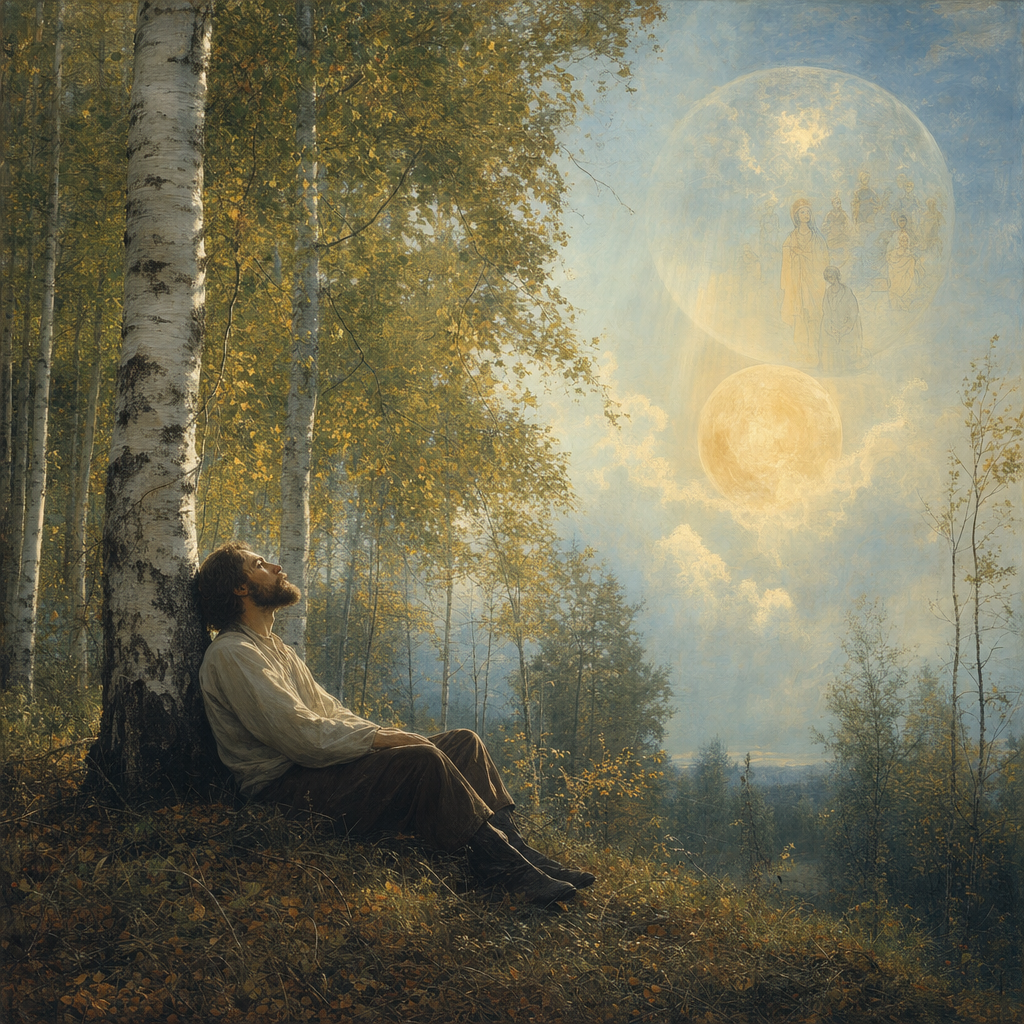
Infinite resignation does not make the renounced thing cease to matter; it transforms the mode in which it matters. The young man who loves a princess he cannot have — a recurring figure in Kierkegaard's thought experiments — does not, through resignation, stop loving her. He relinquishes any claim to her in time, any hope of actual union, and in doing so discovers that he can preserve his love in its purest form as an eternal possibility. This preserved longing is not consolation; it is the transmutation of finite hope into infinite grief and infinite possibility, held together without collapse.
The Aristocracy of Spirit
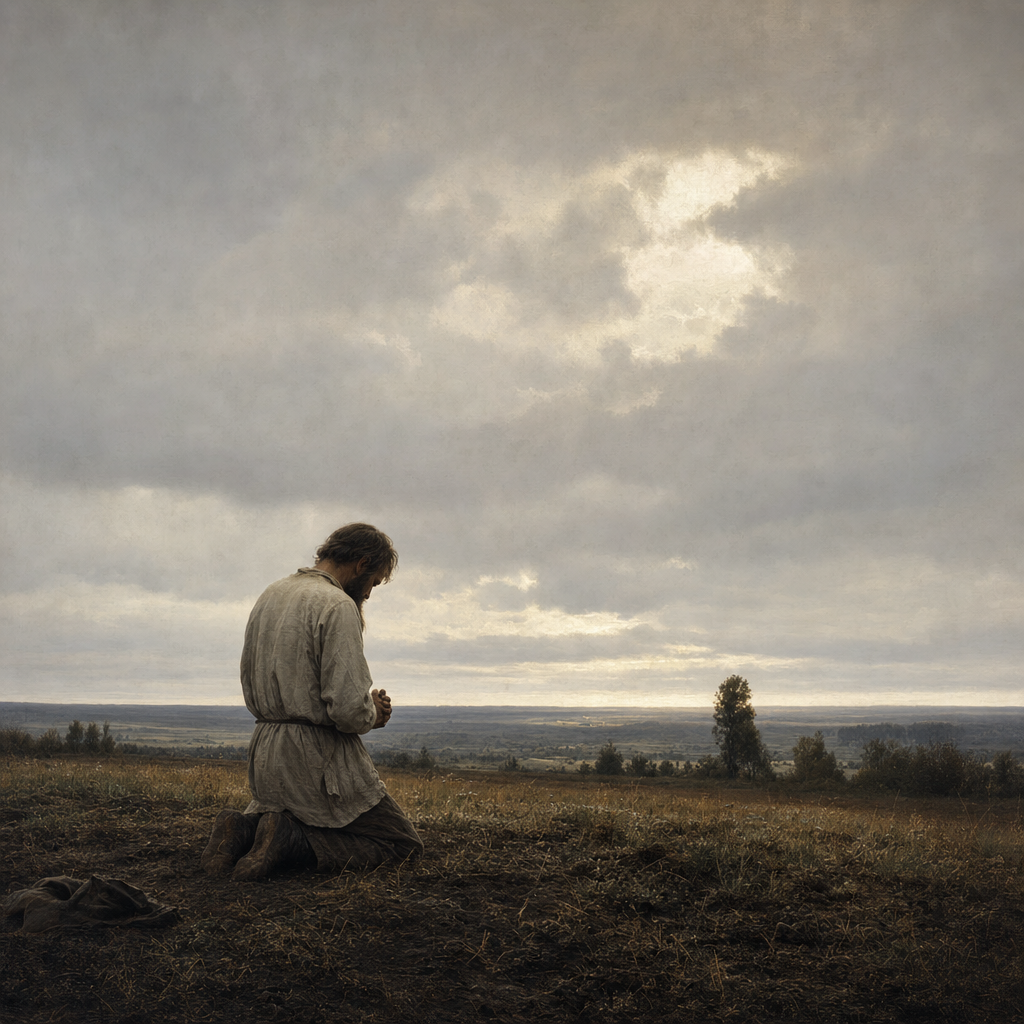
Kierkegaard treats infinite resignation with deep respect, even admiration. Anyone who has genuinely accomplished this movement — who has truly given up what they most love, holding it only in the eternal — has achieved something that most people never manage. Most people make deals with their finitude: they give up part of what they love in exchange for what they can actually have, and call the compromise contentment. The knight of infinite resignation makes no such deal. Their nobility is real, their pathos genuine, and their loneliness absolute.
Why Resignation Is Not Faith
And yet resignation, however admirable, is not faith. It remains within the purely human; it accomplishes the highest movement available to unaided human spirit. What it cannot do is make the further movement — the expectation, by virtue of the absurd, that the finite will be returned. Resignation keeps what it loves only in the eternal and at the cost of the temporal. Faith keeps what it loves in the temporal too, through a relationship to God that no human logic can secure or explain. The gap between resignation and faith is the gap between the humanly possible and the impossible, between the tragic hero and Abraham.
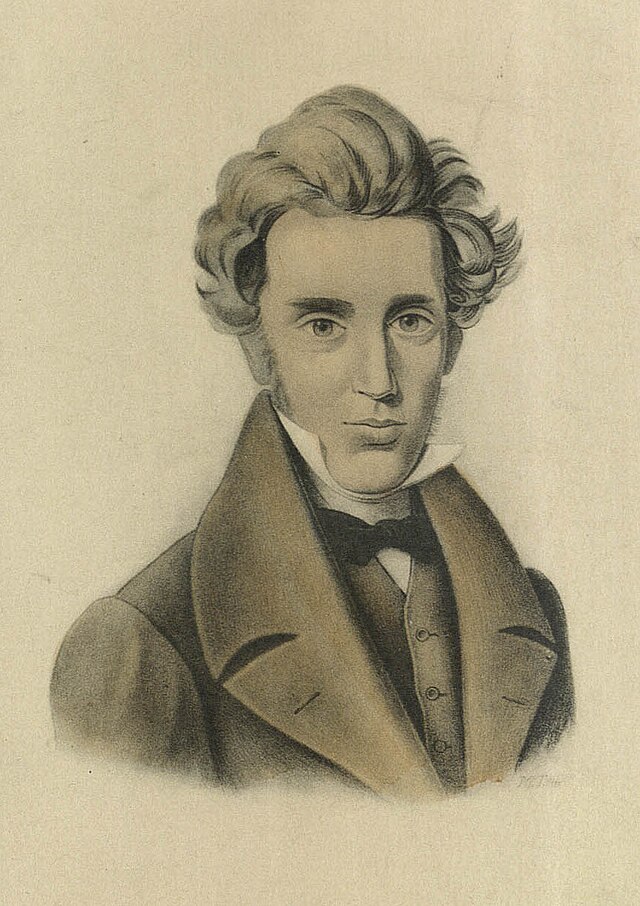
The concept of infinite resignation is developed in the section "Preliminary Expectoration" in Fear and Trembling (1843). Kierkegaard draws on Romantic literature, particularly the figure of the young man who loves impossibly, as his primary phenomenological material.
Related Concepts