Life as Awareness, Not Duration
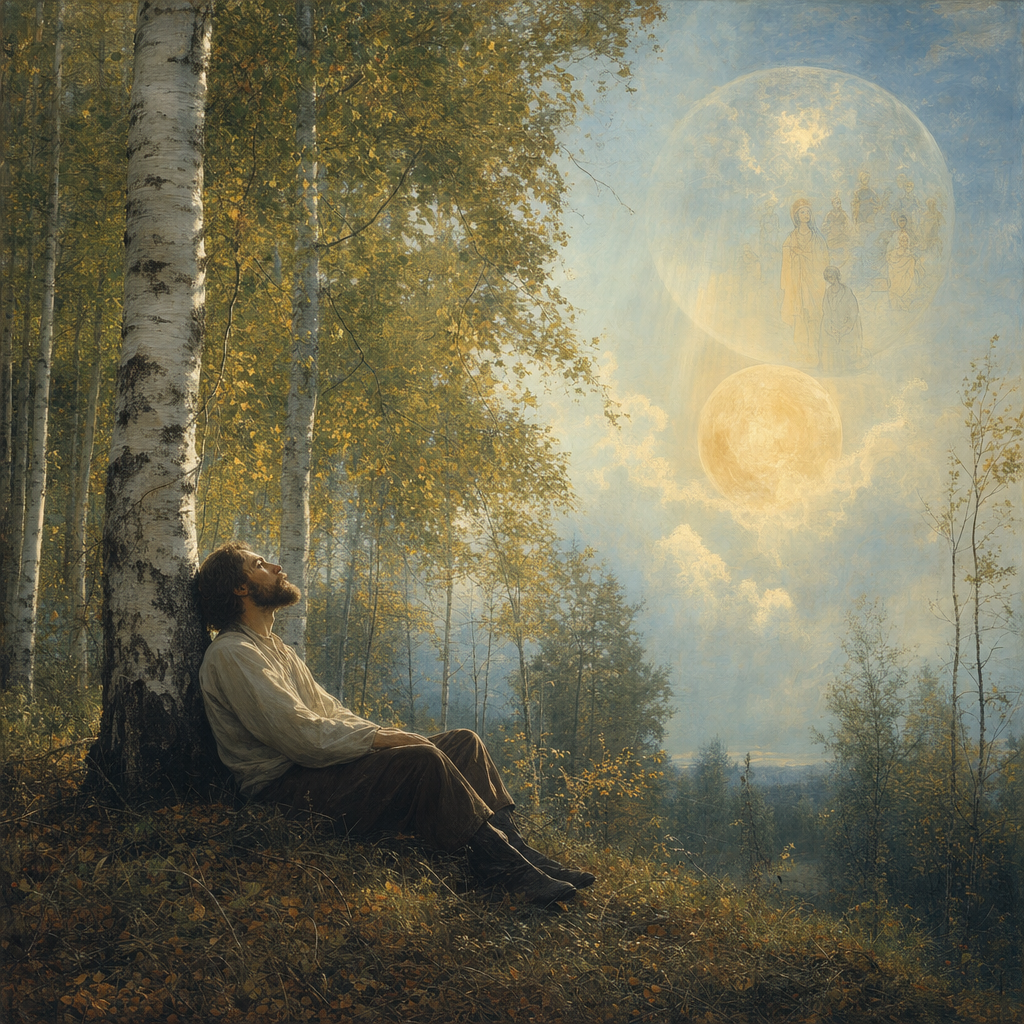
Tolstoy begins by challenging the ordinary assumption that life means biological existence — the continuation of the organism through time. On this view, more life is simply more time, and death is the termination of everything valuable. But this cannot be right, Tolstoy argues, because the biological organism is not what we value most about human existence. What we value — in ourselves and in others — is the quality of awareness and love that a human being can bring to its existence. A long life of dull selfishness is not more life than a short one of genuine love; in the relevant sense it may be less.
Love as the Mode of True Life
The true life, for Tolstoy, is constituted by love — not the emotion but the active orientation of rational consciousness toward the good of others. When a person genuinely loves — when they experience another's joy as their own joy and another's suffering as their own suffering — they are living in the fullest sense available to a human being. This experience is not rare or mystical; it is available to anyone willing to stop concentrating on the animal personality's ledger of gains and losses. The difficulty is that it requires a genuine reorientation of attention, not just an addition of charity to an otherwise unchanged life.
The Paradox of Self-Denial
The apparent paradox of Tolstoy's position is that the path to the best life runs through the denial of the self as ordinarily understood. But this is only a paradox if we assume that the animal personality is the self — that what we are is, fundamentally, this body with its desires and fears. Tolstoy's claim is that this identification is itself the root error. What we most deeply are is rational consciousness, and rational consciousness does not lose anything by the diminishment of the animal personality — on the contrary, it is freed by it. The self that dies in self-denial is not the true self but its cage.
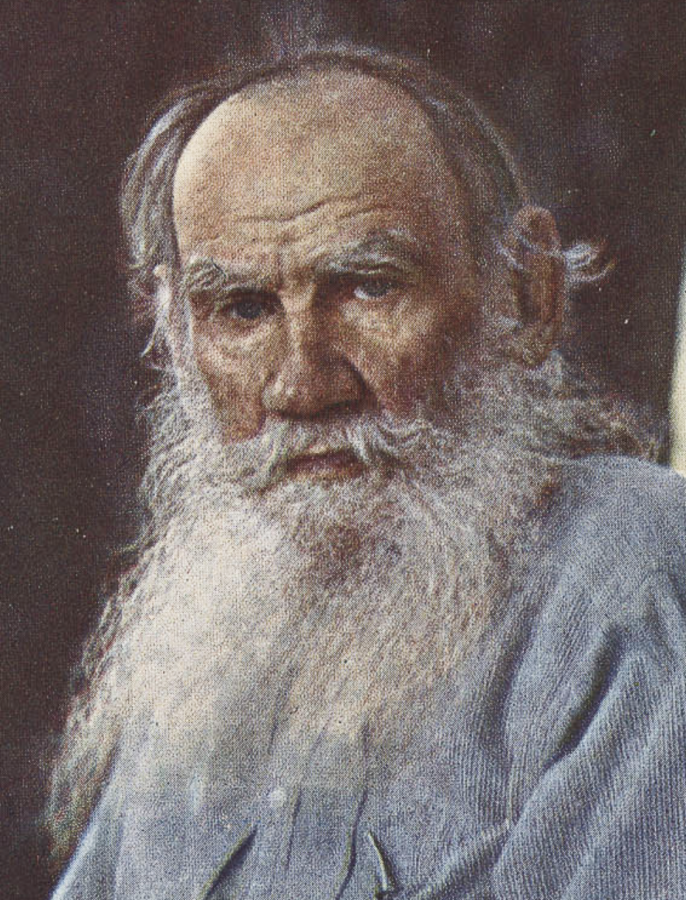
On Life contains Tolstoy's most sustained philosophical argument and is in some ways his answer to Schopenhauer: where Schopenhauer concludes that the will must be denied because it leads to suffering, Tolstoy argues that only the animal will needs to be denied — the rational will, oriented toward love, is the source of the only genuine good available to human beings.
Related Concepts