The Movement of Infinite Resignation
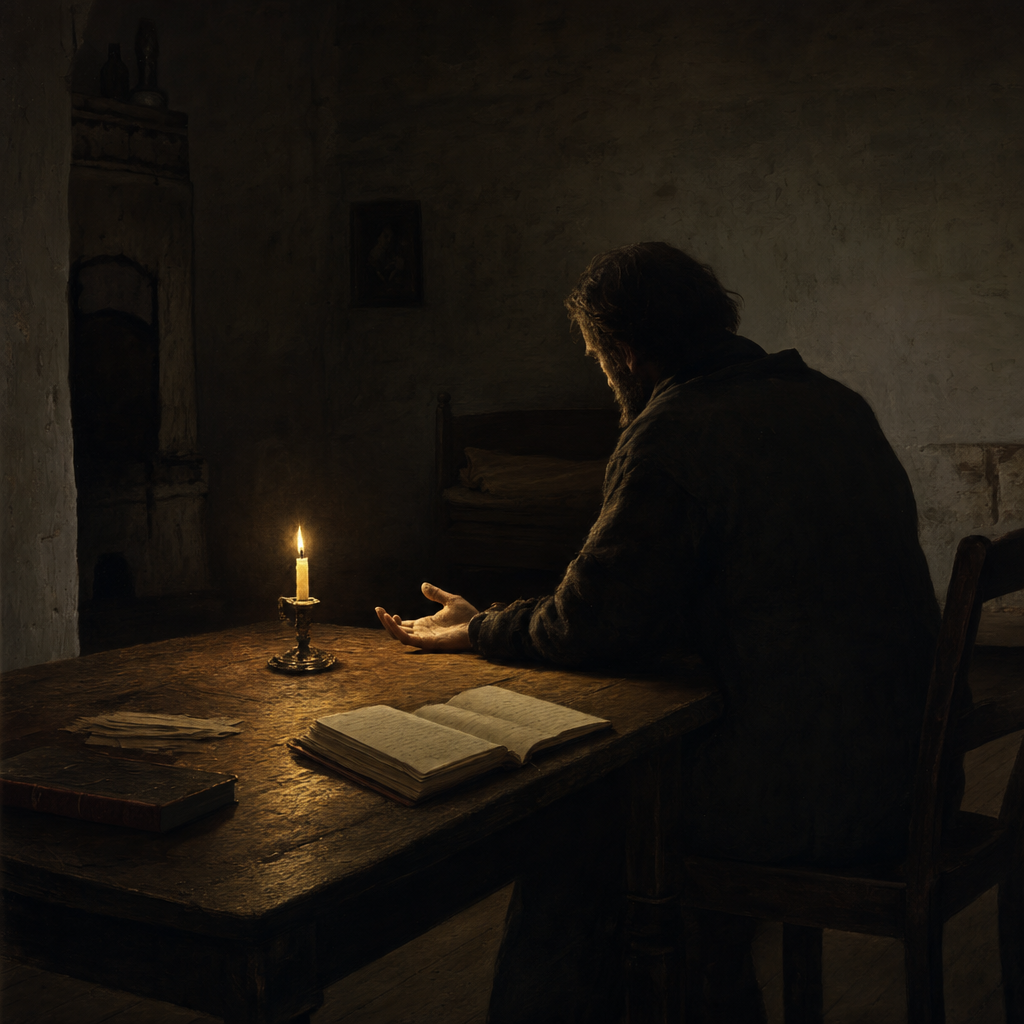
Before faith there is resignation. The knight of infinite resignation is the person who has relinquished everything finite — every worldly hope, every temporal attachment, every claim on happiness in this life — in order to hold their desire in pure eternal form. This movement is already heroic: most people make compromises, hold on to partial hopes, cannot fully relinquish what they love. The knight of resignation gives it up absolutely, keeping it only as an eternal longing in which the finite is transfigured into the infinite. This is the movement of tragedy and poetry — beautiful, admirable, and ultimately self-enclosed.
The Second Movement: By Virtue of the Absurd
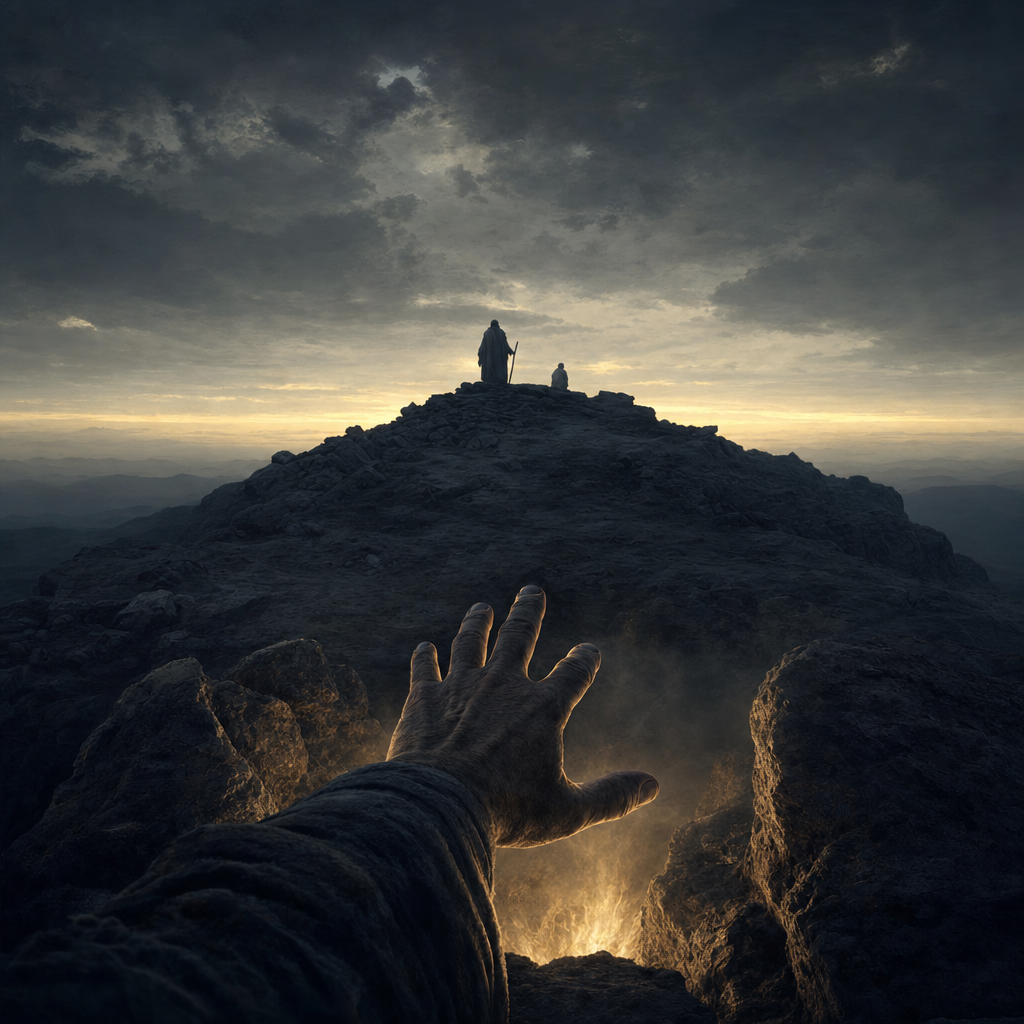
Faith adds a second movement that no human calculation can prepare for: having renounced the finite absolutely, the knight of faith expects to receive it back — not in some spiritual or symbolic sense but literally, in time, on the strength of the absurd. Abraham, having resigned Isaac completely, believing that God's command is absolute and that he must obey it, simultaneously believes by virtue of the absurd that God will not require this sacrifice — that Isaac will be restored. This double movement is not a logical contradiction but an existential paradox: it requires holding simultaneously that the finite is renounced and that it will be restored.
The Bourgeois Knight
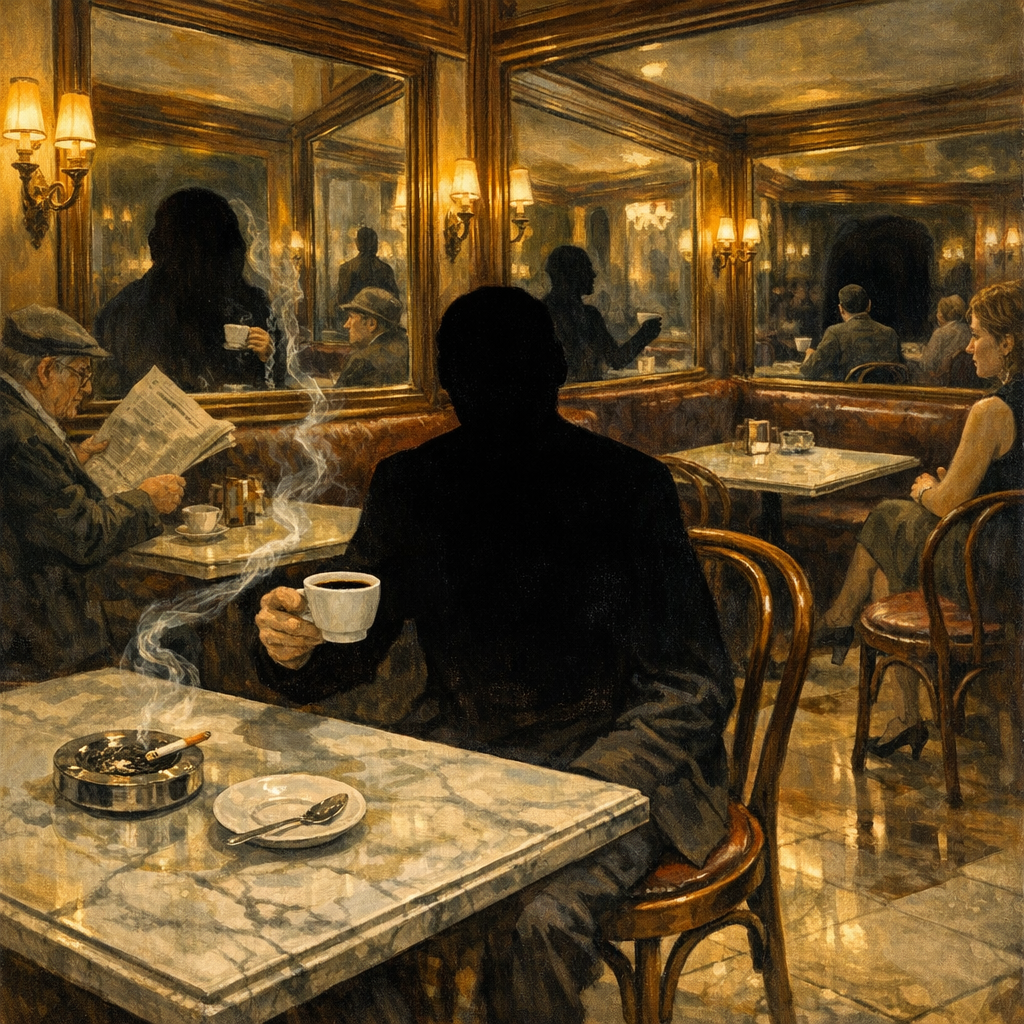
Johannes de Silentio's most striking observation is that the knight of faith looks entirely ordinary: not like a prophet, not like a mystic, not like a tragic hero. They walk in the street like any other person, enjoy their dinner, take pleasure in small things, participate in the world with a kind of lightness that is incomprehensible to those who know what they have passed through. Their inwardness is invisible because it does not need external expression. This hiddenness is part of what makes them figures of such existential loneliness: they cannot be recognised, cannot explain themselves, cannot form a community with others of their kind.
The portrait of the knight of faith occupies the first part of Fear and Trembling, before the three Problemata. It is one of the most discussed passages in Kierkegaard's authorship and has had profound influence on twentieth-century theology, philosophy of religion, and existential literature.
Related Concepts