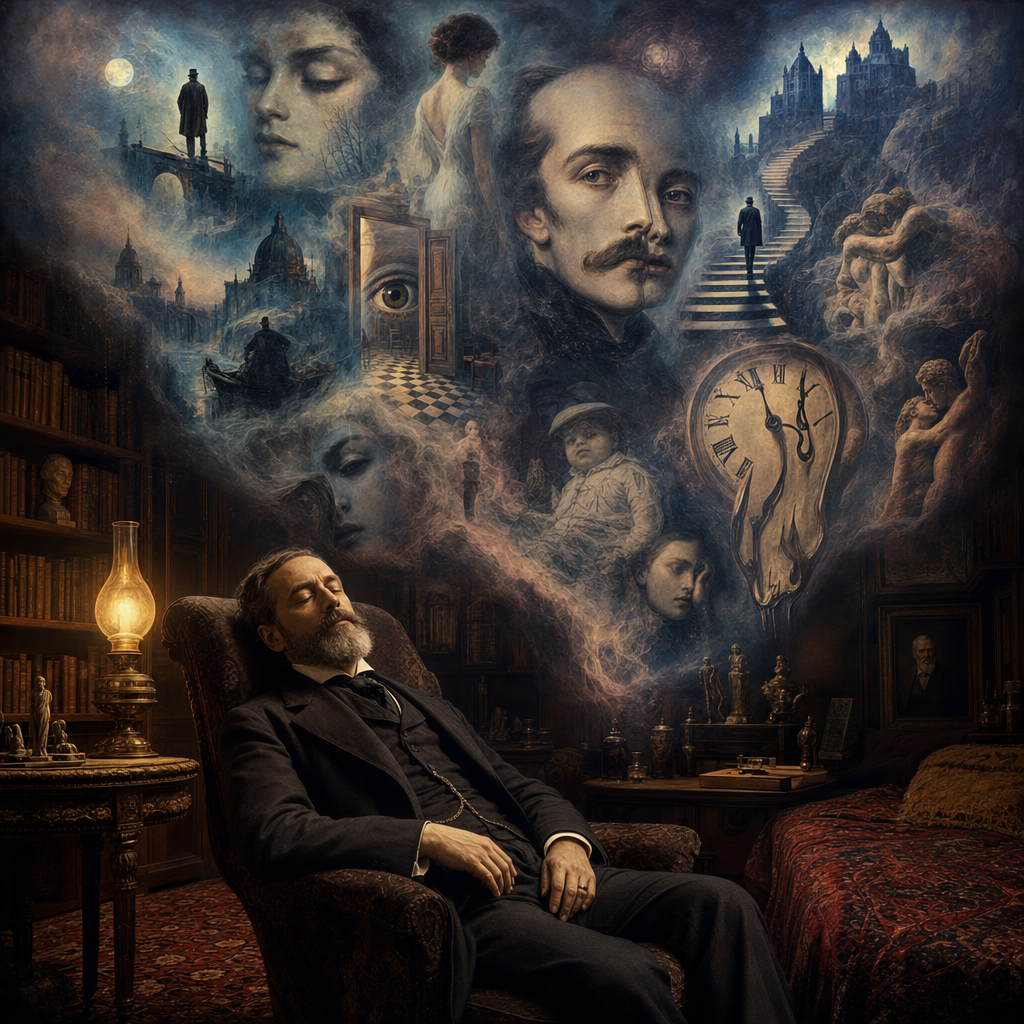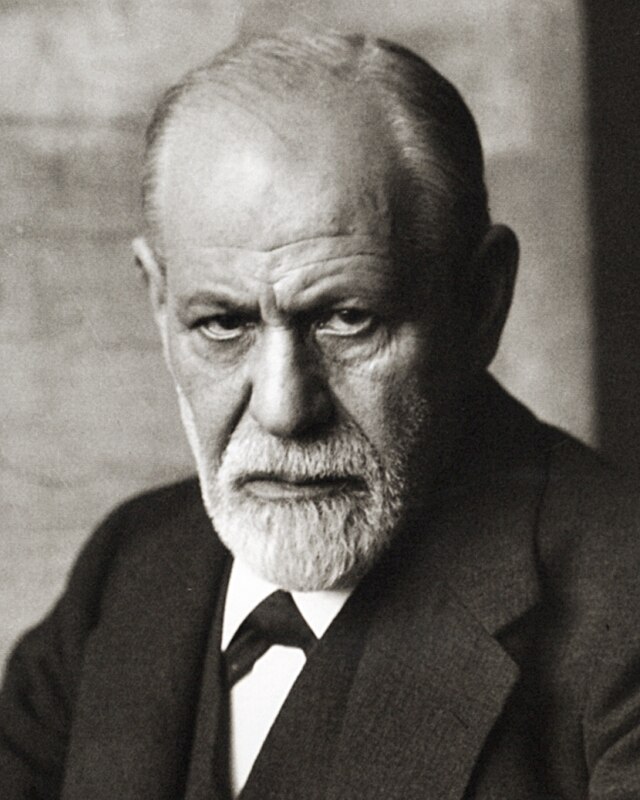
The Problem of Unpleasant Dreams
The most obvious challenge to the wish-fulfilment thesis is the prevalence of unpleasant, frightening, or apparently contrary dreams. If dreams fulfil wishes, why do people dream of failure, humiliation, or the death of loved ones? Freud meets this challenge by introducing the concept of the dream-censor: a psychic agency that evaluates wishes and suppresses those that would be morally intolerable to consciousness.
If I make the assertion that wish fulfilment is the meaning of every dream, that, accordingly, there can be no dreams except wish dreams, I am sure at the outset to meet with the most emphatic contradiction.
The Mechanism of Distortion
Distortion is the compromise between the censored wish pressing for expression and the censor blocking direct expression. The wish is not eliminated — it is deformed. What appears in the manifest dream content is the wish with its identifying features removed or replaced: its object displaced to a less threatening substitute, its emotional charge detached and relocated, its narrative sense scrambled by secondary revision.
The degree of distortion is proportional to the censor's strength. When the censor relaxes (in very tired dreamers, in fever, or under certain psychological conditions), the dream content becomes more transparent. The analyst's work is to reverse the distortion — to trace the manifest content back through the dream-work to the latent wishes that drove it.
The theory of the censor is developed in Chapter IV of The Interpretation of Dreams and later reformulated in terms of the ego, id, and superego in Freud's structural theory (The Ego and the Id, 1923).
Related Concepts