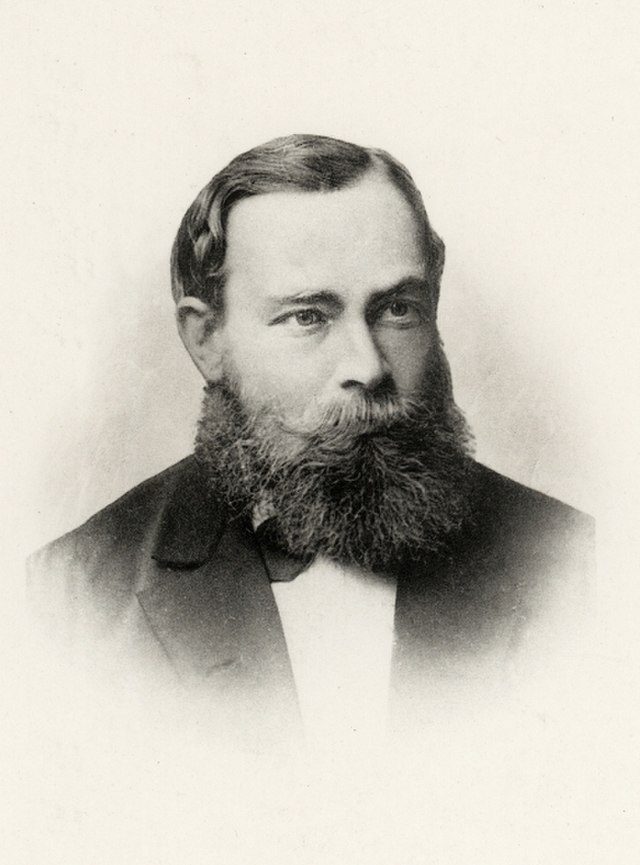
The Psychologistic Error
Psychologism holds that logical laws are descriptions of how human beings actually think, and that mathematical truths are truths about mental processes of counting and abstracting. Frege argues that this confuses the act of thinking with the content thought. The number four is not a mental process or a type of mental state; it is an objective, mind-independent entity. The laws of arithmetic are not psychological laws but logical laws governing objective relations among concepts.
The Objectivity of Logic
If logic were merely psychological, it would follow that what counts as valid inference might vary from person to person or culture to culture. But logic is the science of truth — it tells us not how we happen to think but how we must think if we are to think truly. Its laws are normative, not descriptive: they bind all rational beings, not merely human ones. To confuse psychological generalisation with logical law is to undermine the very possibility of objective knowledge.
Influence on Husserl
Frege's attack on psychologism was a significant influence on Husserl, who had defended a psychologistic account of arithmetic in his early Philosophy of Arithmetic (1891) — a work Frege reviewed harshly. Husserl later credited Frege's criticism as a turning point in his thinking, leading to his own anti-psychologistic account of intentionality and meaning in Logical Investigations (1900-01), the founding text of phenomenology.
Frege's critique of psychologism runs through Foundations of Arithmetic, the Preface to Grundgesetze (1893), and "The Thought" (1918). Husserl's acknowledgment of Frege's influence is in the Introduction to Logical Investigations.
Related Concepts