Forms Without Instances
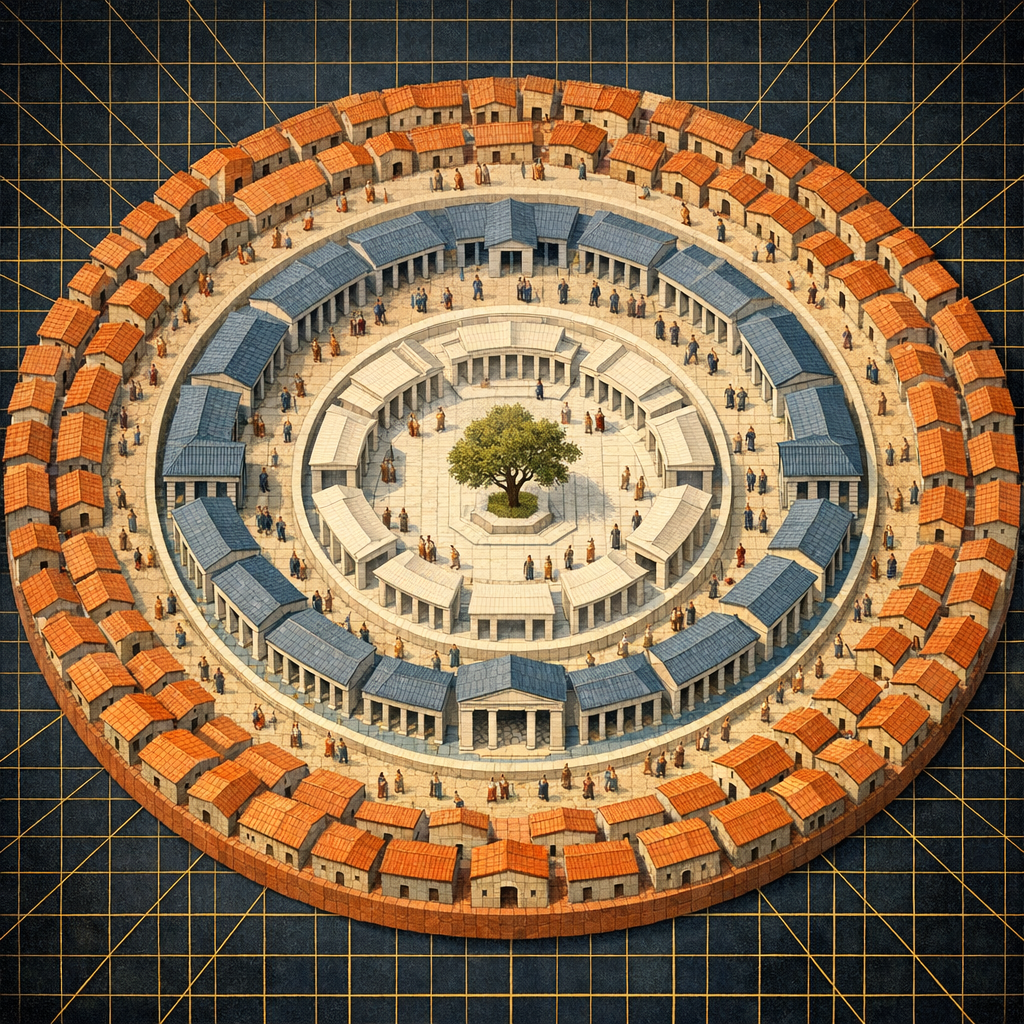
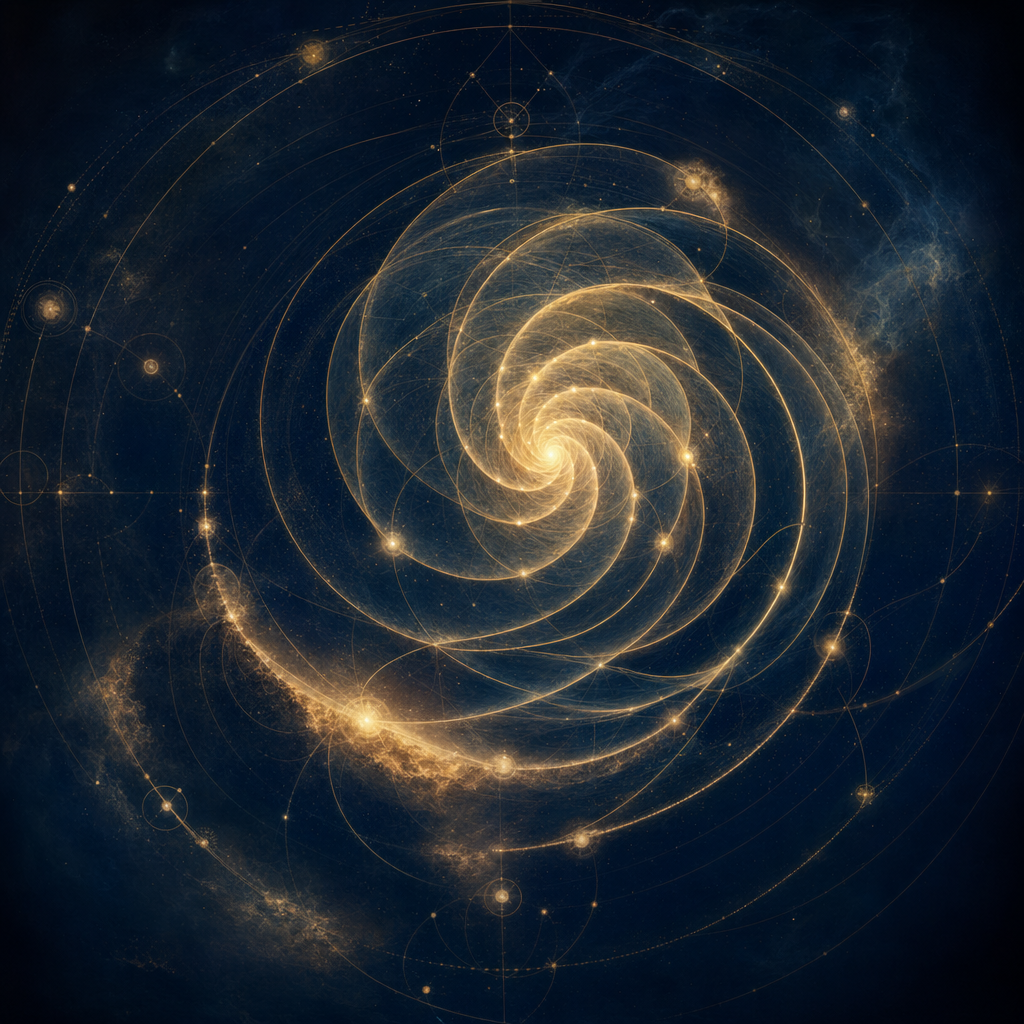
Eternal objects are Whitehead's version of Platonic forms, though he uses the term deliberately to avoid Plato's baggage. They are not in time, not created by any actual occasion, and not exhausted by their instances. The colour red is the same eternal object whether it ingresses into a sunset, a flag, or a drop of blood. The forms are infinite in number and ordered in a complex relational structure that God holds in view primordially, making them available for selection by becoming occasions.
Ingression as Selective Realisation
When an actual occasion achieves its concrescence, it selects from among the available eternal objects those that will characterise it — its specific colours, relations, intensities, and shapes. This selection is not arbitrary: the subjective aim of the occasion (received from God) orients it toward particular forms and away from others. Ingression is the event by which an abstract possibility becomes concretely real, embedded in the fabric of a determinate moment.
Relevance and Order
Not all eternal objects are equally relevant to every occasion. Relevance is structured: the kind of thing an occasion is determines which forms are available to it. This is what makes the universe ordered rather than chaotic — not because all possibilities are always available, but because the history of an occasion constrains and shapes which forms are genuinely live options for its becoming. Order is not imposed from outside but emerges from the internal logic of creative synthesis.
Eternal objects are introduced in Part I of Process and Reality and developed in "Abstraction" in Science and the Modern World. Whitehead's use of "ingression" deliberately echoes Plato's language of participation (methexis) while shifting the emphasis from static forms to the dynamic event of their becoming real.
Related Concepts