The Technologisation of Relation
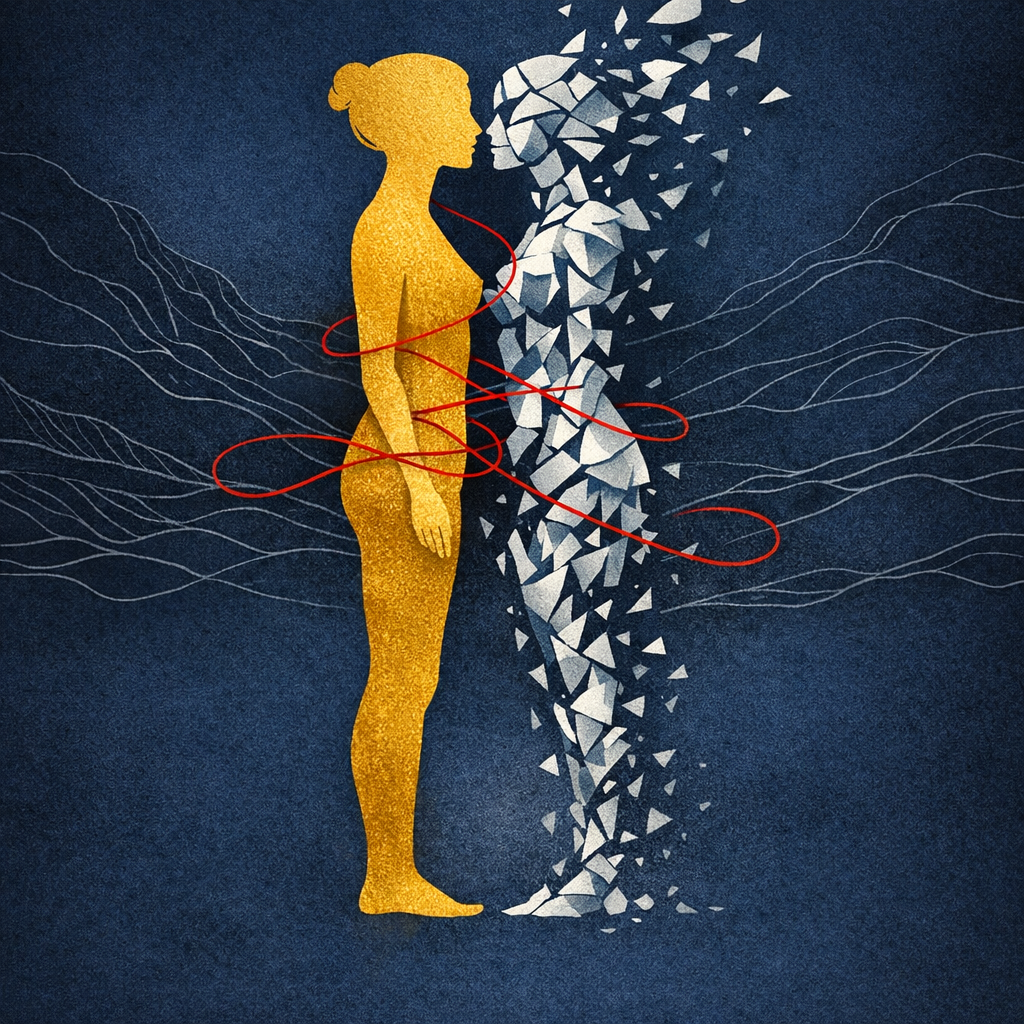
Modern technical civilisation tends to reduce all relations to I-It: to treat persons as functions, roles, instruments, and objects of analysis rather than as Thous to be met. The workplace, the bureaucracy, the media — all the characteristic institutions of modernity — are organised around I-It logic. The result is not evil but impoverishment: a world in which genuine encounter becomes structurally exceptional.
The Pseudo-Community
Modern mass movements and ideological communities offer a simulacrum of genuine meeting: the warmth of belonging, the feeling of solidarity, the suppression of isolation. But Buber argues that these collectives are I-It collectivities masquerading as I-Thou communities. They do not foster genuine meeting between persons; they dissolve individuality into the mass and thereby destroy the very precondition for genuine relation.
The Prophetic Demand
Buber drew on the Hebrew prophetic tradition to articulate a demand for social transformation. Just as the prophets called Israel back from idolatry to genuine relation with God and neighbour, so genuine human community requires the transformation of social structures that make I-Thou possible. This is not utopianism but a prophetic insistence that the present is not the only possibility.
Buber's social thought is developed in Paths in Utopia (1949), which advocates for a decentralised, community-based socialism rooted in genuine human relation rather than state centralisation.
Related Concepts