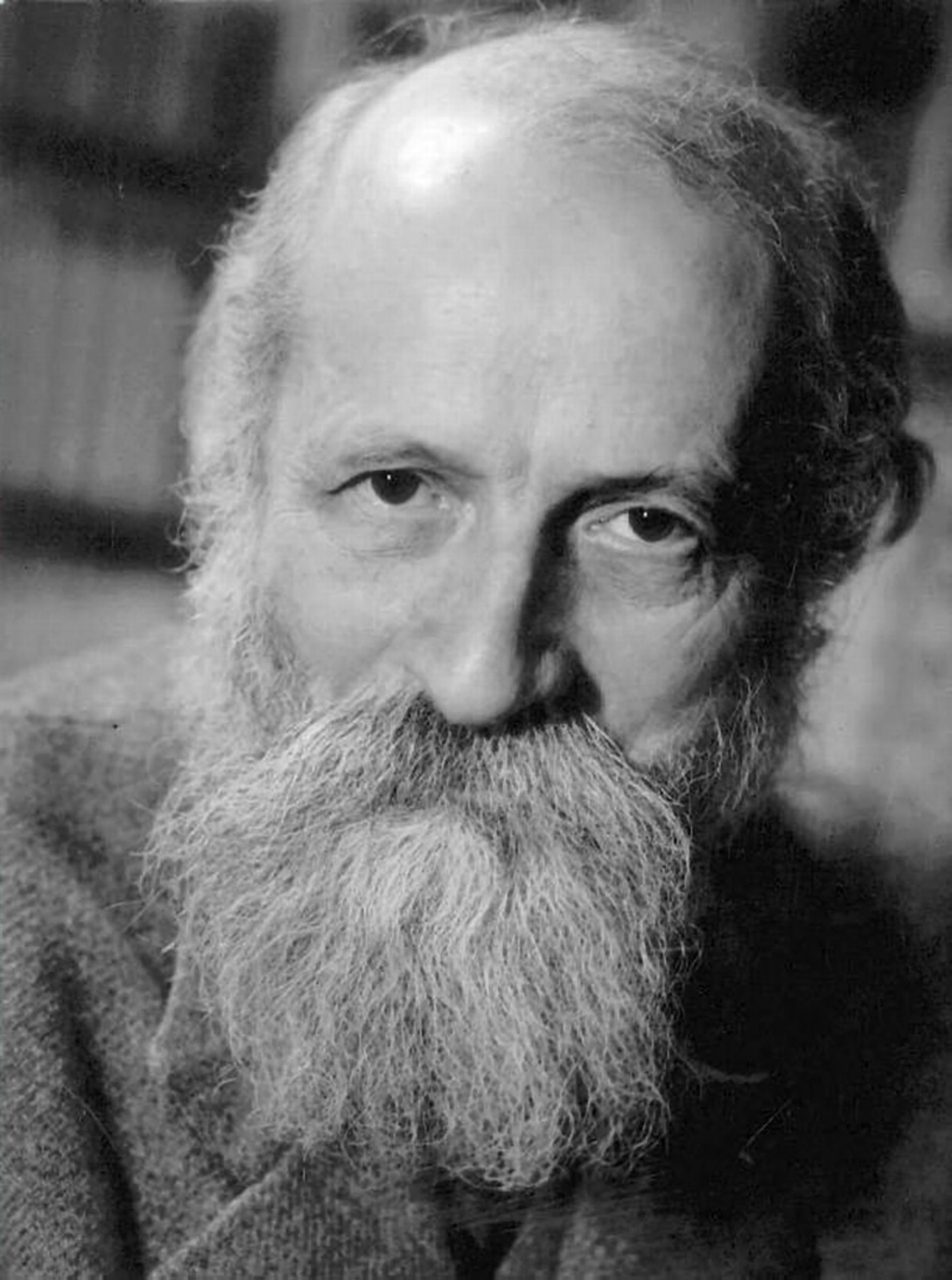
Against Cartesian Subjectivity
The philosophical tradition from Descartes onward has placed the isolated, thinking subject at the foundation of all knowledge and existence. Buber's dialogical philosophy is a direct challenge to this starting point: there is no prior I from which relations are subsequently formed. The I of I-Thou is qualitatively different from the I of I-It; both are formed in and through the basic words, not before them.
The Between
Buber introduces the concept of "the between" (das Zwischen) — the realm that exists neither in the I nor in the Thou but between them, in the event of genuine meeting. The between is not a metaphor but an ontological category: it is where meaning, reality, and selfhood actually reside. A philosophy that analyses only individuals misses the most important dimension of human existence.
Responsibility and Response
In the I-Thou relation, the Thou addresses me with a claim. The word "responsibility" points to this structure: I am responsible because I am capable of responding — of responding to the address of the other. Ethics, for Buber, is not primarily a matter of principles or calculations but of the quality of one's responsiveness to the particular address of the particular other in the particular moment.
The concept of the between is developed most fully in Between Man and Man (1947), a collection of essays that extends the dialogical philosophy of I and Thou to education, politics, and the history of philosophy.
Related Concepts