The State as Organised Violence
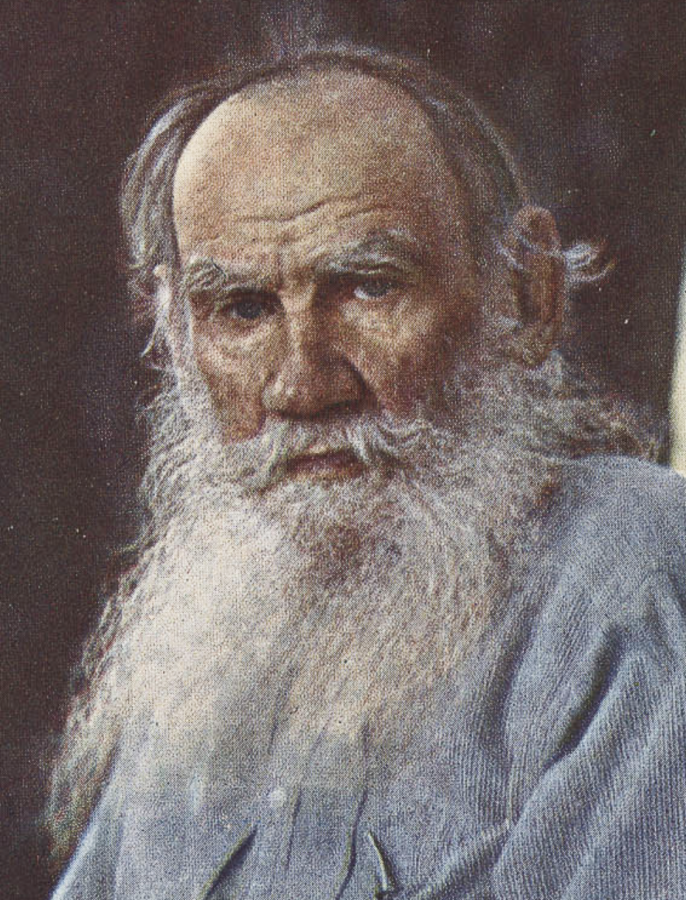
Tolstoy defines the state in Weberian terms before Weber: a body that claims a monopoly on legitimate violence within a territory. Courts, prisons, police, armies — all rest ultimately on the threat of force. This means that every citizen who participates in state institutions — who pays taxes, serves on juries, bears arms — participates in violence. And violence, Tolstoy insists, cannot be made Christian by calling it just or necessary. The existence of the state requires that some people must be willing to harm others on command, which is exactly what the Sermon on the Mount forbids.
Against Revolutionary Violence
Tolstoy is equally hostile to revolutionary violence. The socialist and anarchist movements of his day proposed to overthrow the existing state by force and replace it with a better one. For Tolstoy this is incoherent: violence used to establish a new order creates a new class of people habituated to coercion, who will use coercion to maintain their power just as the old class did. The revolution merely rotates the personnel while preserving the structure. The only genuine revolution is the one that begins with individual people refusing to participate in violence at all — refusing military service, refusing to work as police, refusing to enforce property claims by force.
The Free Association of Persons
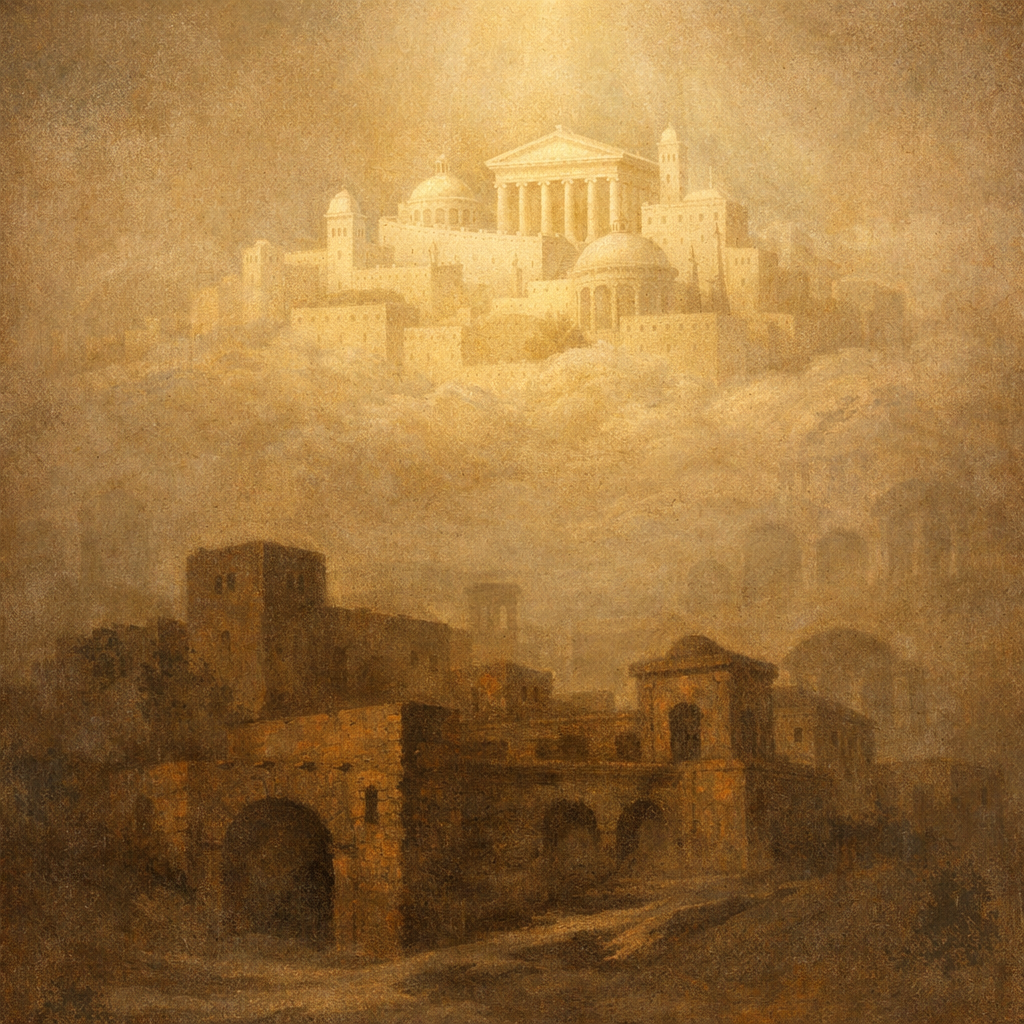
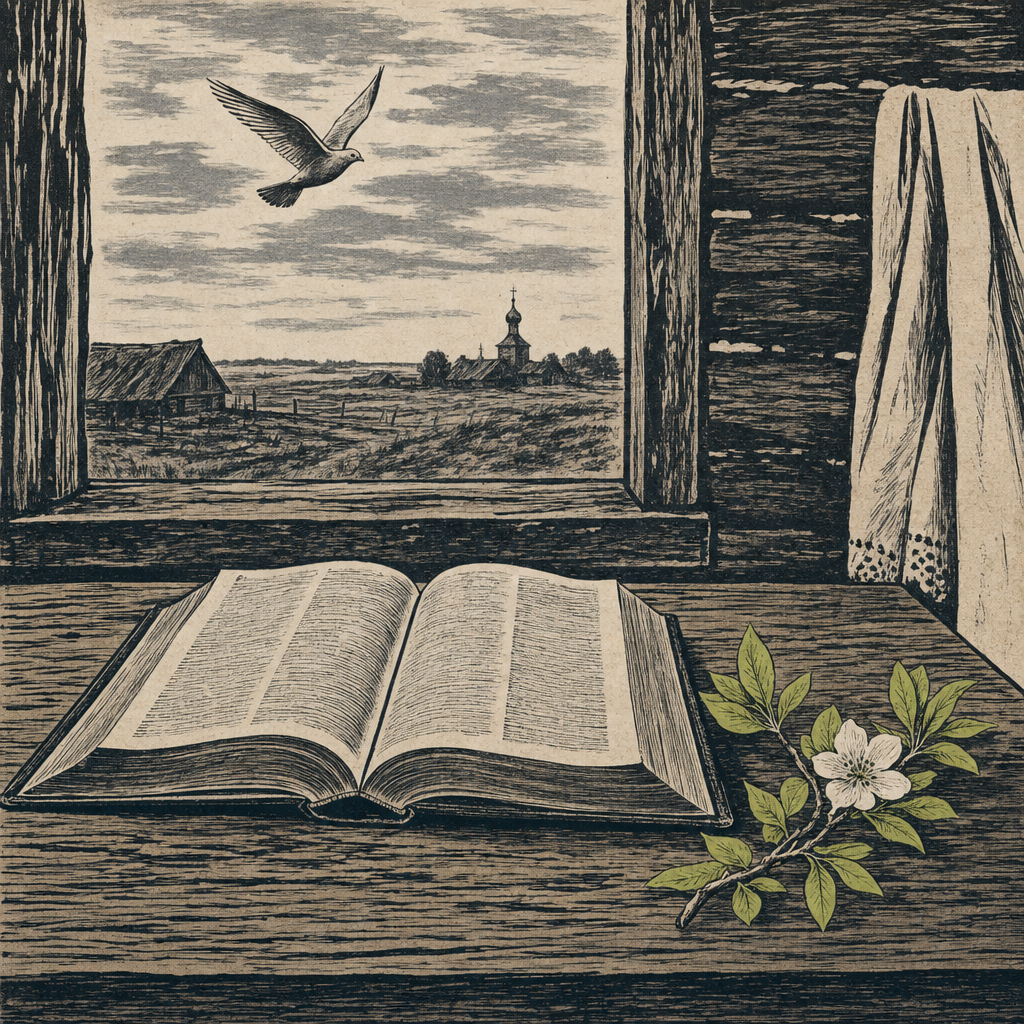
In place of the state, Tolstoy does not propose a detailed alternative system. His positive vision is more like a direction than a blueprint: people freely associating to meet their common needs, without coercion, guided by the law of love rather than by fear of punishment. He draws on the Russian peasant commune (mir) as an imperfect but suggestive example of voluntary cooperation without centralised authority. The Kingdom of God is within you — not in institutions, parliaments, or constitutions — and it arrives when individuals begin to live accordingly, one by one.
Tolstoy's anarchism was explicitly non-violent and distinguished from the socialist and nihilist anarchisms of Bakunin and Kropotkin, with whom he had significant correspondence. His influence on Gandhi, Dorothy Day, and the Christian anarchist tradition is well-documented; his influence on Wittgenstein (who read him intensively during the First World War) is less often noted.
Related Concepts