The Age of the Poets
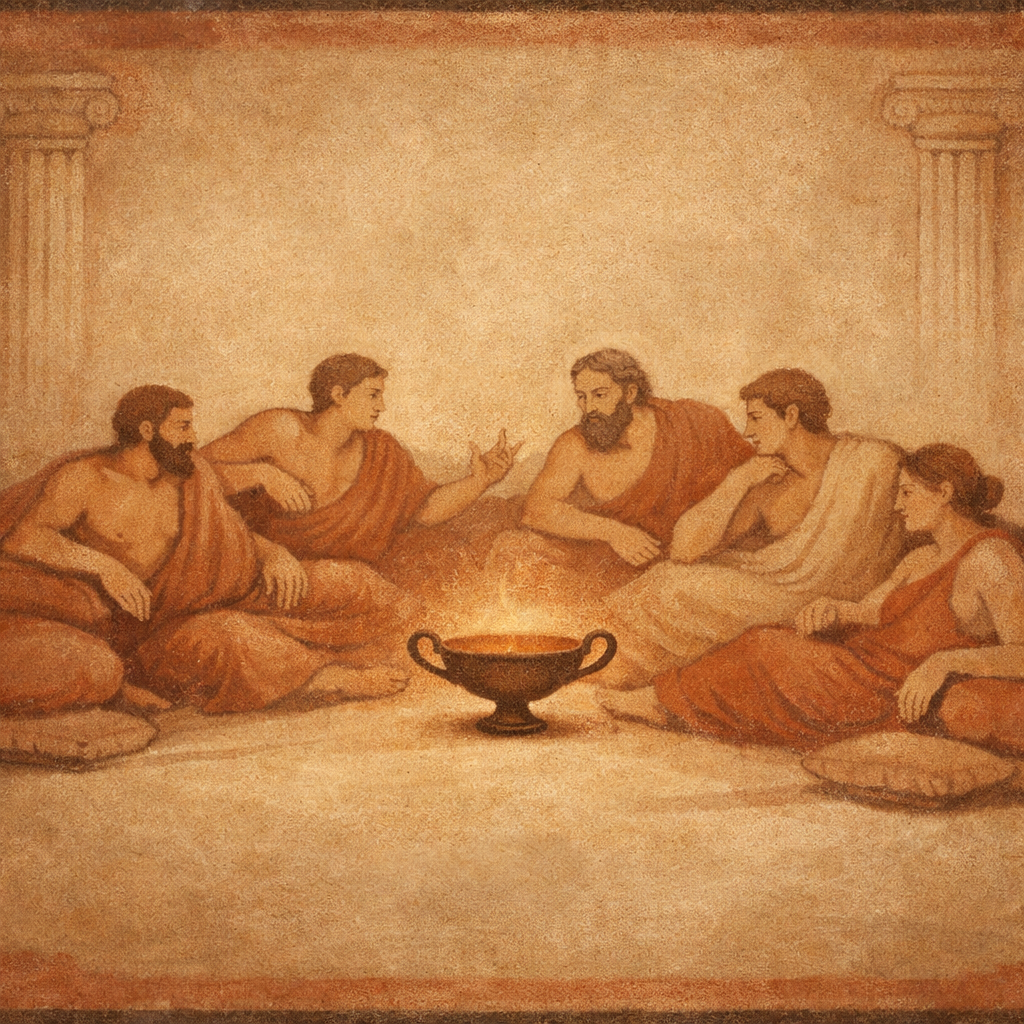
Badiou diagnoses the philosophical situation of the late twentieth century as an "age of the poets" — a period in which philosophy has sutured itself to art, and specifically to the language of poetic evocation. Heidegger's late philosophy, with its turn to Hölderlin, Rilke, and Trakl, and the work of Derrida, Gadamer, and Nancy that follows in his wake, exemplify this suturing: philosophy abdicates its own systematic task and takes refuge in the commentary on literary language, on the unsayable, on the mystical resonances of words. For Badiou, this is a failure of philosophical nerve — a retreat from the difficulty of thinking truth to the seductive ambiguity of poetic language. Against the age of the poets, Badiou proposes the age of mathematicians.
The Platonic Wager
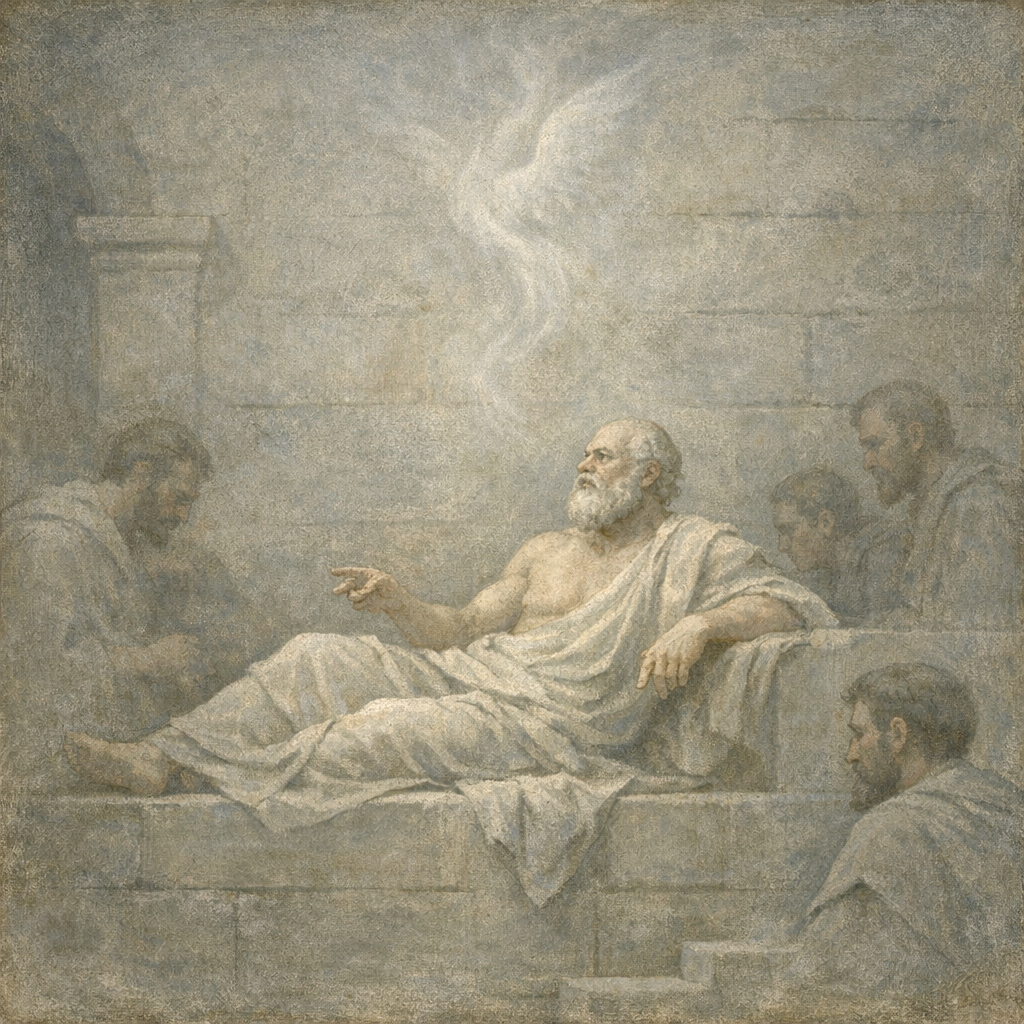
Badiou's philosophical orientation is explicitly Platonist — not in the sense of accepting Plato's theory of forms, but in the sense of maintaining Plato's fundamental wager: that there are truths, that they are eternal and unconditional, and that philosophy's task is to maintain the concept of Truth as a category distinct from opinion, power, and consensus. The "death of philosophy" announced by Nietzsche, Heidegger, and their successors is, for Badiou, not the end of philosophy but the latest episode in the perennial conflict between philosophy and its double — sophistry, which masquerades as wisdom while denying the existence of any standard by which wisdom could be distinguished from clever rhetoric.
Truth and the Universal
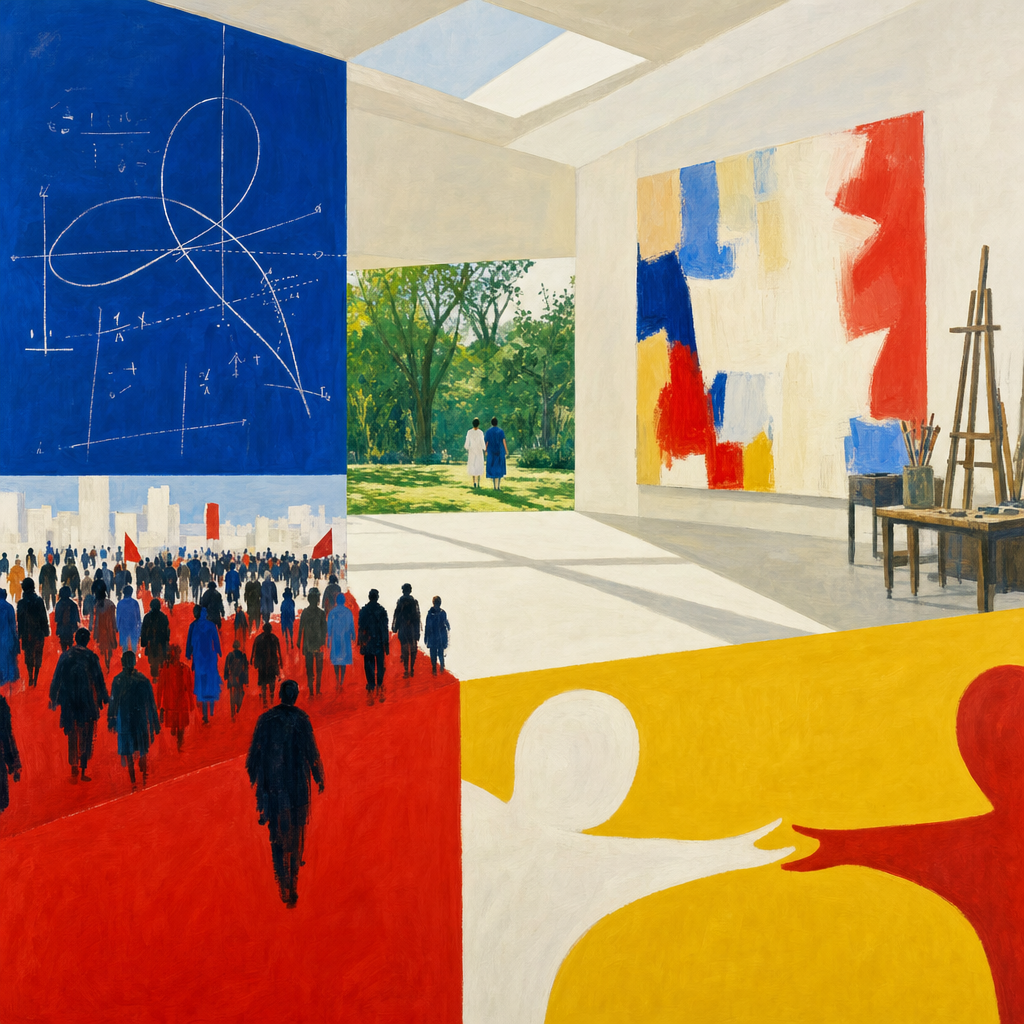
The unconditional character of truths means that they are universal: not relative to a culture, a language, a perspective, or a historical moment. Mathematical truths are valid for any rational being capable of following a proof; the truths of great art are available to anyone who submits to the work; the truths of emancipatory politics are truths about human capacity in general, not about this people or that culture. This universalism is not an imposition of Western categories on other cultures, as the cultural-difference theorists charge; it is the claim that genuine truths — unlike knowledge, which is always locally and historically situated — are the common inheritance of all humanity and the only real basis for human solidarity. Badiou's philosophy of truth is the most sustained philosophical defence of universalism in contemporary Continental thought.
The Manifesto for Philosophy (1989) is the most accessible entry point into Badiou's systematic thought. The Second Manifesto for Philosophy (2009) updates the argument in the light of the developments of Logics of Worlds (2006) and responds to critics of the first Manifesto.
Related Concepts