The Empire of the Interesting
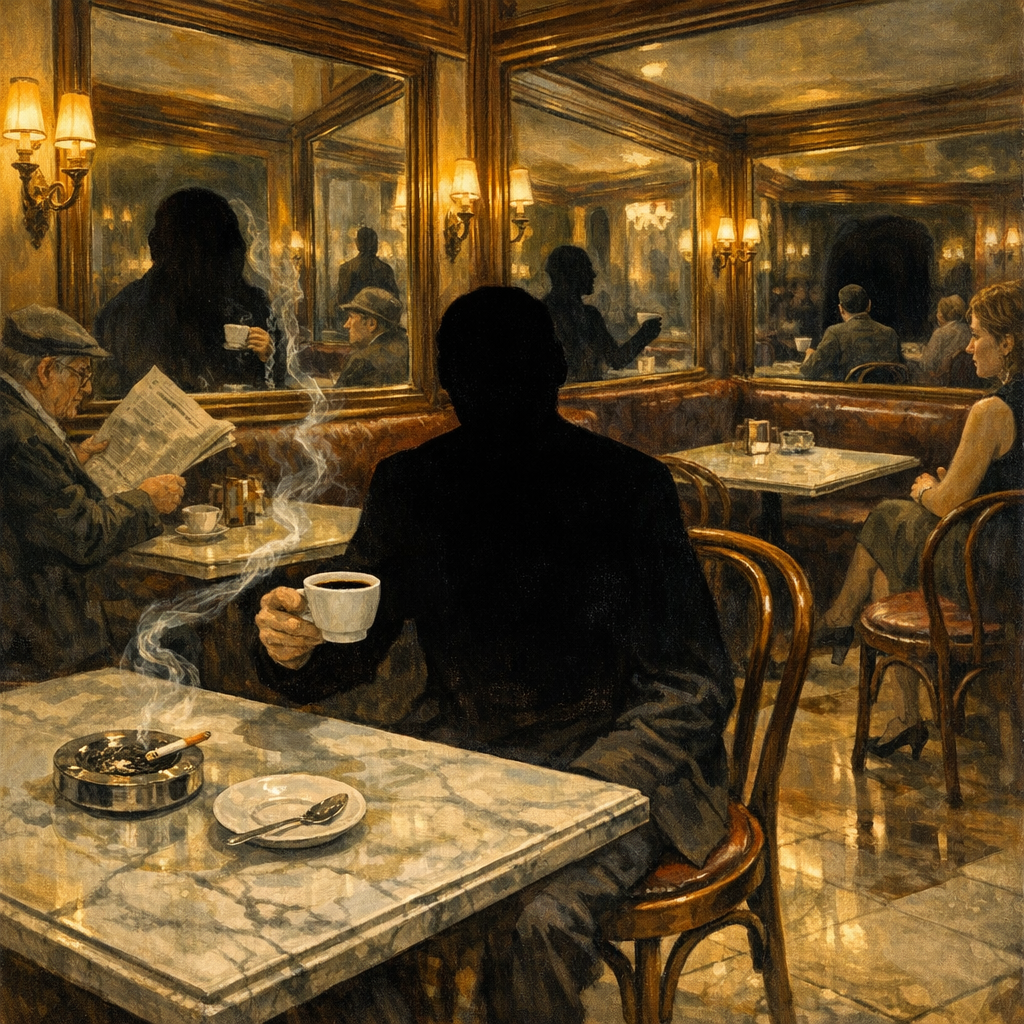
The aesthete's world is governed by one sovereign principle: the avoidance of boredom. Everything is evaluated by its power to hold interest, to generate sensation, to ward off the dreadful flatness of repetition. The aesthete is therefore constantly in motion — chasing new experiences, new conquests, new perspectives — because each one, once possessed, loses its power to stimulate. This restless movement is not freedom; it is a sophisticated form of bondage, a compulsion dressed as preference. The aesthete believes they are choosing, but it is always the next interesting thing that does the choosing.
The Seducer as Pure Aesthetic
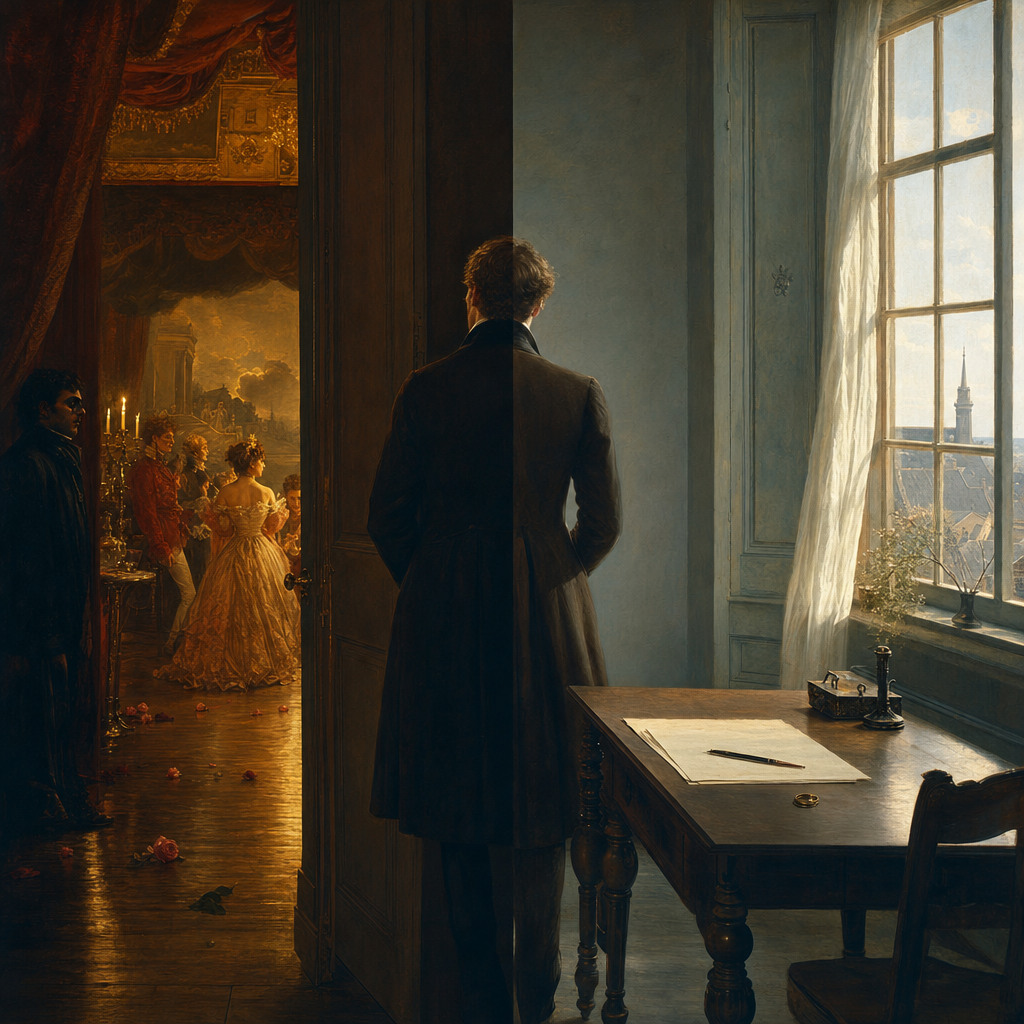
The Diary of a Seducer — the concluding document of the first volume of Either/Or — presents the aesthetic stage at its most developed and most self-aware. Johannes the Seducer does not seek love or connection; he seeks the experience of seduction itself, engineered with the precision of an artist. The woman he pursues is not a person to him but a medium through which a particular kind of aesthetic pleasure can be extracted. Once she yields, he loses interest: possession destroys the aesthetic value that pursuit created. The Diary is Kierkegaard's most disturbing portrait of what the aesthetic life looks like when it has fully possessed a human soul.
Despair Without Knowing It
The deeper Kierkegaardian diagnosis is that the aesthetic life is a form of despair — not felt as despair because the aesthete is constantly in motion, constantly stimulated, never pausing long enough to notice the emptiness at the centre. Judge William, in his ethical letters, insists that the aesthete's most fundamental experience is boredom — the anxiety that rises when stimulation fails — and that this boredom is the truth of the aesthetic life: a self that has not yet found anything worth being, perpetually running from the discovery of its own groundlessness.
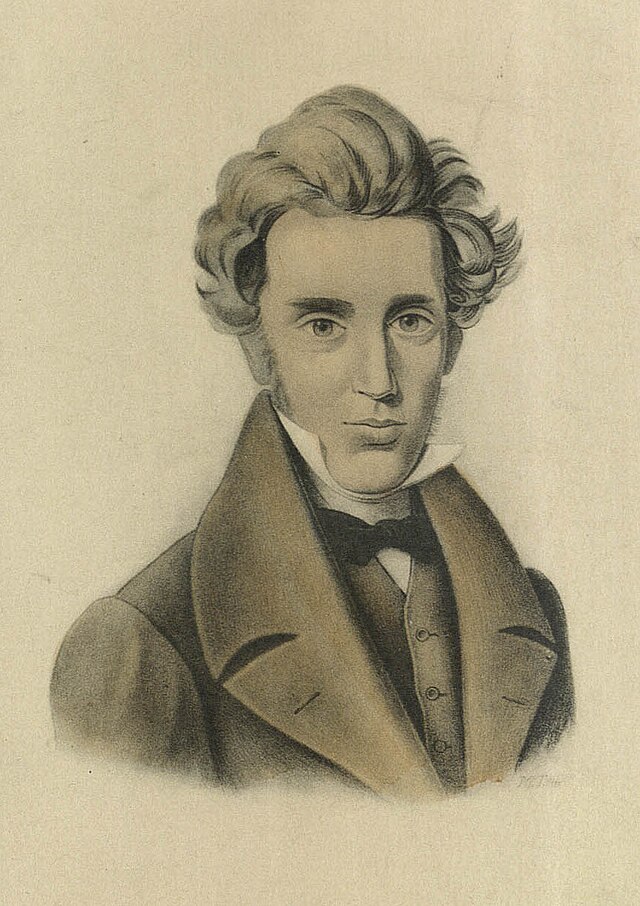
The aesthetic papers in Either/Or include essays on ancient tragedy, Don Giovanni, the rotation method (a technique for generating novelty), and the Seducer's Diary. Volume I was written pseudonymously by "A"; Volume II contains the ethical letters of "Judge William" (also a pseudonym).
Related Concepts