Laws as Expressions of Society
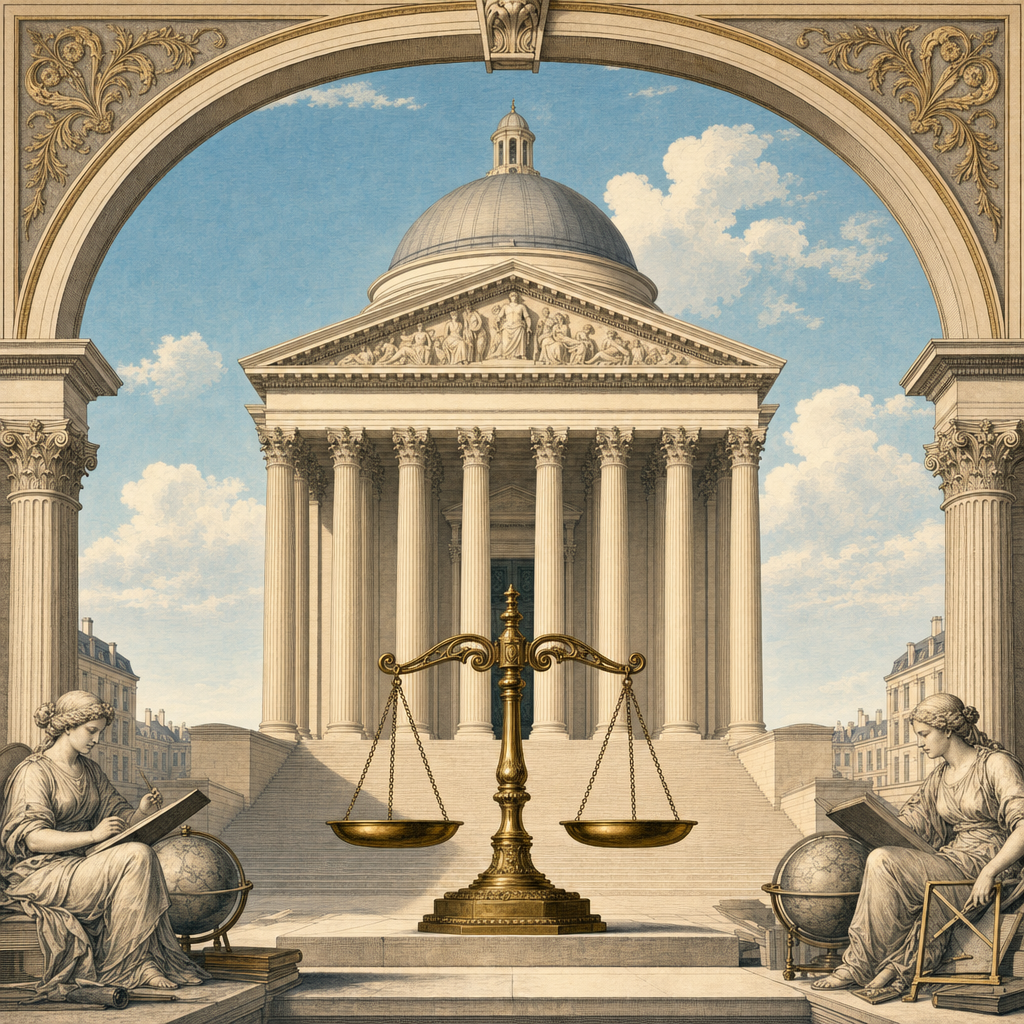
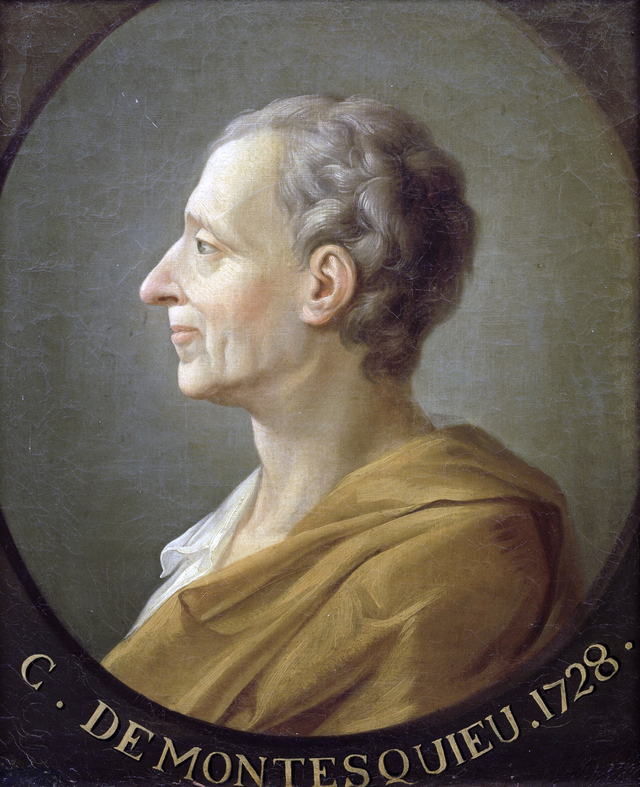
Montesquieu opens The Spirit of the Laws with the observation that laws "should be so appropriate to the people for whom they are made that it is very unlikely that the laws of one nation can suit another." This is not relativism — Montesquieu believes some laws are better than others — but contextualism: laws must be understood as parts of a larger social whole, shaped by and shaping the total form of life of a people. The legislator who ignores this context and imposes abstract rational principles will produce bad laws, however good the principles.
Three Forms of Government
Montesquieu's taxonomy of governments — republic, monarchy, and despotism — is organised not merely by who rules but by the principle that animates each form. Republics (whether democratic or aristocratic) are animated by virtue: the citizen's love of law and country. Monarchies are animated by honour: the nobleman's concern for rank and reputation, which motivates him to serve the state in exchange for recognition. Despotisms are animated by fear: the subject's terror of the despot, which alone secures obedience. These principles are not merely motivations but the constitutive logic of each form — the factor without which it cannot function.
Climate and Character
Among the environmental factors that shape laws, Montesquieu assigns special weight to climate. He argues that cold climates produce vigorous, liberty-loving peoples who require and can sustain republican or constitutional government, while hot climates produce peoples who are more passive and more suited to or prone to despotic rule. This argument — which modern readers find deeply problematic in its racial and geographical determinism — was one of Montesquieu's most influential and most contested claims, and it played a significant role in the development of both sociology and colonial ideology.
The "spirit of the laws" is announced in Book I, chapter 3 of The Spirit of the Laws (1748). The taxonomy of three governments with their animating principles occupies Books II–VIII.
Related Concepts