Freedom Requires Witnesses
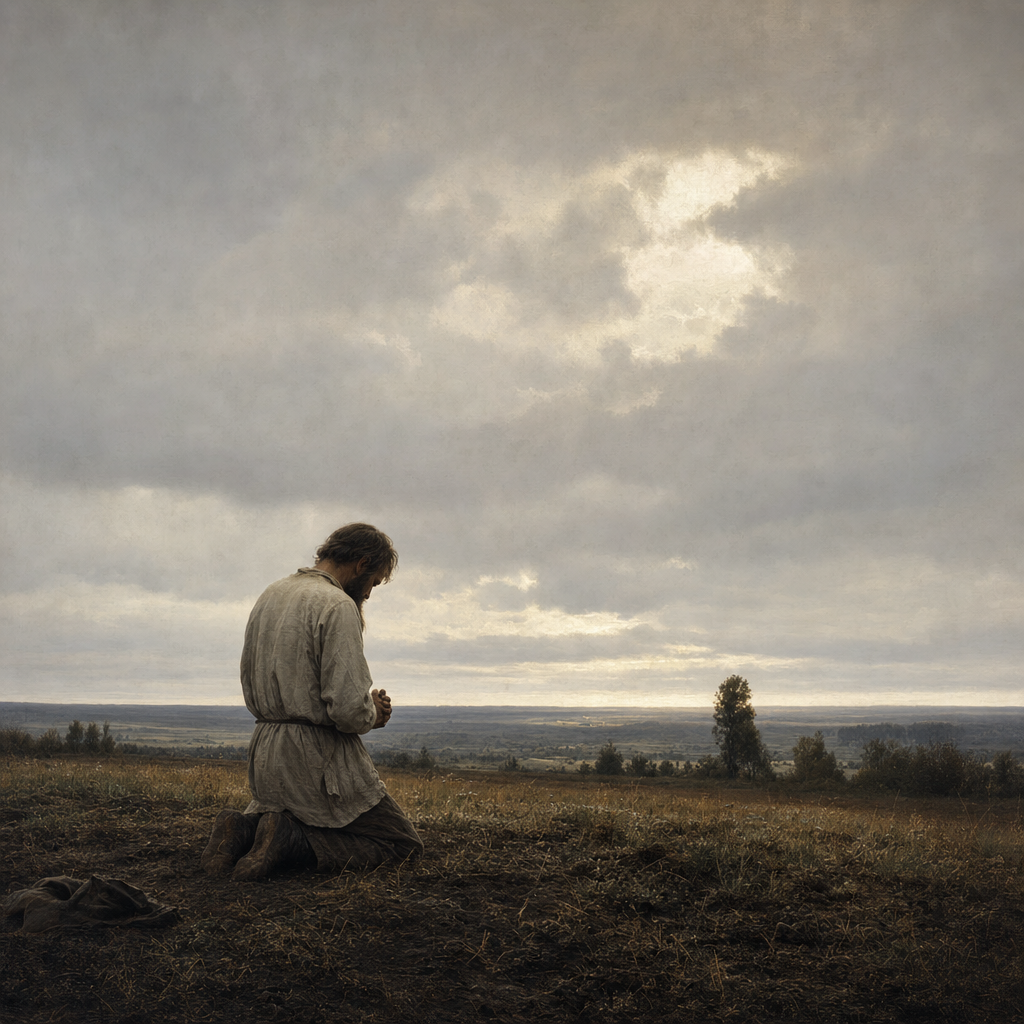
The actions of a person marooned on a desert island with no prospect of rescue have a peculiar hollowness: they can maintain a fire, build a shelter, keep a journal — but the journal has no reader, the fire no significance for any other human being, the shelter no future. Without an open world in which free agents can receive, respond to, challenge, or extend one's work, the project loses the resonance that makes it genuinely meaningful. Freedom requires freedom: not my freedom alone, but a world populated by other free agents whose responses will give my actions their actual shape in the world.
The Tyranny of the For-Others
Beauvoir is careful to distinguish the genuine need for others from the bad faith of living entirely for the gaze of others — seeking validation, approval, or recognition as the primary motive for action. The person who acts in order to be seen, who shapes her life around the image others have of her, has surrendered her freedom to the Other's judgment. Genuine freedom requires acting from one's own projects while accepting that those projects will be taken up, transformed, or rejected by others in ways one cannot control. The Other is necessary but not authoritative: her freedom matters, but it cannot determine mine.
Liberation as a Shared Project
The practical upshot is that liberation cannot be a purely individual achievement. To be genuinely free in a world where others are enslaved, domesticated, or colonised is to exercise a stunted and corrupted freedom — a freedom that has secured itself by acquiescing in the unfreedom of others. Beauvoir's ethical and political conclusion in Pyrrhus and Cinéas is the same as in the Ethics of Ambiguity: genuine commitment to one's own freedom requires commitment to the social and political conditions that make freedom possible for all. This is not an obligation imposed from outside but the internal logic of what it means to be genuinely free.
The analysis of the Other in Pyrrhus and Cinéas responds directly to Sartre's account in Being and Nothingness, in which the Other appears primarily as a threat to freedom (the look that objectifies) rather than as its condition. Beauvoir's correction — that the Other is necessary rather than merely threatening — is one of the founding moves of her independent philosophical position, developed further throughout her career.
Related Concepts