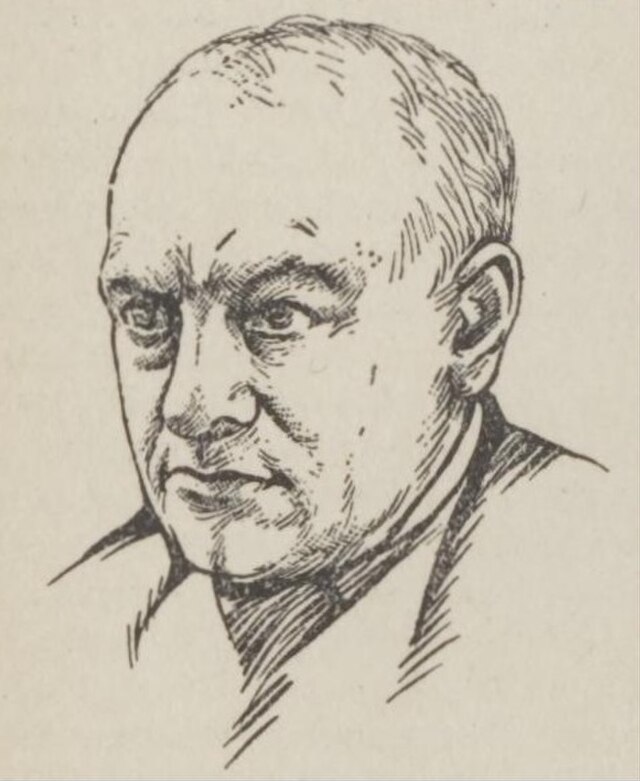
The Four Ranks
Scheler distinguishes four fundamental ranks of value. At the lowest level are sensory values: the agreeable and disagreeable, pleasure and pain. Above these are vital values: health, vigour, nobility — the flourishing of the living being. Above vital values are spiritual values: the beautiful and the ugly, the just and the unjust, truth and falsehood. At the highest level are the values of the holy and unholy — the values that pertain to Transcendence and constitute the domain of religion. Each rank is genuinely distinct and cannot be reduced to a higher or lower form.
Criteria of Height
How do we know which values are higher? Scheler offers several phenomenological criteria. Higher values are more durable — they outlast the sensory values that flicker and fade. They are less divisible — I can share a piece of cake but not a piece of truth or beauty. Their satisfaction is deeper — the pleasure of intellectual discovery or genuine love reaches further into the person than sensory gratification. They ground a stronger sense of obligation — the higher the value, the more it demands realisation regardless of cost. And their bearers are more independent — spiritual and holy values do not depend on material conditions for their existence.
Moral Value and Positive Value
Moral value — goodness and evil — is not a separate fifth rank but a function of the relationship between an act and the value hierarchy. A person is morally good when their ordo amoris — their order of love and preference — correctly tracks the objective hierarchy: when they prefer higher values to lower ones, when they love what is truly lovable in the order that its lovability demands. Moral evil is a disorder of love: preferring lower values to higher ones, mistaking the valuable for the worthless, or pursuing the agreeable at the expense of the holy.
The hierarchy of values is developed in Part II of Formalism in Ethics and in the essay "Ordo Amoris" (1914). Scheler's classification influenced Nicolai Hartmann's Ethics (1926) and the broader tradition of value ethics.
Related Concepts