Beyond Utilitarian Wickedness
Traditional evil is comprehensible: it is self-interested, motivated by greed, ambition, cruelty, or resentment. Radical evil, by contrast, is superfluous — it destroys human beings not because they are useful dead or dangerous alive, but simply to demonstrate that anything is possible when human individuality and spontaneity have been extinguished.
The Crime Against Humanity
The concentration camp system represents radical evil in its purest form. Its goal was not merely death but the methodical destruction of the human person before death: the elimination of individuality, spontaneity, dignity, and the capacity for moral response. The camps demonstrated that human nature itself could be changed — a discovery more disturbing than murder.
The Limits of Forgiveness and Punishment
Arendt insists that radical evil transcends the reach of both punishment and forgiveness. No punishment is commensurate with the destruction of the human person; no forgiveness can reach an act whose perpetrators did not act from the ordinary human motives that forgiveness addresses. This is why totalitarian crimes are genuinely novel: they have made monsters of human law.
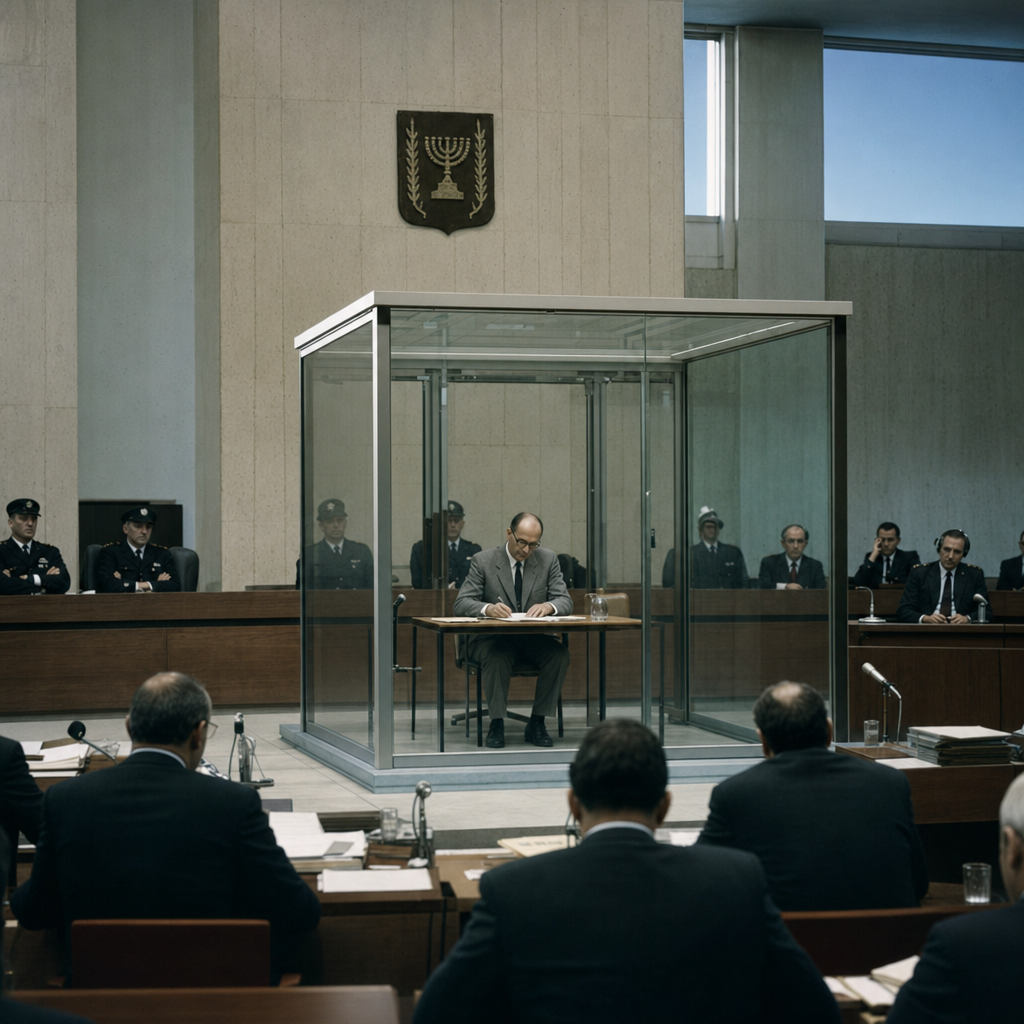
Arendt later revised her thinking about radical evil in Eichmann in Jerusalem (1963), where the concept of the "banality of evil" replaced it as her central formulation.
Related Concepts