The Fourfold
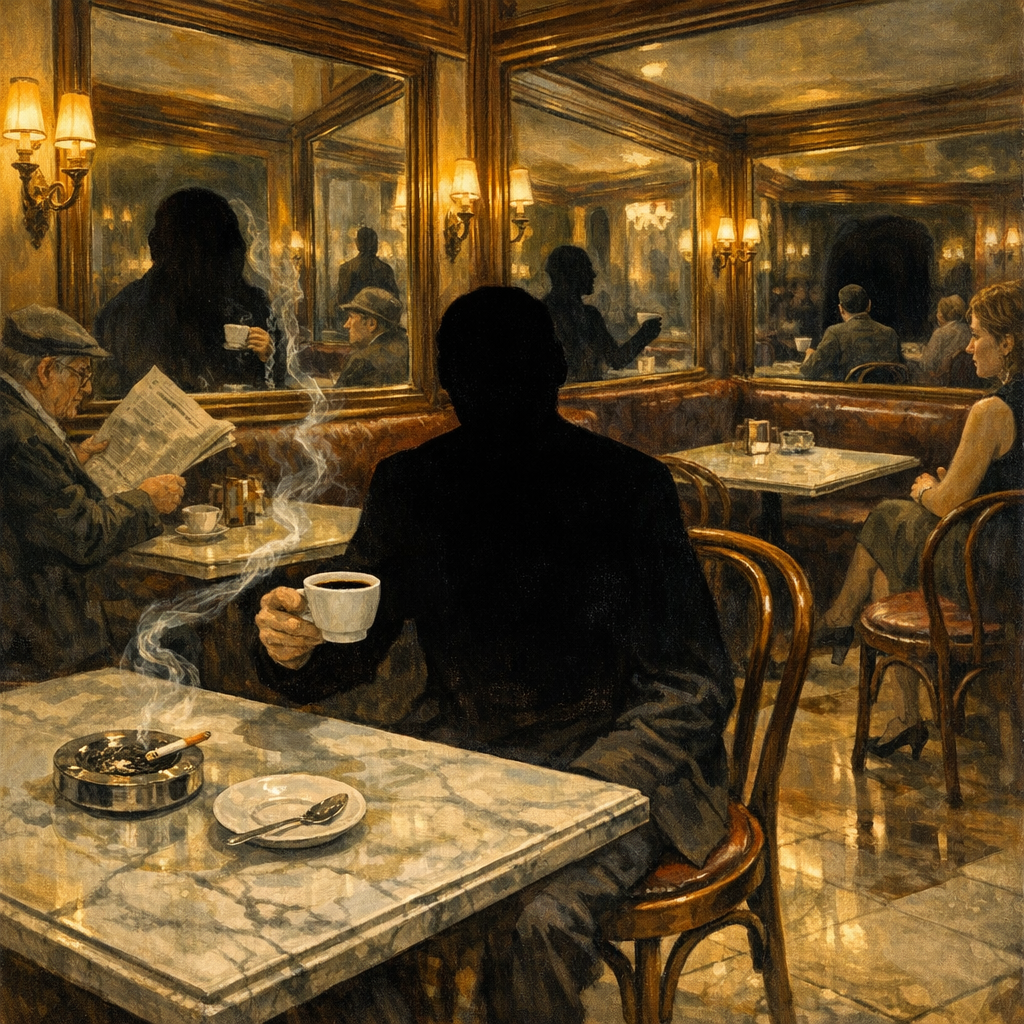
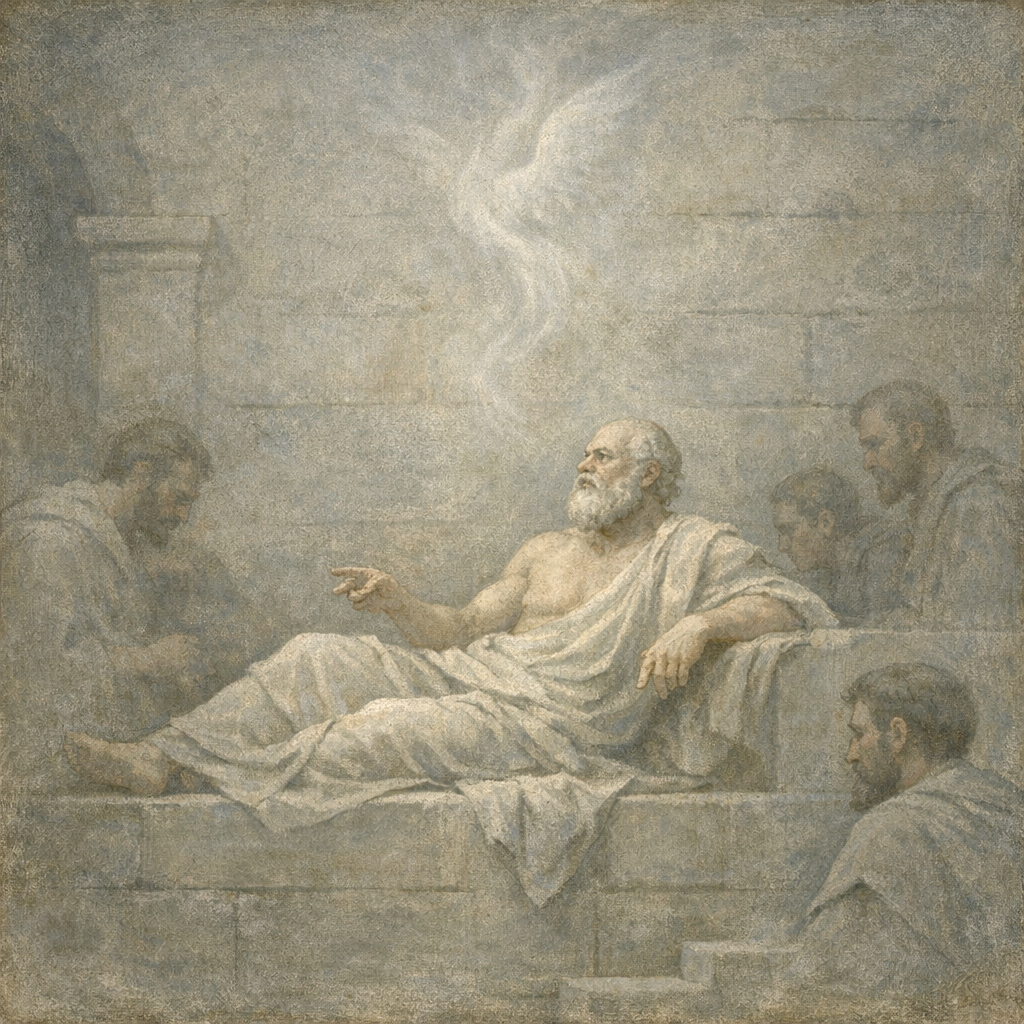
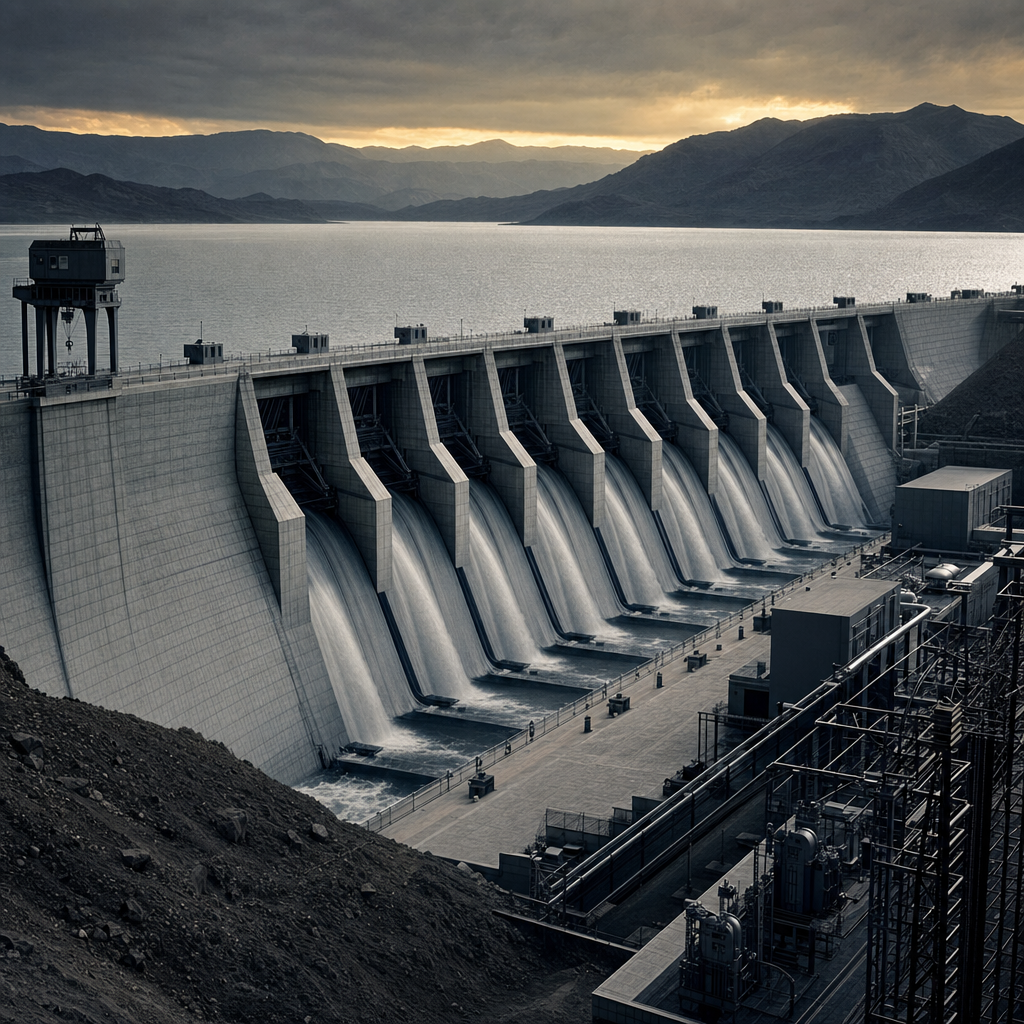
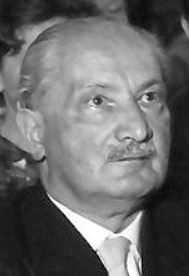
Heidegger's concept of the Geviert — the fourfold — names the four dimensions that belong together in genuine dwelling: earth (what bears and sustains), sky (the sun, seasons, weather, the measure of time), mortals (human beings who die, and who know they die), and divinities (the beckoning messengers of the holy, whether or not they appear). To dwell authentically is to preserve the gathering of these four — not as a religious practice but as a mode of being-in-the-world that resists the reduction of everything to standing-reserve available for technological exploitation.
Building and Dwelling
In "Building Dwelling Thinking", Heidegger argues that the modern crisis of housing — the post-war homelessness of millions — is not merely a logistical problem to be solved by building more structures. The real homelessness is existential: modern human beings do not know how to dwell because they do not understand what dwelling is. To build in the genuine sense is to build from and for dwelling — to bring forth spaces that gather the fourfold rather than merely enclose a volume. A bridge, Heidegger's example, does not impose itself on the landscape; it gathers the banks, the river, the sky, and the passage between them into a new presence.
Hölderlin and the Saving Measure
The Hölderlin line that Heidegger meditates — "...Poetically Man Dwells..." (from the poem "In Lovely Blueness") — names the only authentic mode of human existence available in the modern world: poetic dwelling. To dwell poetically is not to write poems but to live with the measure that poetry discloses — the measure given by the divinities, which reveals the distance between the human and the divine and thereby gives to human existence its proper dimension. In an age of Enframing, only the saving measure of poetry can restore to human beings the sense of what it is they have been deprived of.
"Building Dwelling Thinking" was delivered as a lecture in 1951 and published in Vorträge und Aufsätze (1954). "...Poetically Man Dwells..." was delivered in 1951 and published in the same collection. Both are reprinted in the English collection Poetry, Language, Thought (1971, translations by Albert Hofstadter). The concept of the fourfold (Geviert) has been influential in architecture theory and environmental philosophy.
Related Concepts