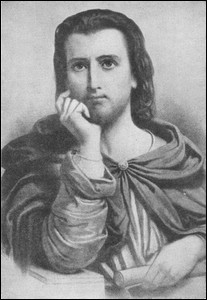
Acts Are Morally Neutral
To most ordinary moral thinking, what you do matters enormously. Abelard insists it does not — not directly. The act of crucifying Christ was performed by Roman soldiers carrying out orders and by Jewish authorities responding to what they perceived as blasphemy. If sin required knowledge of wrongdoing, those who acted in ignorance did not sin, even if the act was terrible. The moral quality of an action is not a property of the action itself but of the agent's state of mind in performing it.
The Decisive Role of Consent
Abelard draws a crucial distinction between desire, inclination, and consent. To feel desire is not to sin — even the most virtuous person feels appetites that reason opposes. To experience an inclination to do wrong is not to sin — the inclination is a feature of our fallen nature, not a moral choice. Sin consists in consenting: in knowingly acquiescing to what one's conscience identifies as wrong. The moment of consent is the moment of moral responsibility, and everything before it is morally irrelevant to the question of sin.
Universal Application
Abelard tests his principle against difficult cases. The judge who, following due process, condemns an innocent man he privately believes to be innocent is not acting wrongly — he is fulfilling his duty according to the law. Persecutors of Christians who genuinely believe they serve God are not sinning by their persecution, because they act according to conscience. These conclusions are uncomfortable, but Abelard presses them: the moral universe is structured by intention, not by outcomes, and consistency requires accepting the difficult implications.
Scito te Ipsum (also known as Ethica) was composed around 1138 and survives in fragmentary form. Its concentration on interior intention anticipates by centuries the deontological emphasis of Kant's Groundwork and the role of conscience in modern moral philosophy. Bernard of Clairvaux's objections focused partly on the implication that those who crucified Christ did not sin.
Related Concepts