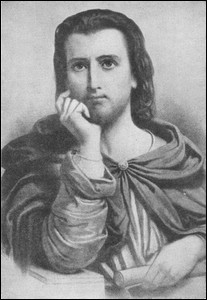
The Inner Tribunal
Abelard's moral psychology positions conscience as an interior judge that the external will either obeys or defies. Before any act is performed, conscience already holds a view about its permissibility; the moral question is whether the agent will comply with that view or override it. This makes every moral act a kind of inner courtroom drama, in which the soul is simultaneously the accused, the prosecutor, and the judge — and the only verdict that matters is the one rendered in the moment of consent.
Erroneous Conscience
The difficult case is the conscience that is genuinely mistaken. Abelard holds that acting against even an erroneous conscience is wrong, because to act against conscience is to consent to what one takes to be impermissible, and that structure of consent — regardless of whether the conscience is correct — is the structure of sin. This means a person who believes, wrongly but sincerely, that a certain act is required can perform it without sin. The Roman persecutors of Christians fall into this category in Abelard's analysis.
Formation and Responsibility
If erroneous conscience can excuse, does that remove all responsibility for moral error? Abelard is careful here. Conscience can be more or less well-formed, and we are responsible for forming it well — for learning what we ought to do, for not wilfully remaining ignorant of our obligations. The person who could easily have known better and chose not to is not wholly excused by their ignorance. Conscience is the standard of moral action, but the cultivation of conscience is itself a moral responsibility.
Abelard's emphasis on conscience anticipates the later medieval doctrine of synderesis (the soul's innate orientation toward good) developed by Philip the Chancellor and Bonaventure, and the mature doctrine of conscience in Aquinas (ST I-II q. 19). His position that acting against an erroneous conscience is always wrong remained influential.
Related Concepts