Who Is the Sceptic?
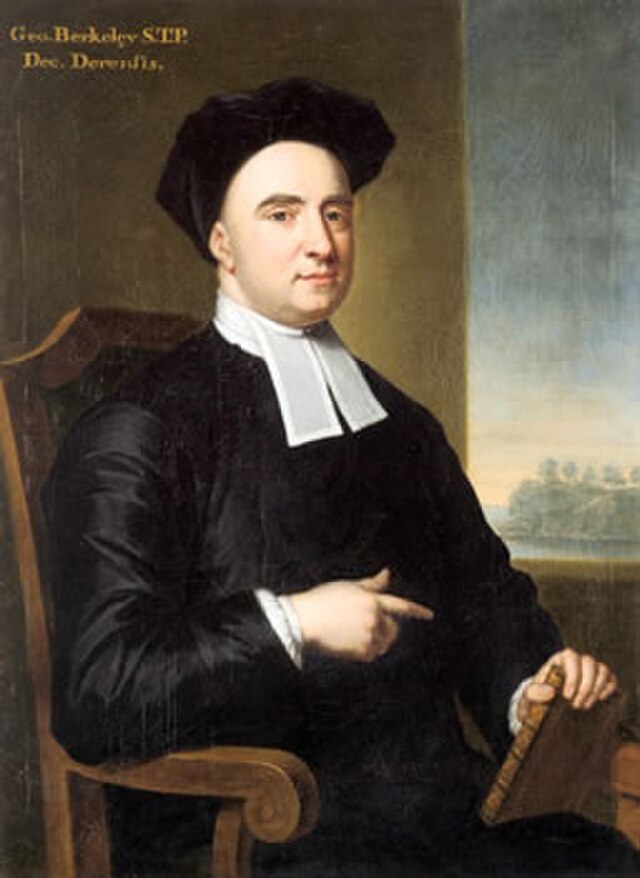
Philonous turns the charge around. The person who says real things lie forever behind our perceptions, never themselves perceived, is the one who empties the world of knowable content. Berkeley claims the title of common sense for himself: the tree we see and touch is the real tree, not a copy of an inaccessible original.
Back to the Vulgar
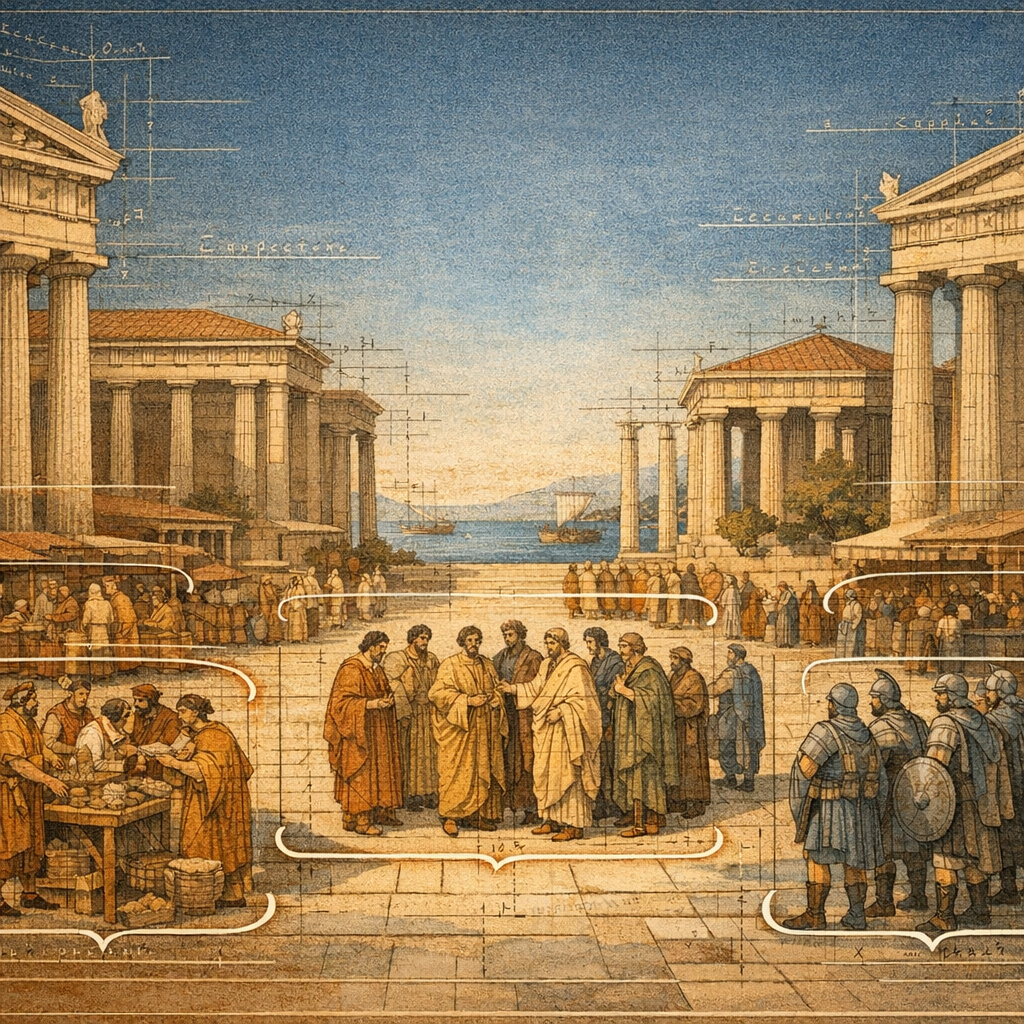
Philonous confesses he has abandoned the sublime notions of the schools for the plain opinions of ordinary people — and found his understanding strangely enlightened by the descent.
since this revolt from metaphysical notions to the plain dictates of nature and common sense, I find my understanding strangely enlightened
Two Senses of a Word
The reconciliation depends on distinguishing what the vulgar mean from what the philosophers add. The plain man believes the things he perceives really exist — and Berkeley agrees entirely. The philosopher believes, on top of this, that they exist absolutely, apart from all perception — and this addition alone Berkeley denies. Immaterialism keeps everything ordinary experience contains and discards only a metaphysical surplus that experience never delivered.
The defence of common sense recurs through all three Dialogues, most explicitly in the First and Third.
Related Concepts