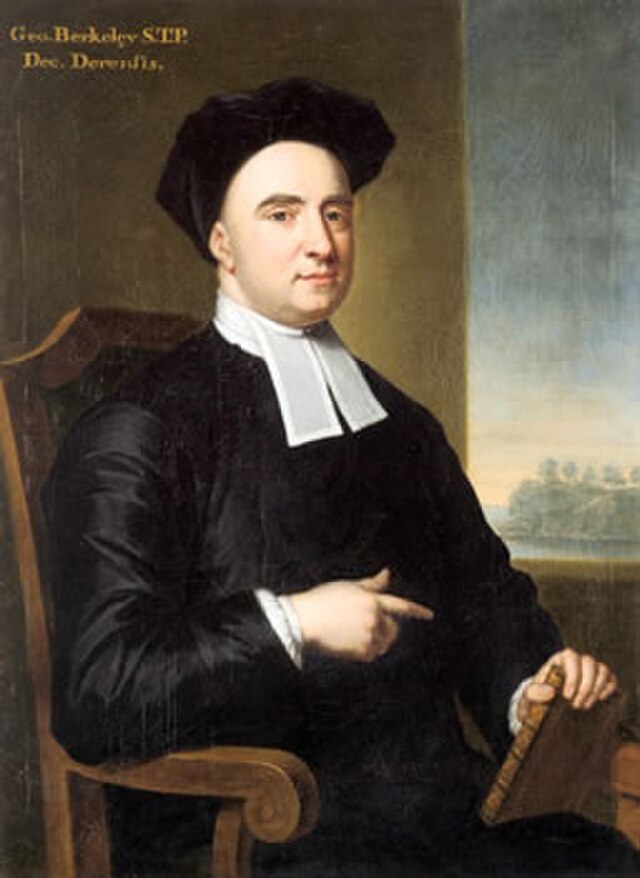
The Master Argument
Berkeley issues a challenge: try to conceive a sensible thing existing unconceived. But in the very act of imagining the tree in the solitary garden, you are conceiving it — so you have not imagined it existing unperceived at all. The being of a sensible thing cannot be separated, even in thought, from its being perceived.
that all the choir of heaven and furniture of the earth, in a word all those bodies which compose the mighty frame of the world, have not any subsistence without a mind, that their BEING (ESSE) is to be perceived or known
No Work Left for Matter
Even granting matter were possible, Berkeley argues it would be idle. It could not cause our ideas, since inert stuff cannot act on spirit; it could not resemble them, since an idea can be like nothing but another idea. Matter is a hypothesis that explains nothing and cannot be conceived — the philosophers themselves confess it is known neither by sense nor by reason.
Where Reality Comes From
The ideas of sense are not less real for being mental; they are more orderly, vivid, and coherent than the ideas of imagination because they are imprinted by another and more powerful spirit. Real things are precisely those ideas the Author of Nature excites in us according to steady rules. Reality is not lost with matter — it is relocated, from dead stuff to the will of God.
The arguments against material substance run through the first third of Of the Principles of Human Knowledge.
Related Concepts