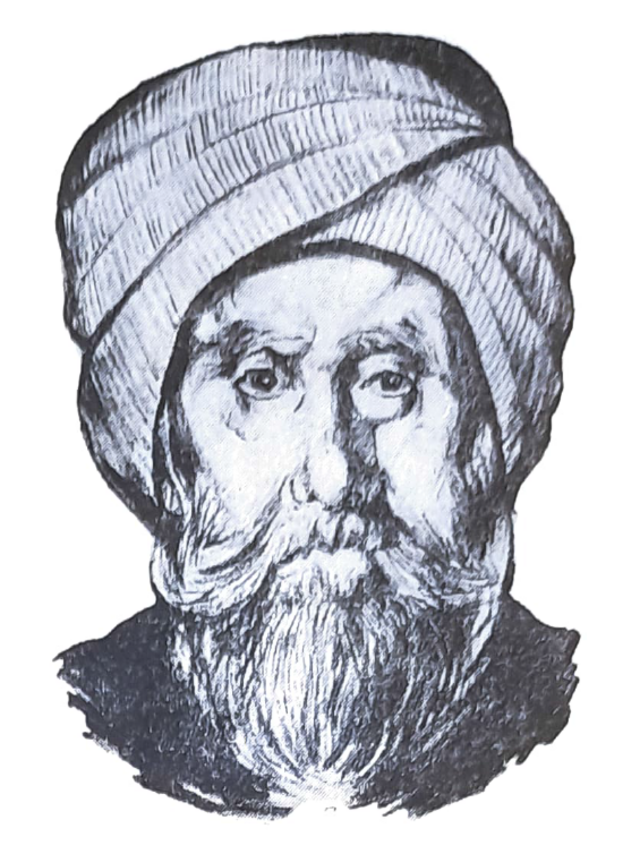
The Disease of Doubt
Al-Ghazali describes how, in his late thirties, he was seized by a sceptical crisis so severe that it became a kind of illness. The senses deceive us — the stick looks bent in water, the star looks small. Reason corrects the senses, but what corrects reason? The speculative faculty claims to correct reason, but what guarantees the speculative faculty itself? Each level of certainty-claim appears to rest on a higher level that is itself ungrounded.
Recovery Through Divine Light
Al-Ghazali's sceptical paralysis was not resolved by philosophical argument but by a "light that God cast into his heart" — a sudden restoration of confidence in basic rational and empirical faculties that he could not achieve by his own reasoning. This recovery is the pivot of the text: it suggests that the foundations of knowledge are not themselves knowable by reason but are gifts of divine grace.
The Epistemological Lesson
The lesson Al-Ghazali draws is not pyrrhonian but theological. Scepticism is the natural result of seeking certainty where it cannot be found — in sense or unaided reason. The only secure foundation is the prophetically revealed certainty that God grants to the heart. This is not the rejection of reason but its proper subordination: reason operates well within its domain but cannot validate its own foundations.
The sceptical crisis is described in the first section of Deliverance from Error. Scholars have compared it to Descartes's method of doubt, though Al-Ghazali's resolution is theological rather than rationalist.
Related Concepts