The Problem of Apparent Conflicts
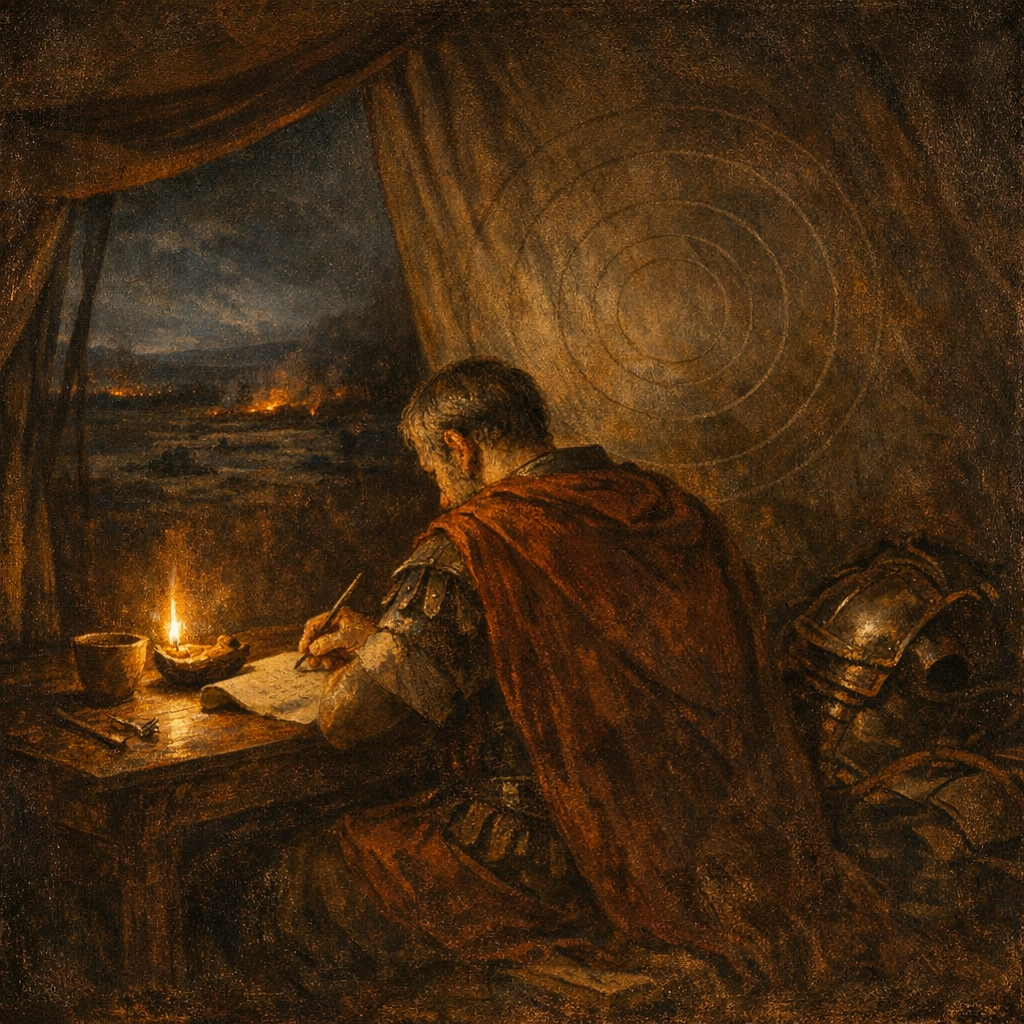
Cicero addresses a series of famous cases in which self-interest appears to demand dishonesty. Should a merchant selling grain in a famine-stricken city reveal that a cargo of grain is on its way that will drive down the price? Should a man selling a house reveal defects he knows about? Should a soldier desert from a lost cause to preserve his life? In each case, Cicero argues that the expedient reading — lie, conceal, flee — rests on a superficial understanding of self-interest. The merchant who conceals the ships damages the market of trust on which commerce depends; the house-seller who conceals defects faces later legal penalty and the destruction of his reputation; the deserter buys a few more years of life at the cost of the honour that makes life worth living.
The Rule of Full Disclosure
Cicero's principle for the resolution of such cases is a demanding one: not merely that we must not actively deceive, but that we must not conceal what the other party would want to know. Justice is not exhausted by keeping one's explicit promises and refraining from violence; it requires an active commitment to the other party's rational agency, which means not exploiting asymmetries of information that give one party an unfair advantage. This principle anticipates both modern contract law and contemporary debates about the ethics of disclosure in commercial and political life.
Cicero's Method
What is philosophically distinctive about Book III is Cicero's casuistical method: rather than simply asserting the principle that honesty and advantage coincide, he works through specific cases, acknowledging their complexity and the genuine force of self-interested reasoning before showing how the principle resolves them. This case-by-case approach — which Cicero explicitly prefers to abstract theorising — had an enormous influence on the casuistical tradition in medieval and early modern ethics, which used exactly this method to resolve difficult practical questions.
The cases discussed in Book III include famous examples from Roman and Greek history and law, and Cicero engages directly with Stoic philosophers who had taken different positions. The analysis of disclosure obligations anticipates Grotius's account of good faith in contracts in De Iure Belli ac Pacis (1625).
Related Concepts