The Fundamental Division
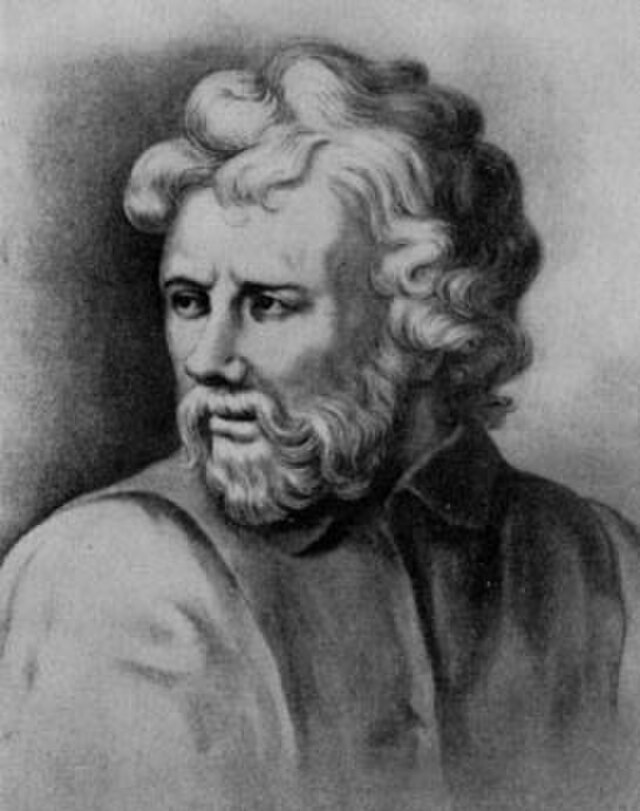
What is in our power, Epictetus teaches, is our own inner activity: opinion, desire, aversion, the movement of will toward or away from things. These are our acts in the deepest sense — not what happens to us, but how we respond. What is not in our power is everything external: the body itself, reputation, office, the opinions of other people, wealth, health, death. We do not own these things; we only temporarily hold them on loan.
Of things some are in our power, and others are not. In our power are opinion, movement towards a thing, desire, aversion, turning from a thing; and in a word, whatever are our acts. Not in our power are the body, property, reputation, offices (magisterial power), and in a word, whatever are not our own acts.
The Two Errors
The great error of most human lives, Epictetus argues, is misclassification: treating what is not ours as if it were, and treating what is ours as if it were fragile or negotiable. When we pursue external goods as though they were our own — when we need them in order to be well — we become enslaved to everything outside us. The slave who mistakes the master's approval for his own good has not merely lost his physical freedom; he has surrendered his soul.
The correction is not indifference to externals — Epictetus does not say stop caring about your body, your family, your work — but a different relationship to them: pursue them as preferred indifferents, desire them without needing them. The Stoic acts fully in the world while holding all external results lightly, knowing that his own inner disposition is the only thing truly at stake.
Why the Distinction Liberates
The dichotomy is not pessimism or withdrawal. It is the structural condition of freedom. Once you see clearly what is and is not yours, no one can deprive you of what matters. Tyrants, illness, poverty, exile — none of these touch the inner faculty that judges and wills. This is not a consolation prize for those who have lost; it is the only good that was ever fully real. The things we spend our lives chasing were never ours to keep.
The dichotomy of control is introduced at the opening of the Enchiridion (Chapter 4 here) and pervades the whole of the Discourses. Marcus Aurelius and Seneca develop related arguments; Epictetus gives it its sharpest formulation.
Related Concepts