The Two Horns
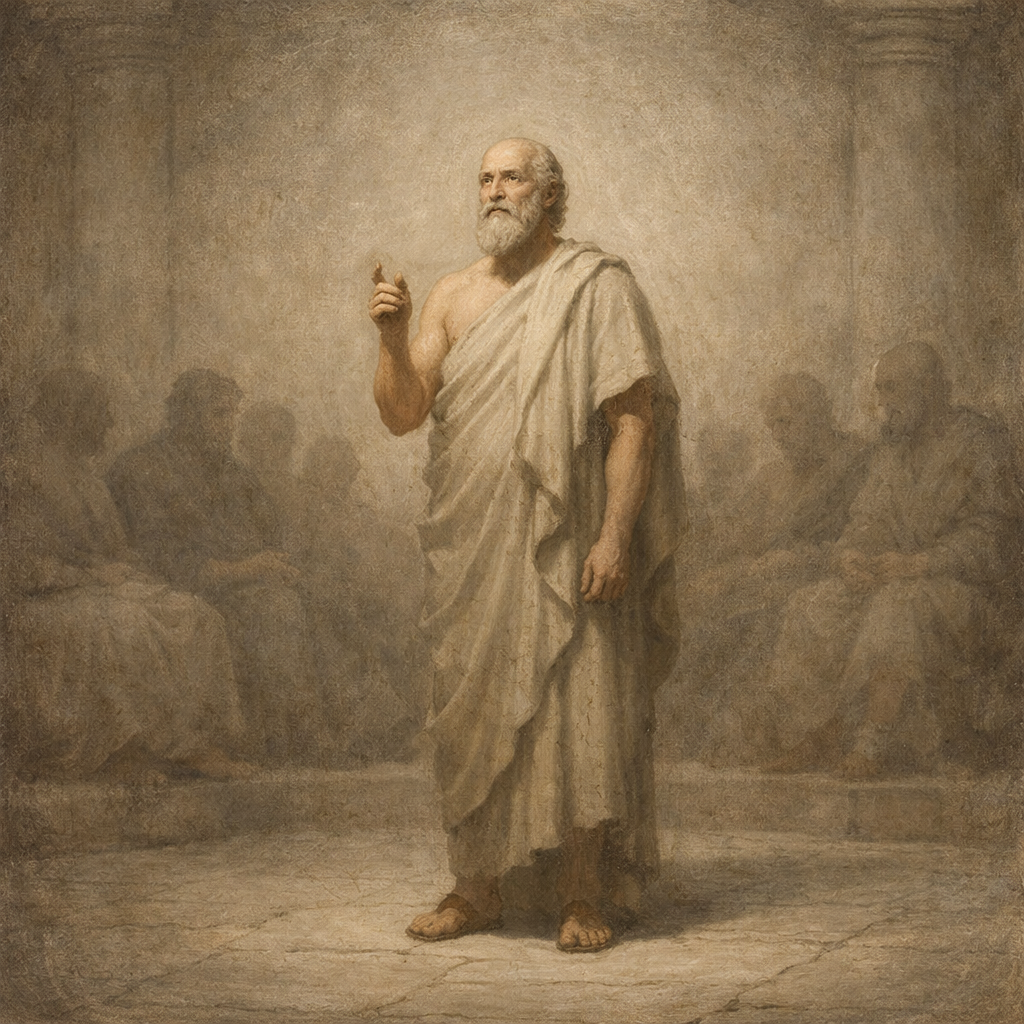
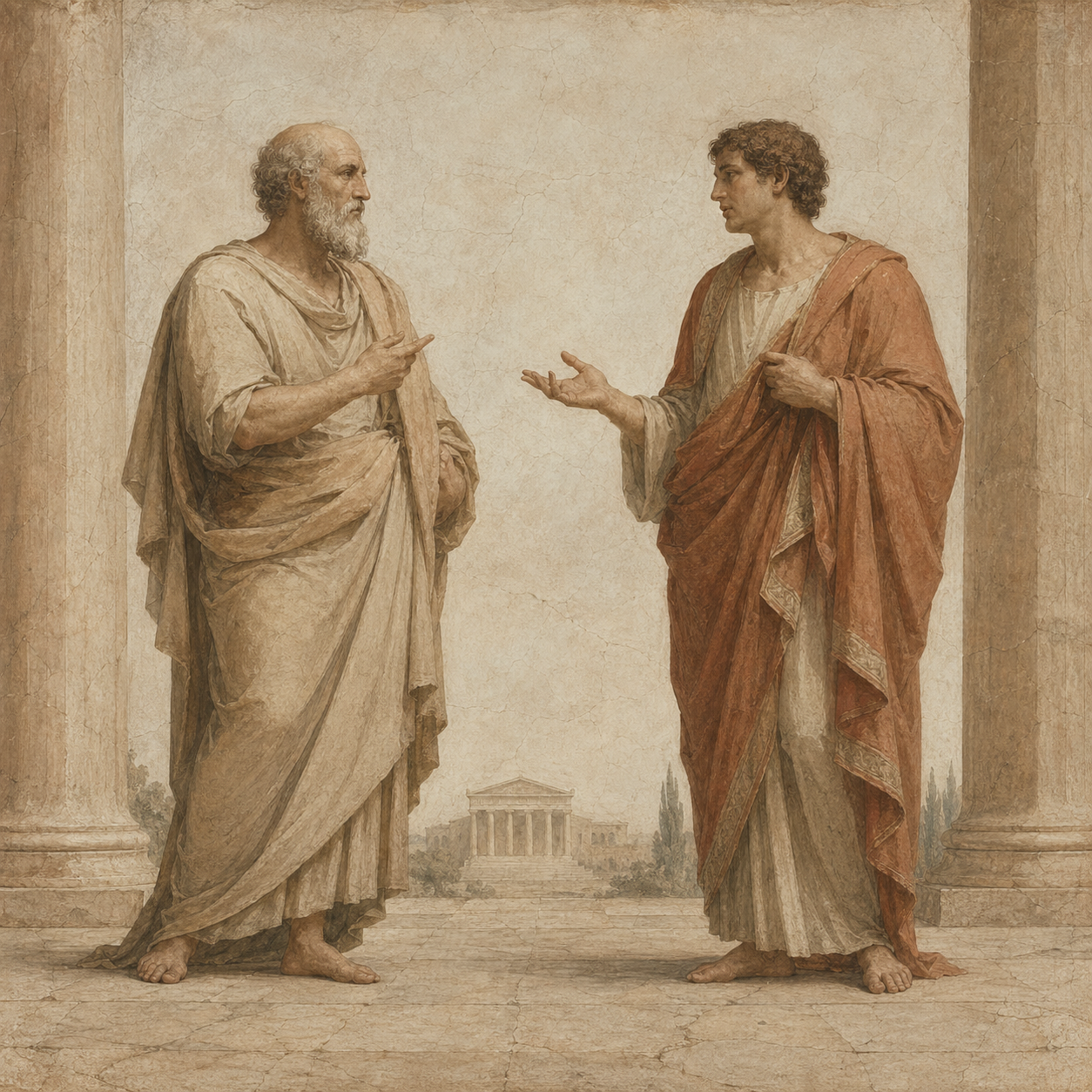
When Euthyphro proposes that the pious is whatever the gods love, Socrates springs the trap. Either the gods love the pious because it is already pious — in which case piety has a nature independent of divine approval, and we need to find out what that nature is — or the pious is pious simply because the gods love it, in which case morality is the arbitrary product of divine will and could have been otherwise. Euthyphro, like most people confronted with this choice, wants both: he wants morality to be grounded in God and to be genuinely good. The dilemma shows these two desires are in tension.
The Theological Stakes
If we take the first horn — the gods love the pious because it is pious — then goodness is independent of God, and God becomes a moral authority not because he creates goodness but because he recognises it correctly. This is theologically uncomfortable: it seems to make goodness something prior to and independent of the divine. The divine command theorist takes the second horn: goodness is just whatever God commands. But then God's commands are not good for any reason beyond the fact that they are commanded — and it becomes impossible to say that God is good in any meaningful sense.
What the Dilemma Assumes
The dilemma's power depends on a distinction that Euthyphro himself fails to make — the distinction between a cause and a criterion. Aquinas and many later theologians argue for a third option: God does not create goodness arbitrarily, nor does he recognise a goodness independent of himself; rather, God's nature simply is goodness, and his commands express that nature necessarily. Whether this response successfully escapes the dilemma is debated; critics argue it either reintroduces independence (God's nature constrains him) or reduces to voluntarism (God's nature could have been otherwise).
Beyond Theology
The dilemma is not only of theological interest. Its structure recurs in metaethics whenever we ask whether moral facts are grounded in some authority's will or in something independent of any will. Versions of the dilemma apply to positivist legal theory (is law just because it is enacted, or must law meet independent moral standards?), to social contract theory (do we have moral obligations because we have agreed to them, or do we have a prior obligation to keep agreements?), and to any account of normativity that grounds it in a commanding authority.
The dilemma appears at Euthyphro 10a. It has been influential in analytic philosophy of religion, where it is standardly treated as a challenge to divine command metaethics. The major responses — natural law theory, divine simplicity, Kierkegaard's teleological suspension of the ethical — each represent a different way of navigating between the two horns.
Related Concepts