The Ideal
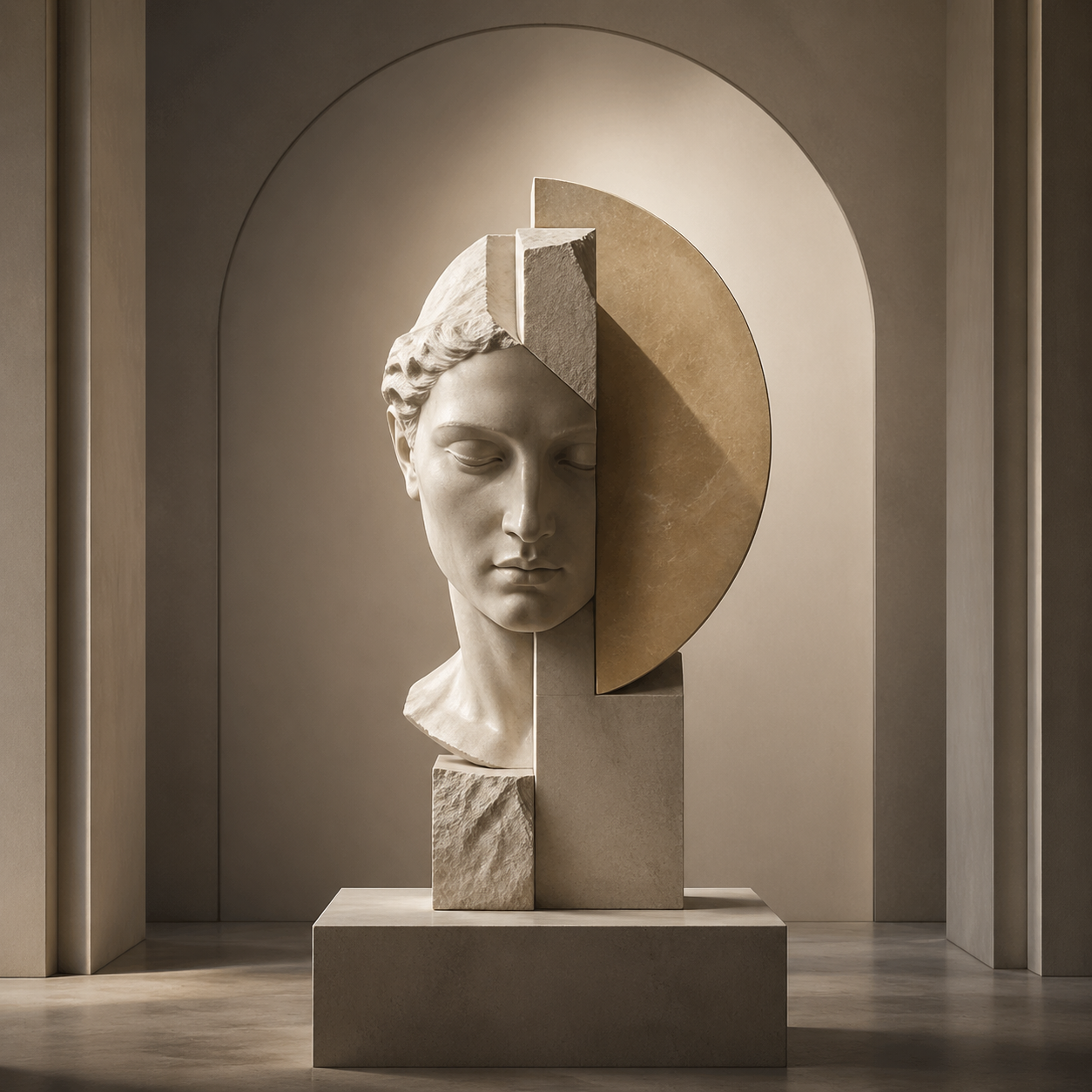
Hegel distinguishes natural beauty from artistic beauty, arguing that artistic beauty is higher because it is produced by spirit for spirit. The Ideal — Hegel's term for the perfection of artistic beauty — is achieved when a sensuous form perfectly embodies a spiritual content. The human body is the supreme natural vehicle for this embodiment, because the body is the natural expression of spirit. This is why, for Hegel, Greek sculpture represents the apex of classical art: the human form in marble achieves the perfect unity of sensuous and spiritual.
Sensuous and Spiritual
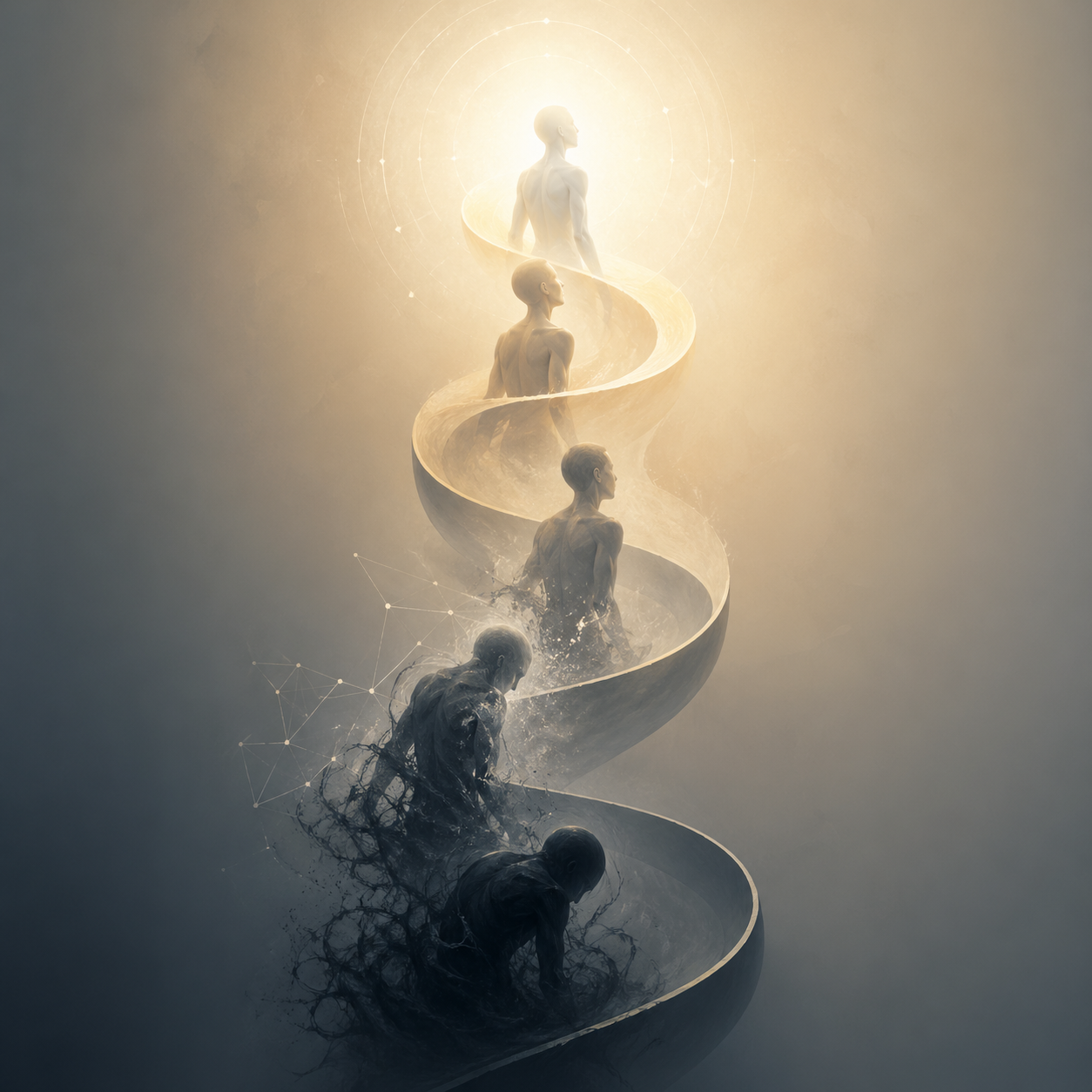
What art achieves is the shining of the Idea through the sensuous — not the Idea in its pure conceptual form (as in philosophy) and not the Idea as felt and inward (as in religion), but the Idea as it appears in material that has been shaped by spiritual intention. When we see a great painting or hear a great symphony, we are not merely receiving sensory stimulation; we are in the presence of spirit giving itself a particular sensuous form. The work of art is the place where spirit and matter achieve a temporary and beautiful unity.
Content and Form
Hegel's aesthetics insists on the unity of content and form. A work of art is not a beautiful form applied to some pre-existing content, nor a content dressed up in a pleasing form; form and content are internally related — each is what it is only through the other. Great art is art in which content and form are completely adequate to each other: the spiritual content has found its perfect sensuous expression, and the sensuous form contains exactly the spiritual content it needs. When this adequacy breaks down — when the content exceeds what the sensuous can hold, or the form overwhelms the content — art enters its different historical phases.
Hegel's account of art as the sensuous shining of the Idea (das sinnliche Scheinen der Idee) is the most quoted and most contested formula in his aesthetics. Critics have argued that it subordinates formal and perceptual qualities of art to conceptual content, reducing aesthetic experience to illustrated philosophy. Defenders argue that Hegel's point is precisely about the inseparability of form and content — not the dominance of either.
Related Concepts