Systematic vs. Edifying
Systematic philosophers — Plato, Kant, Frege, Husserl — aim to construct a permanent framework: to identify the permanent categories of thought or the correct method for grounding knowledge. Their work aims at closure: finding the right vocabulary and establishing it as definitive. Edifying philosophers — Wittgenstein, Heidegger, Kierkegaard, Dewey in his therapeutic moods — aim instead at keeping the conversation open: undercutting pretensions to finality, introducing alternative perspectives, and reminding us that any current vocabulary is a tool rather than a discovery of how things really are.
Hermeneutics and Epistemology
Rorty proposes hermeneutics as the activity that replaces epistemology when we give up the mirror metaphor. Epistemology assumes that there is a common ground — shared criteria of rationality — by reference to which all cognitive claims can be adjudicated. Hermeneutics operates where such common ground is absent: it aims at understanding by finding ways to translate between different vocabularies, practices, and traditions, not at refutation by appeal to neutral criteria. This is not relativism — some translations succeed and others fail — but it is a recognition that there is no Algorithm of Reason that settles all disputes.
The Philosopher as Intellectual Conscience
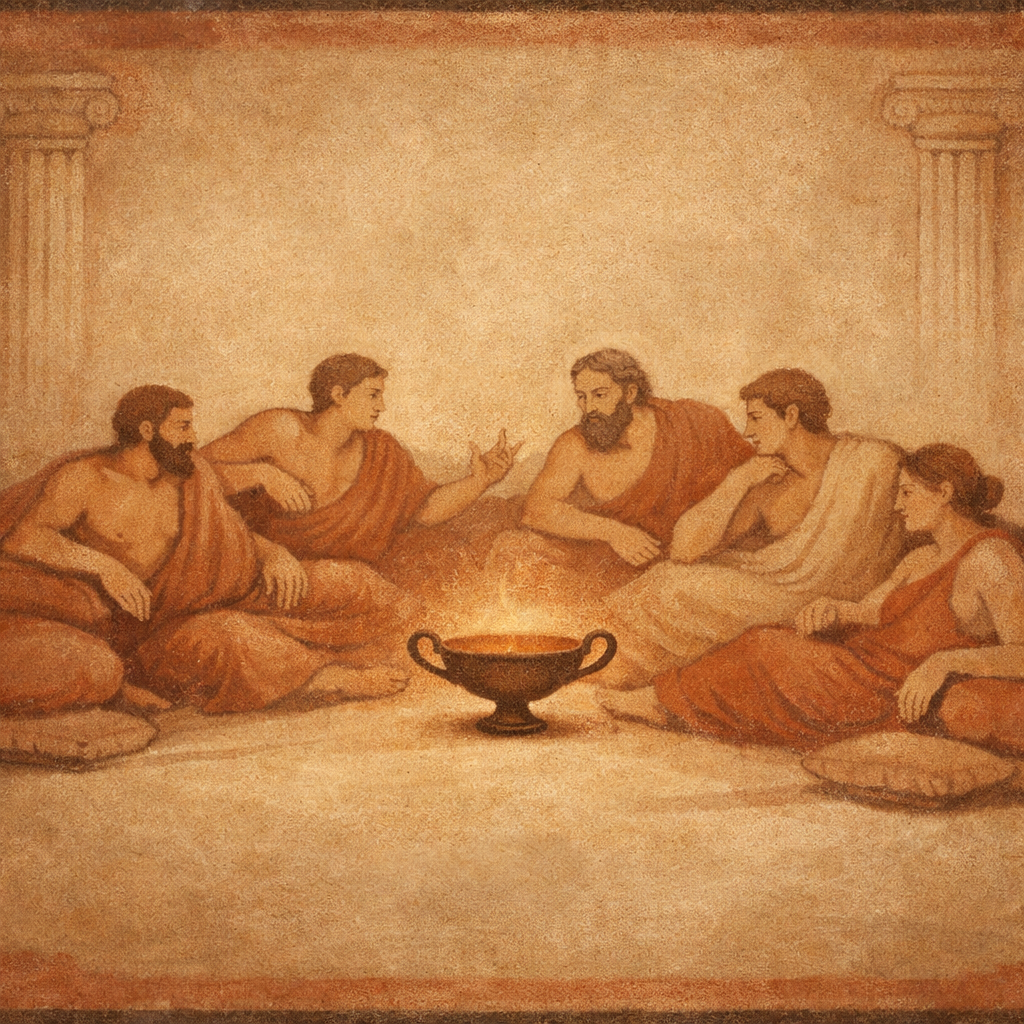
In the edifying mode, the philosopher is not the guardian of rationality but an intellectually adventurous conversationalist — one who reads widely, notices connections, challenges dominant self-images, and offers new ways of describing old situations. This is a humbler but no less important role. Philosophy that edifies does not produce Knowledge with a capital K, but it can change the way we think about ourselves and what we find possible — and that is enough.
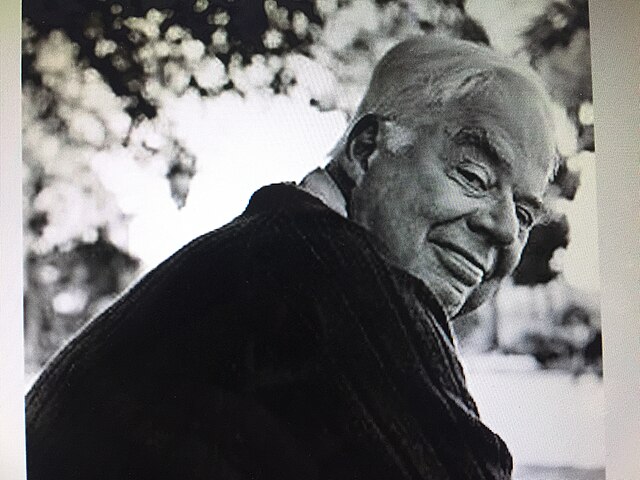
The distinction between systematic and edifying philosophy appears in Chapter 8 of Philosophy and the Mirror of Nature (1979), and is developed further in the introduction to Consequences of Pragmatism (1982).
Related Concepts