Why Clemency Belongs to Princes
Clemency, Seneca argues, operates differently at different scales of society. In a private individual it is admirable; in a ruler it is transformative — it reaches thousands, sets a tone for an entire culture, and determines whether power is experienced by its subjects as a blessing or a pestilence. The prince who exercises mercy creates loyal subjects; the prince who rules by terror creates enemies who are only waiting for their chance.
Clemency does well with all but best with princes; for it makes their power comfortable and beneficial, which would otherwise be the pest of mankind. It establishes their greatness, when they make the good of the public their particular care, and employ their power for the safety of the people.
The Prince as Soul of the Community
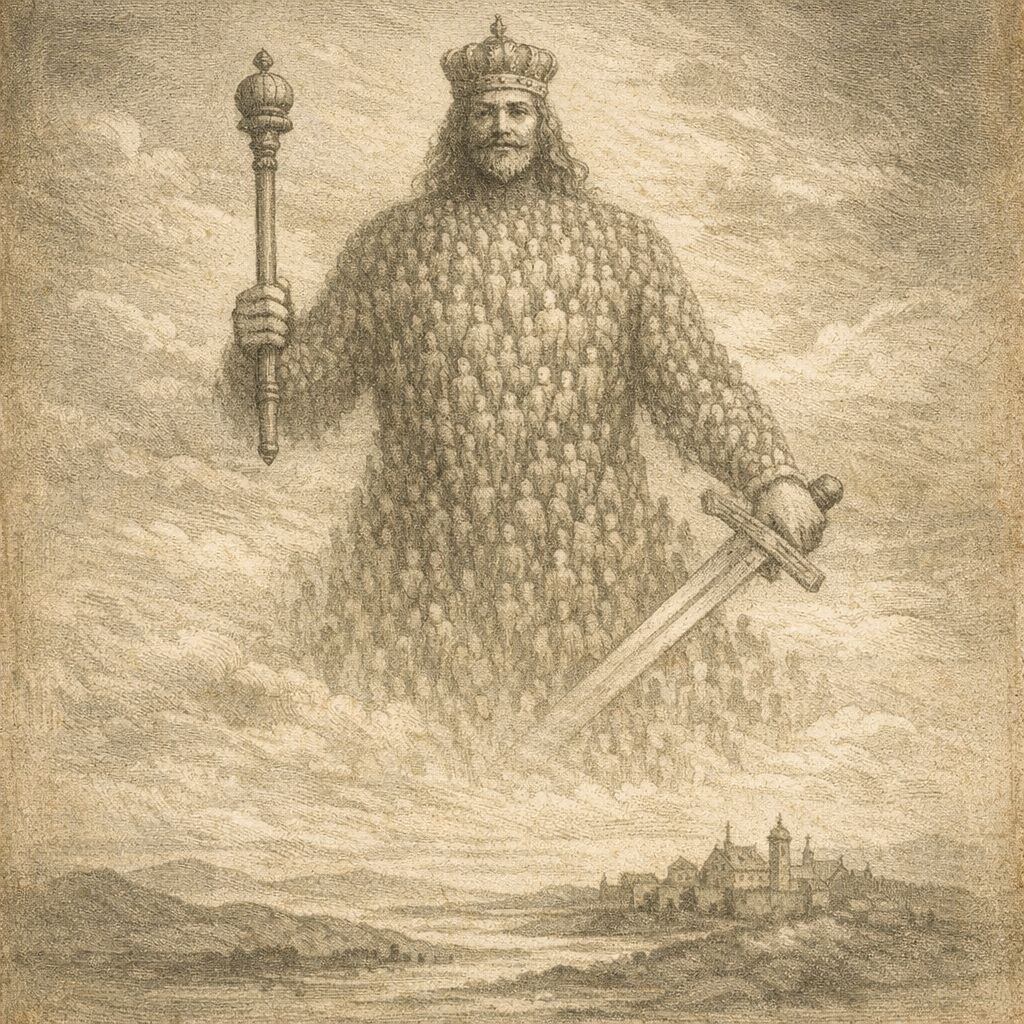
Seneca develops a remarkable political metaphor: the prince is to the state as the soul is to the body. This means that the ruler's moral character is not merely their private concern but the animating principle of the whole community. A cruel prince does not merely commit private wrongs — he corrupts the entire organism of political life. A clement one does not merely spare individuals — he sustains the vitality of the whole.
The Limits of Severity
Seneca does not advocate unlimited mercy. Clemency must distinguish the curable from the desperate; it must not be so general as to encourage wickedness. What it excludes is severity that takes pleasure in punishment, that punishes for its own satisfaction rather than for the reformation of the offender or the protection of the community. The cruel ruler, Seneca observes, degrades himself: severity applied from weakness or appetite is not justice but pettiness.
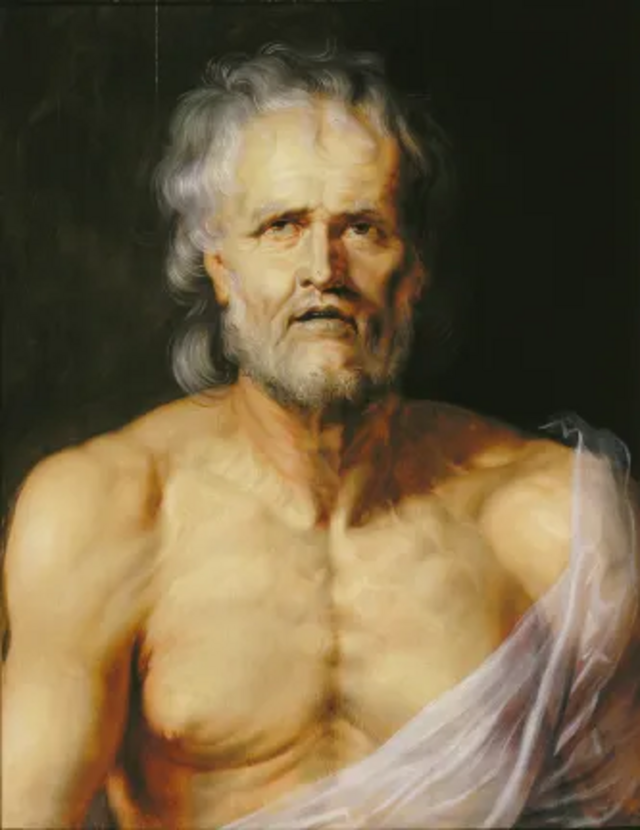
Of Clemency (De Clementia) was written c. 54–56 AD, shortly after Nero's accession. Seneca was Nero's tutor and, at the time, effectively his chief minister. The treatise is among the most direct examples in ancient literature of a philosopher attempting to shape a ruler's character from the inside.
Related Concepts