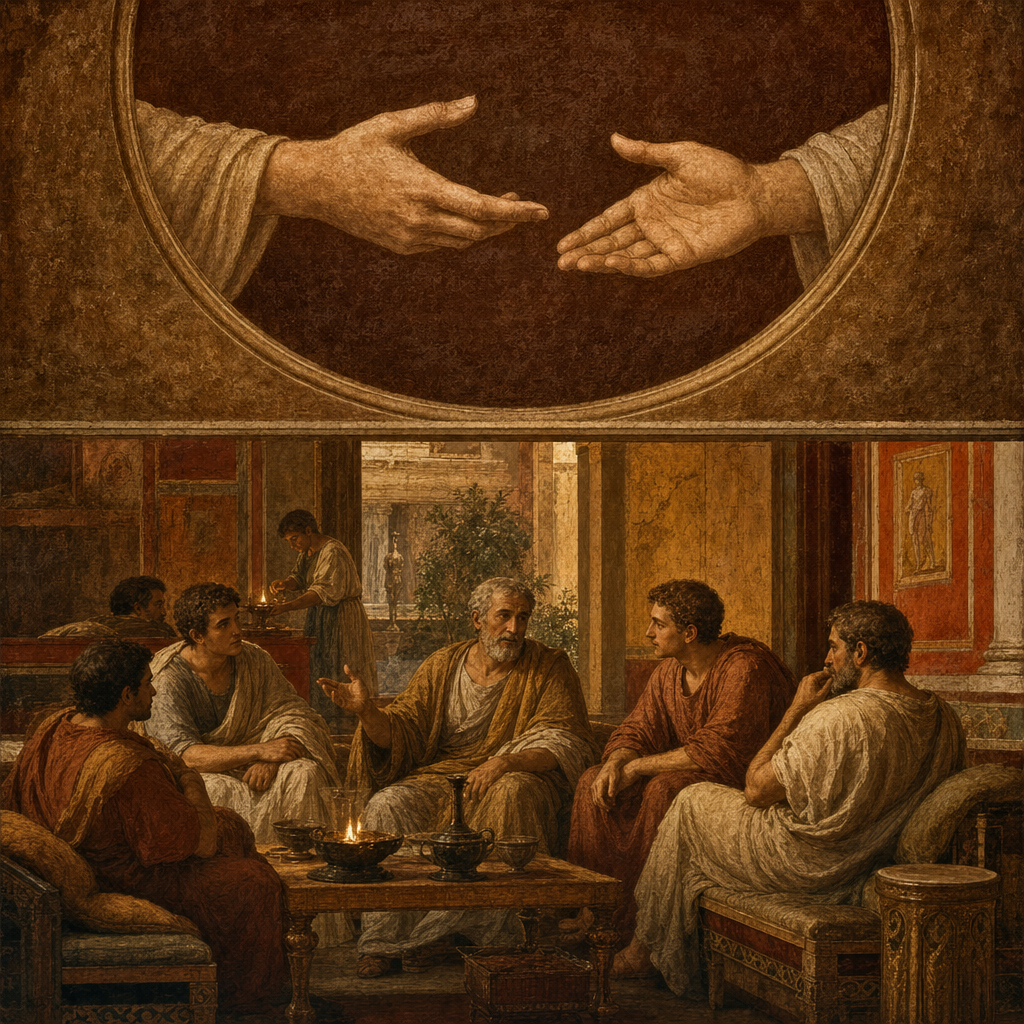
Grace as the Soul of Generosity
A benefit already valuable in itself can be sweetened or spoiled entirely by how it is delivered. Delay, sullenness, grudging assent, or the expectation of return — any of these corrodes the gift. The ideal is to give frankly and swiftly, before the receiver has even had time to ask, and without any trace of superiority over the person one is helping.
There is not any benefit so glorious in itself, but it may yet be exceedingly sweetened and improved by the manner of conferring it.
The Danger of Upbraiding
Some benefactors ruin everything at the moment of giving — by counting out the cost, by making the receiver beg, by attaching conditions, or by subsequently flaunting the gift. Others ruin it later by upbraiding the receiver for ingratitude. Seneca is severe: to remind a man of a benefit already given is to cancel it. The proper attitude is to give and forget; to bestow and then withdraw into silence.
Suiting the Gift to the Person
Judgment is as essential as goodwill. A gift must be suited to the condition, the dignity, and the particular need of the receiver. What is generous to one man is insulting to another. The art of giving therefore requires not only a liberal heart but a discerning eye — the capacity to see the person before you rather than dispensing charity according to habit or impulse.
This chapter (Ch VII) is one of the most practically focused in the treatise, translating Stoic moral philosophy into concrete rules for the conduct of daily life.
Related Concepts