The Social and Religious Necessity of Gratitude
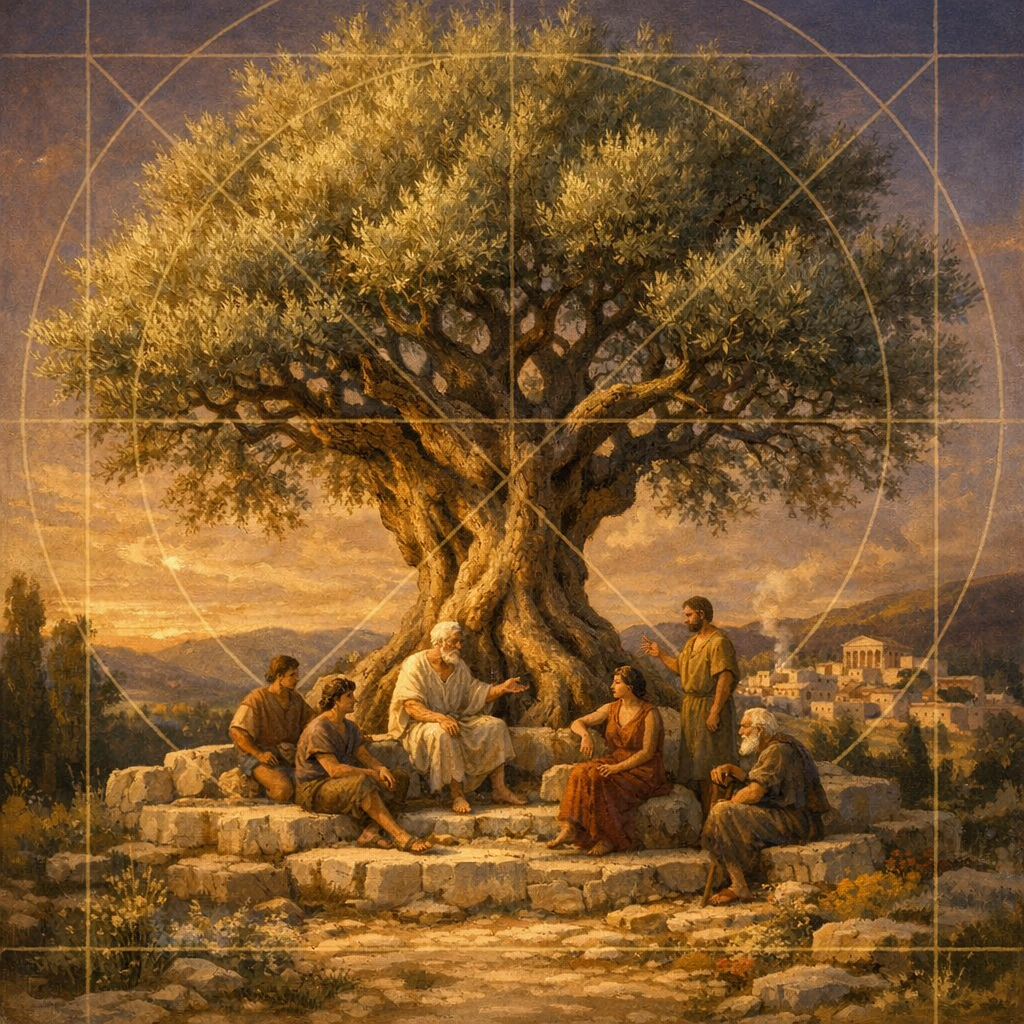
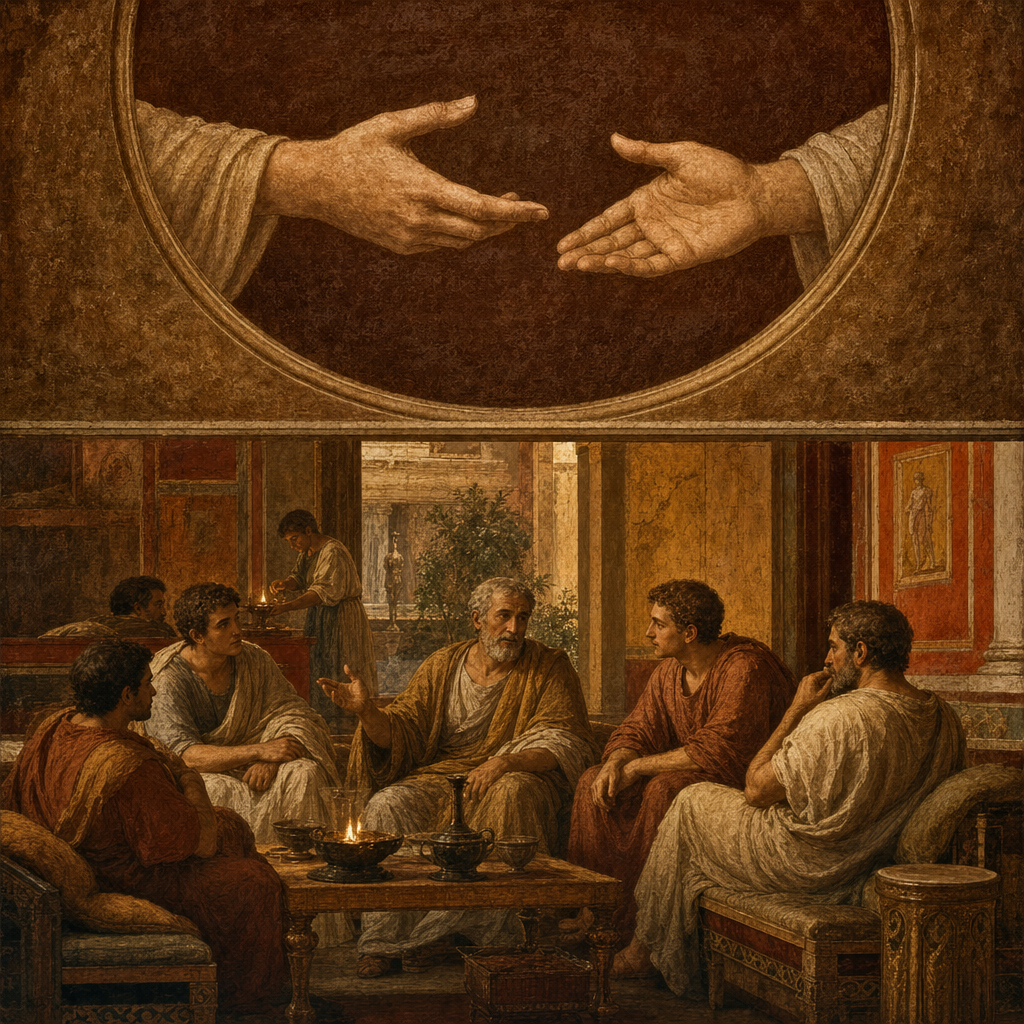
Seneca opens his chapter on gratitude by placing it in the broadest possible frame. Without gratitude, he argues, neither society nor religion is possible. Human communities rest on the expectation that good acts will be acknowledged and reciprocated; remove that expectation and the whole structure of mutual obligation collapses. In this sense, gratitude is not an individual virtue but a civic one — the glue of any tolerable form of human life together.
He that preaches gratitude, pleads the cause both of God and man; for without it we can neither be sociable nor religious.
Gratitude Requires Philosophical Freedom
True gratitude cannot coexist with slavery to external things. The grateful person must be willing to go into exile, to lose wealth, to face reproach — if that is what requiting a benefit demands. This is why Seneca insists that gratitude is inseparable from Stoic detachment: the man who values his comfort above his obligations cannot be genuinely grateful, because he will always find a reason to defer the cost of acknowledgement.
A Cheap and Easy Virtue — If We Will It
Despite these demanding conditions, Seneca argues that gratitude is also the most accessible of virtues. It costs nothing to feel it; its exercise often requires only words, a look, a letter. The problem is not difficulty but will. The ungrateful person knows what they owe — they simply refuse to acknowledge it, whether from pride, forgetfulness, or the corrupting influence of self-interest.
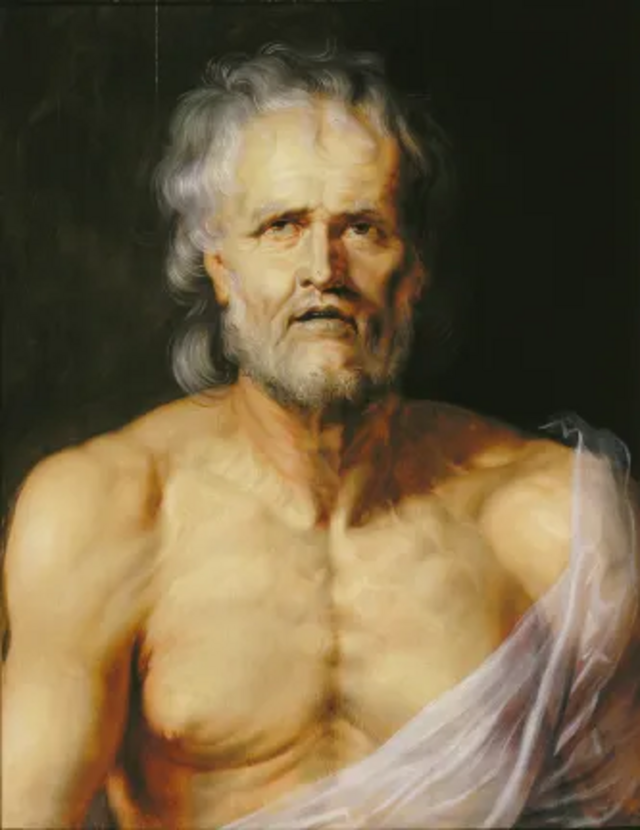
Chapter XVII of On Benefits is one of Seneca's most direct expressions of Stoic ethics as a practice — showing how inner freedom and outward obligation are two sides of the same coin.
Related Concepts