The Problem of Universals
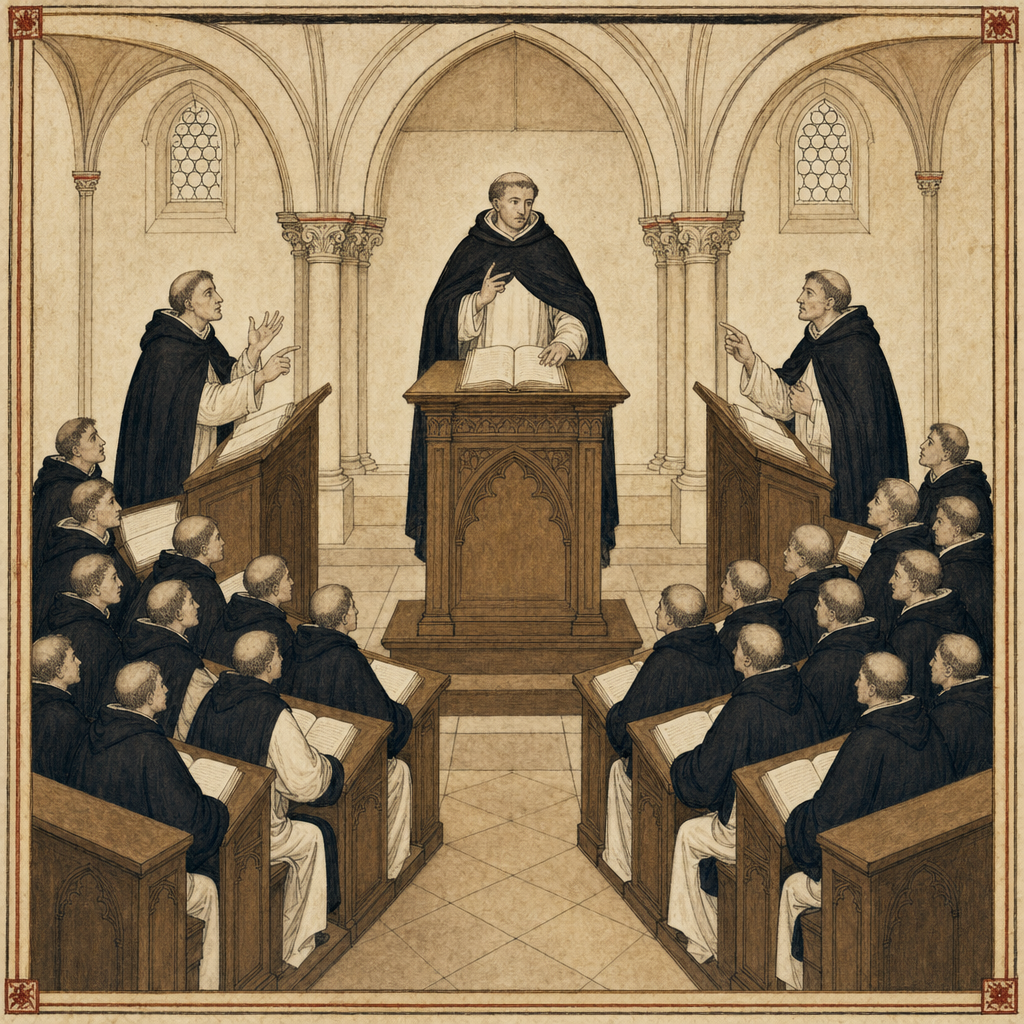
The debate inherited from Porphyry asked: when we use general terms like "animal" or "human," are we referring to a real entity that exists independently of individual things (realism), or merely to a word that groups similar things together with no corresponding reality (nominalism)? Abelard's teacher William of Champeaux initially held an extreme realism: one universal substance "humanity" is wholly present in every human being. Abelard demolished this position by showing it led to absurdities: Socrates and Plato would be numerically identical, sharing one and the same substance.
Abelard's Conceptualism
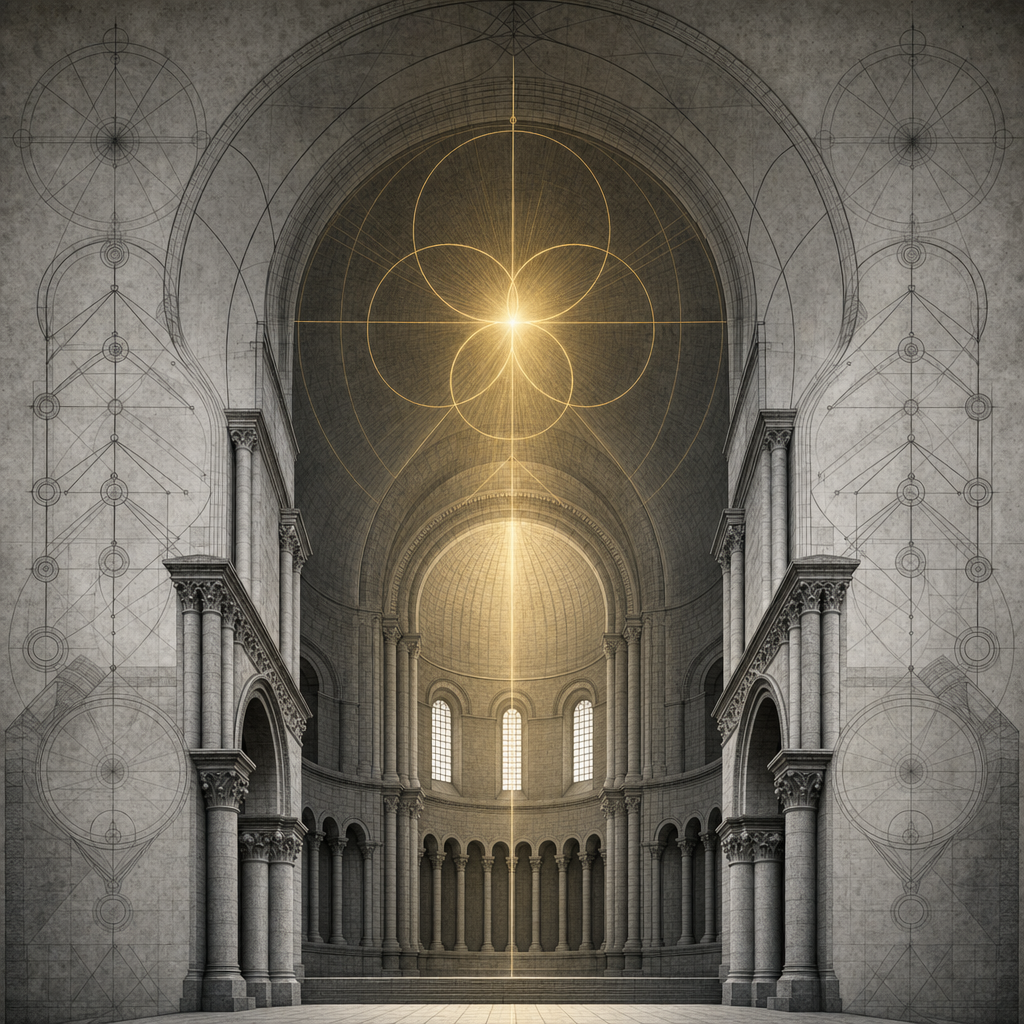
Abelard's own position — sometimes called conceptualism — argues that universals are neither Platonic entities nor mere words but concepts formed in the mind by abstraction from particulars. When we perceive many individual humans, the mind abstracts what they have in common and forms the concept "human." This concept genuinely refers to something real — the similarities among individual things — but the universal itself exists only as a mental act. There are no universal entities "out there" in the world; there are particular things and the mind's capacity to grasp their common features.
Implications for Theology
This theory of universals has direct implications for speaking about God. Divine names — "just," "wise," "good," "omnipotent" — are concepts abstracted from created perfections and predicated of God analogically. They do not refer to separate Platonic forms that God instantiates; they refer to how God's reality exceeds and grounds what we observe in creatures. The same framework applies to Trinitarian language: "Father," "Son," and "Spirit" are not names for three separate universal substances but for three irreducible relations within one divine reality, each genuinely distinct at the level of concept and relation but identical at the level of being.
The debate over universals was the defining philosophical controversy of the early twelfth century, and Abelard's refutation of William of Champeaux made his reputation. His positive theory — sometimes called "sermonism" or conceptualism — influenced the via moderna of the late medieval period and anticipates aspects of modern conceptualism in the philosophy of language.
Related Concepts