Not an Instrument
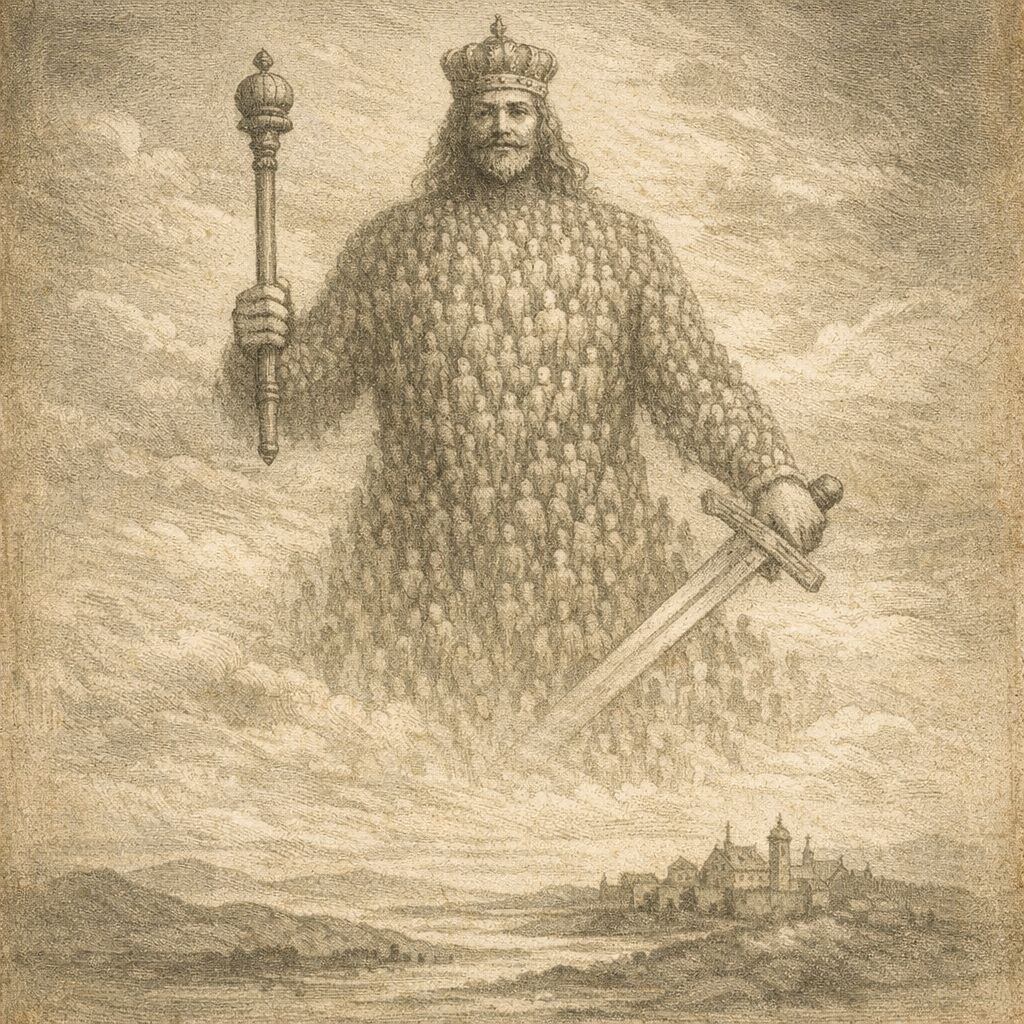
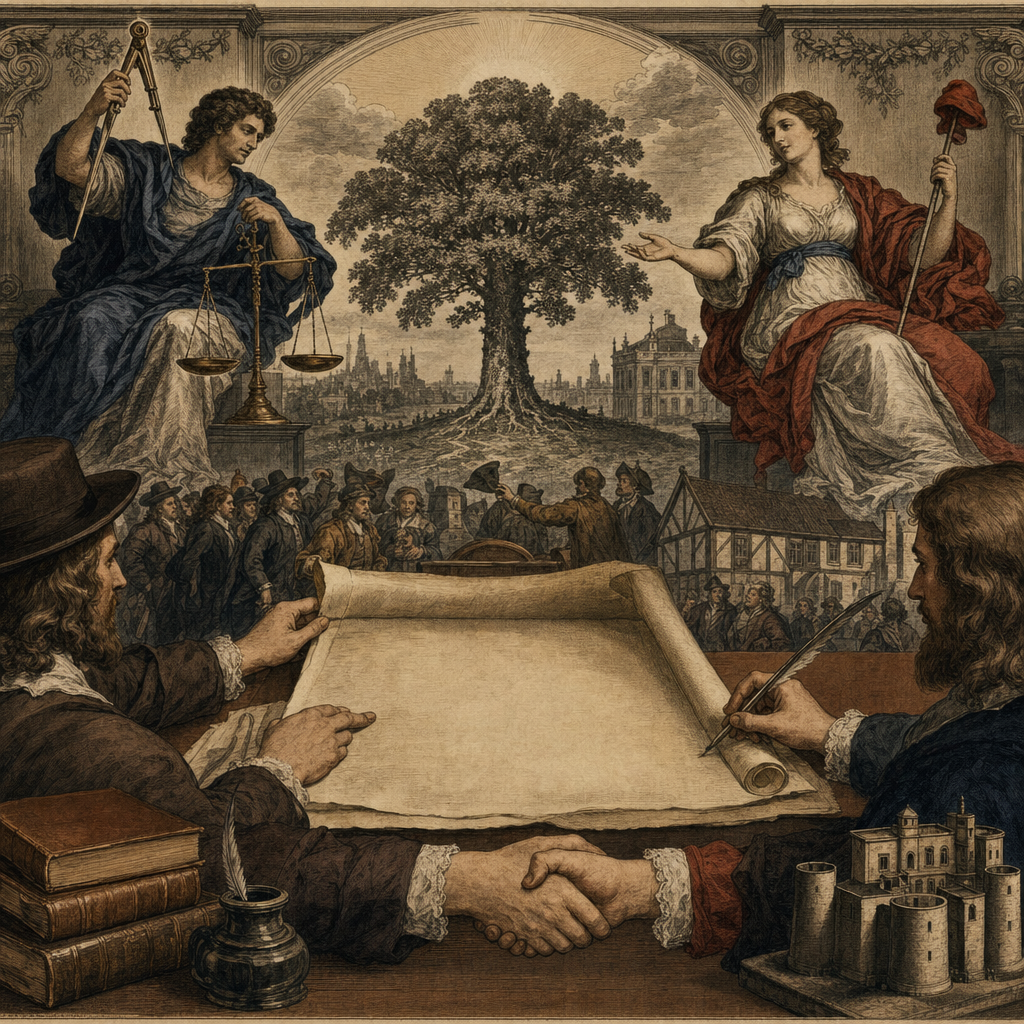
For both liberal contractarians and utilitarian political philosophers, the state is an instrument — a means to individual ends, legitimate only insofar as it serves the interests of its members. Hegel rejects this entirely. The state is not the product of a social contract made by pre-political individuals; it is not a mechanism for maximising welfare. It is the actualization of ethical life — the concrete existence of rational freedom in the world. The state has an intrinsic value that cannot be reduced to the satisfaction of individual preferences.
The Rational and the Real
Hegel's notorious formula — "What is rational is actual; what is actual is rational" — is not a blanket endorsement of whatever happens to exist. Hegel distinguishes between "actuality" (Wirklichkeit) and mere "existence" (Existenz). Not everything that exists is actual in the philosophical sense; only what has achieved its rational essence counts as genuinely actual. The formula means that genuine rationality must actualise itself in the world, and whatever is genuinely actual embodies a rational principle. It is a claim about the necessary connection of reason and reality, not an apology for every existing institution.
Constitutional Monarchy
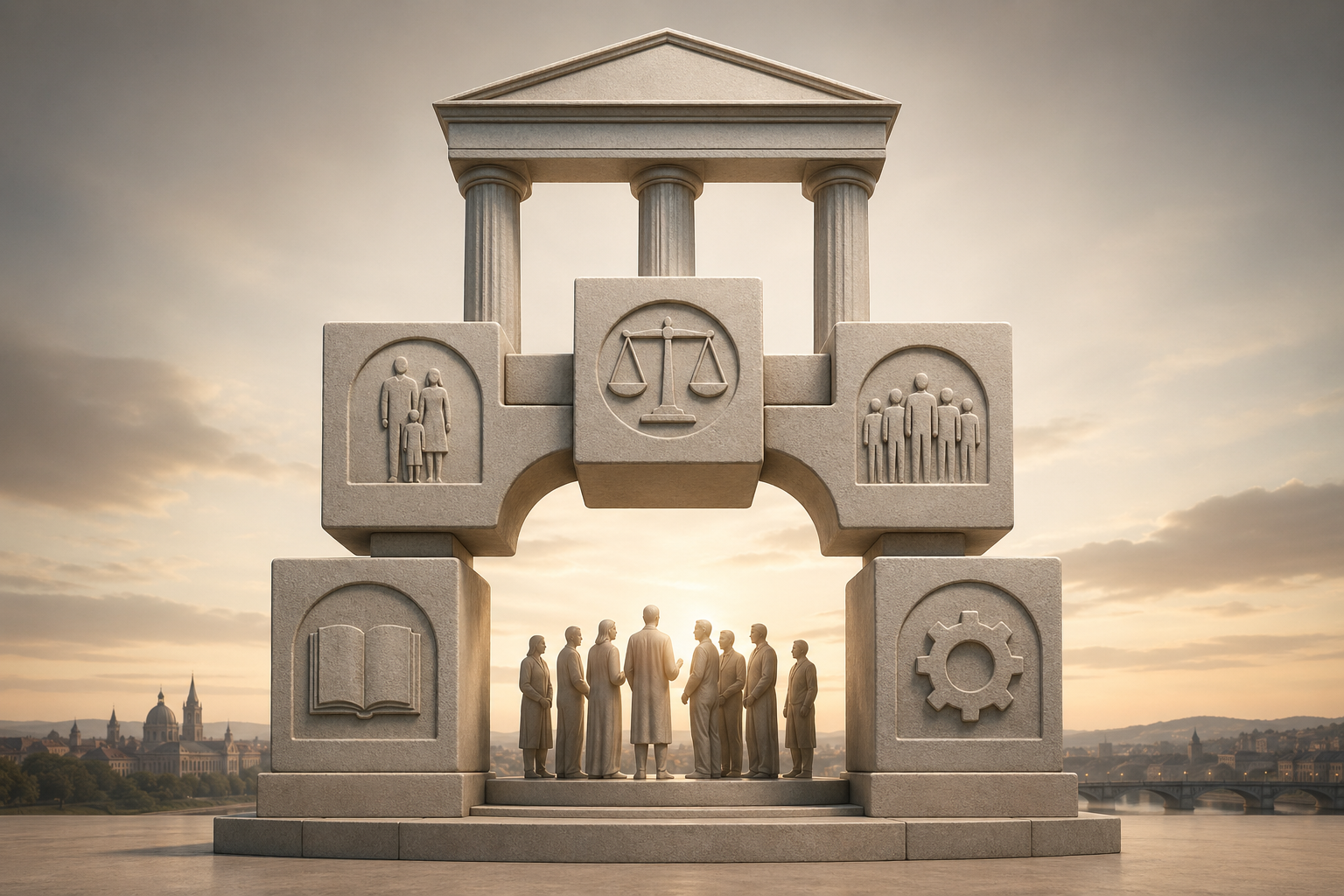
Hegel's ideal state is a constitutional monarchy in which the sovereign provides a single point of individual decision-making, the executive implements the universal law through particular judgement, and the legislature represents the estates of civil society. This is not a defence of absolute monarchy; Hegel insists on the separation of powers and the rule of law. But his inclusion of a hereditary monarch has puzzled interpreters: Hegel's argument is that the state needs an element of particularity and immediacy — a single will that says "I will" to the already-decided universal — and that this function is best served by birth rather than election, which would reintroduce the contingency of particular opinion.
Between World-Spirit and Civil Society
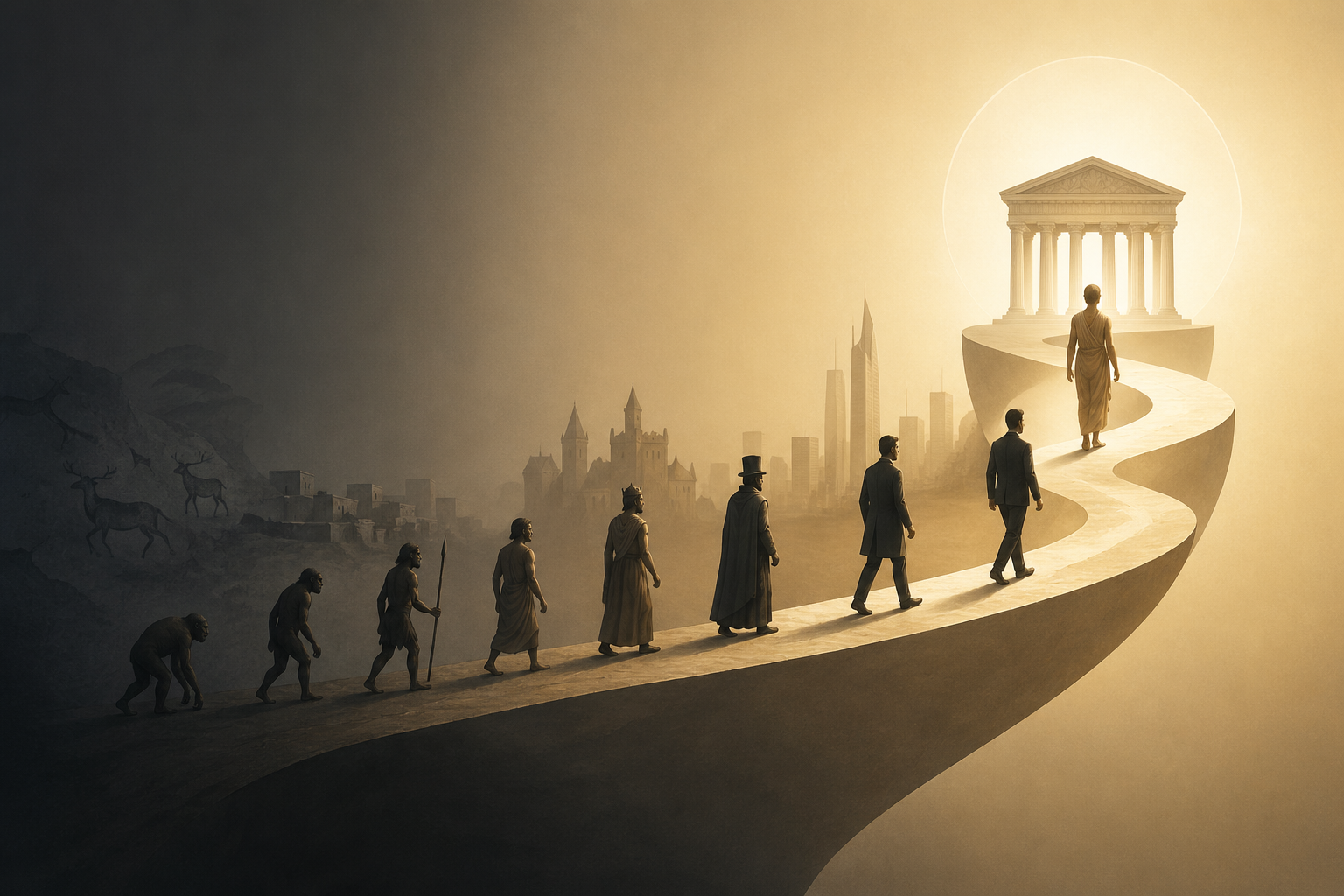
The state, for Hegel, is the highest expression of ethical life on earth — but it is not the absolute. States stand in relation to each other as individuals in the state of nature, and world history is the tribunal in which the rationality of each state's principle is tested and adjudicated. The state that embodies the most advanced principle of Spirit at a given moment is the world-historical state, and its ascent and decline is the medium through which Spirit develops toward its own complete self-recognition.
The charge that Hegel's political philosophy is a form of state worship was given its most influential expression by Karl Popper in The Open Society and Its Enemies (1945), which linked Hegel directly to twentieth-century totalitarianism. This reading has been almost universally rejected by Hegel scholars as a serious misreading, though the political valence of Hegel's thought remains genuinely contested.
Related Concepts