The Epidemical Diseases of Animals
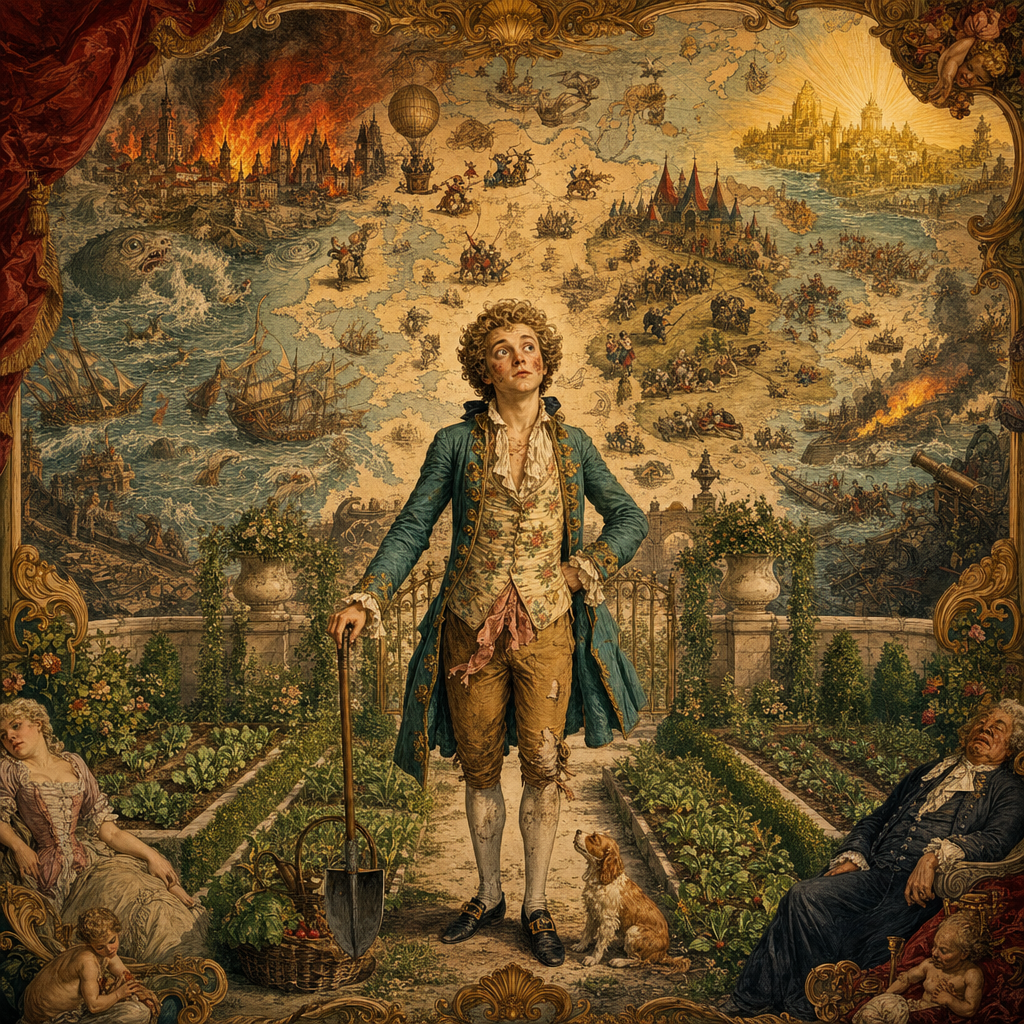
Philo catalogues the inventory of suffering in the natural world with unsentimental precision: the diseases to which animals are subject, the parasites that consume them from within, the predation that marks every ecosystem, the famine and drought that periodically devastate human populations, the earthquakes and floods that seem designed for nothing except destruction. This is not the world we would predict from the hypothesis of an omnipotent, benevolent creator. The hypothesis generates false predictions; it is disconfirmed by the evidence. A creator with infinite power and infinite goodness would presumably have created a world with less gratuitous suffering than this one.
The Four Circumstances
Philo identifies four features of the natural world that seem designed to produce misfortune. First, the existence of pain as a motivator — could not a benevolent creator have motivated creatures through pleasure alone? Second, the operation of general laws regardless of consequences — why should rivers flood and destroy the innocent along with the guilty? Third, the spare economy of the natural world — nature gives creatures just barely enough to survive, without surplus for comfort. Fourth, the defective execution of the machine — almost every creature's constitution has some flaw, as if it were built by an apprentice or designed by a committee.
The Upshot
Philo's conclusion is not atheism but a sceptical agnosticism. The evidence does not establish that the universe has no designer, but it does establish that the universe's designer — if it has one — cannot be assumed to have any special concern for human welfare or any of the moral attributes that religious tradition ascribes to God. The first cause, if there is one, is morally indifferent: it may be the source of order, but it is not good in any sense that human beings could recognise or should emulate. This position anticipates the modern distinction between deism and theism, and the argument that natural theology cannot, even on its own terms, establish the God of any particular religious tradition.
The problem of evil is most directly addressed in Part X and Part XI of the Dialogues. Hume's formulation of the logical problem of evil — "Is he willing to prevent evil, but not able? then he is impotent. Is he able, but not willing? then he is malevolent. Is he both able and willing? whence then is evil?" — is one of the most quoted passages in the philosophy of religion.
Related Concepts