Defamiliarisation as Method
The power of Usbek and Rica's letters lies in defamiliarisation: customs and institutions that seem natural and inevitable to native participants become visible as arbitrary, contingent, and sometimes absurd when described by a genuinely foreign eye. Why does the Pope, a man with no army, wield such authority over kings? Why do Frenchmen spend fortunes on fashions that will be outdated in a year? Why is it illegal to kill in war a perfectly legal act, while a duel over honour is criminal? The Persian observer — allegedly innocent of European categories — makes these questions visible.
Relativism and Its Limits
The foreign observer device seems to imply that all customs are equally valid — if French customs look arbitrary to a Persian, perhaps Persian customs look equally arbitrary to a Frenchman, and there is no neutral standpoint from which to judge. Montesquieu is not a simple relativist. The irony of Persian Letters cuts both ways: Usbek's home country is revealed, through the harem subplot, to be governed by a despotism far more brutal than anything he criticises in France. The foreign observer who seems to provide a neutral external standard is himself implicated in the very domination he criticises.
The Harem as Micro-Despotism
The harem subplot — Usbek's wives and eunuchs back in Persia, whose rebellion and its violent suppression unfold across the final letters — is not an ornament but the philosophical core of Persian Letters. Usbek is simultaneously a critic of European tyranny and a tyrant himself: his letters home become increasingly desperate and punitive as he loses control, culminating in an orgy of violence that reveals the logic of despotism in miniature. The liberal intellectual who fails to see the despotism in his own house is a recurrent figure in Montesquieu's political thought.
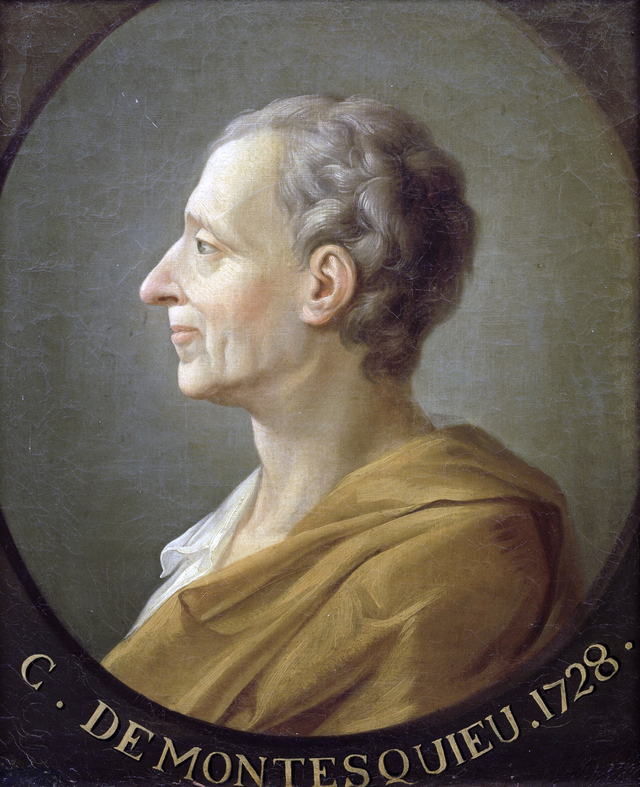
Persian Letters was published anonymously in 1721 and established Montesquieu's reputation. The harem subplot has been extensively analysed by feminist and postcolonial scholars, most notably Alain Grosrichard in The Sultan's Court (1979).
Related Concepts