Beauty as Harmony
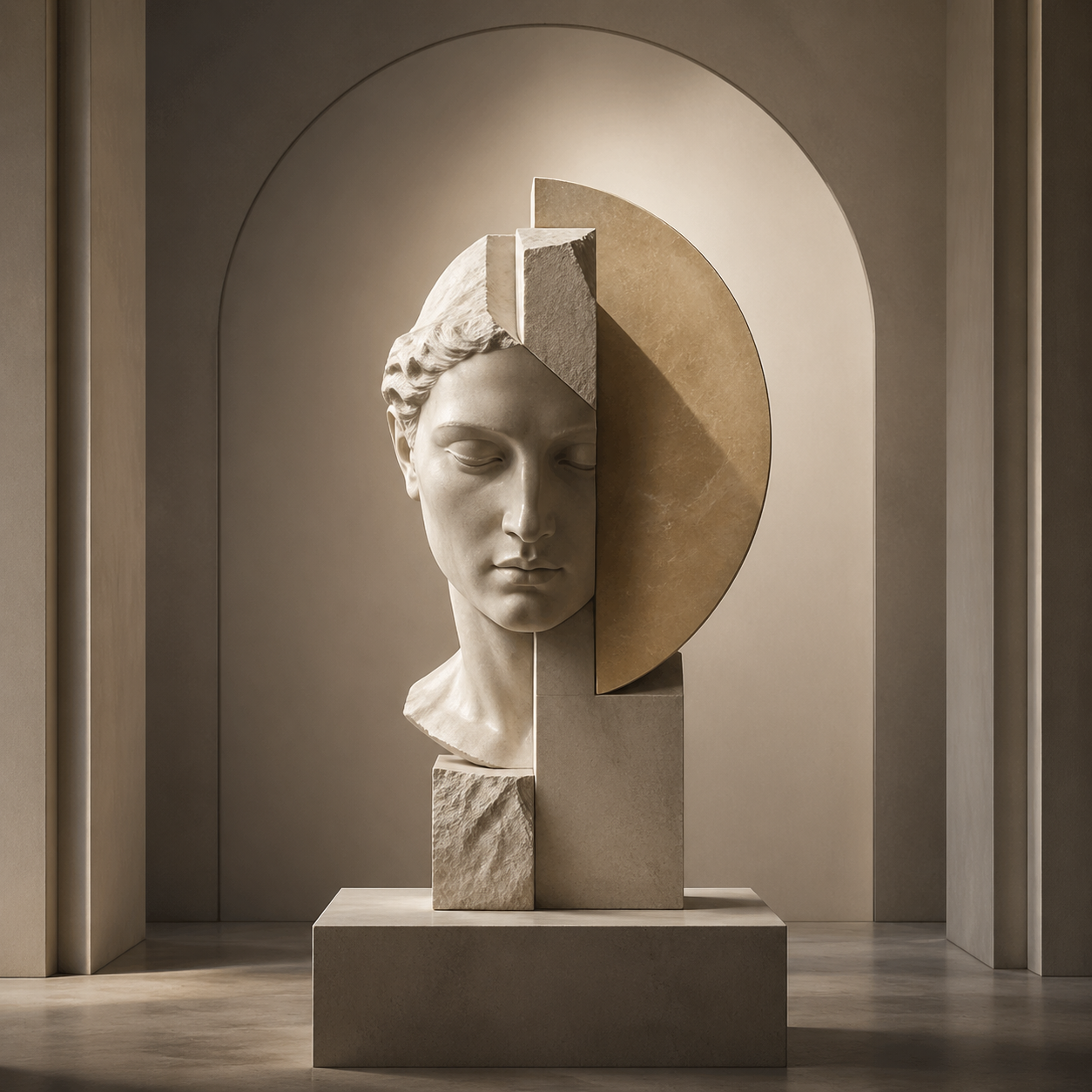
When we judge something beautiful, our imagination and understanding enter into a free, mutually animating play. Neither faculty dominates the other; the form of the object sustains an indefinite engagement without being reducible to a determinate concept. This harmony produces a pleasure that feels universal — we expect others to agree — yet it is not grounded in any rule that could be stated explicitly.
The Sublime and Rational Superiority
The sublime arises before what is vast or overwhelming — towering mountains, violent storms, the starry sky. Imagination fails to encompass such magnitudes, producing an initial feeling of displeasure or even distress. Yet this very failure reveals our rational nature: we recognise that we possess a faculty — reason — that surpasses anything in nature by its demand for totality. The displeasure gives way to an exaltation that is the feeling of our own supersensible vocation.
The Moral Dimension of the Sublime
The sublime is not merely an aesthetic category for Kant — it is a symbol of moral feeling. The recognition that human reason transcends nature points toward our status as moral beings whose dignity cannot be measured by natural forces. To be genuinely moved by the sublime is already to respond, indirectly, to the moral law.
The Analytic of the Beautiful is §§1–22 of the Critique of Judgment; the Analytic of the Sublime is §§23–29.
Related Concepts