Distance Between Classes
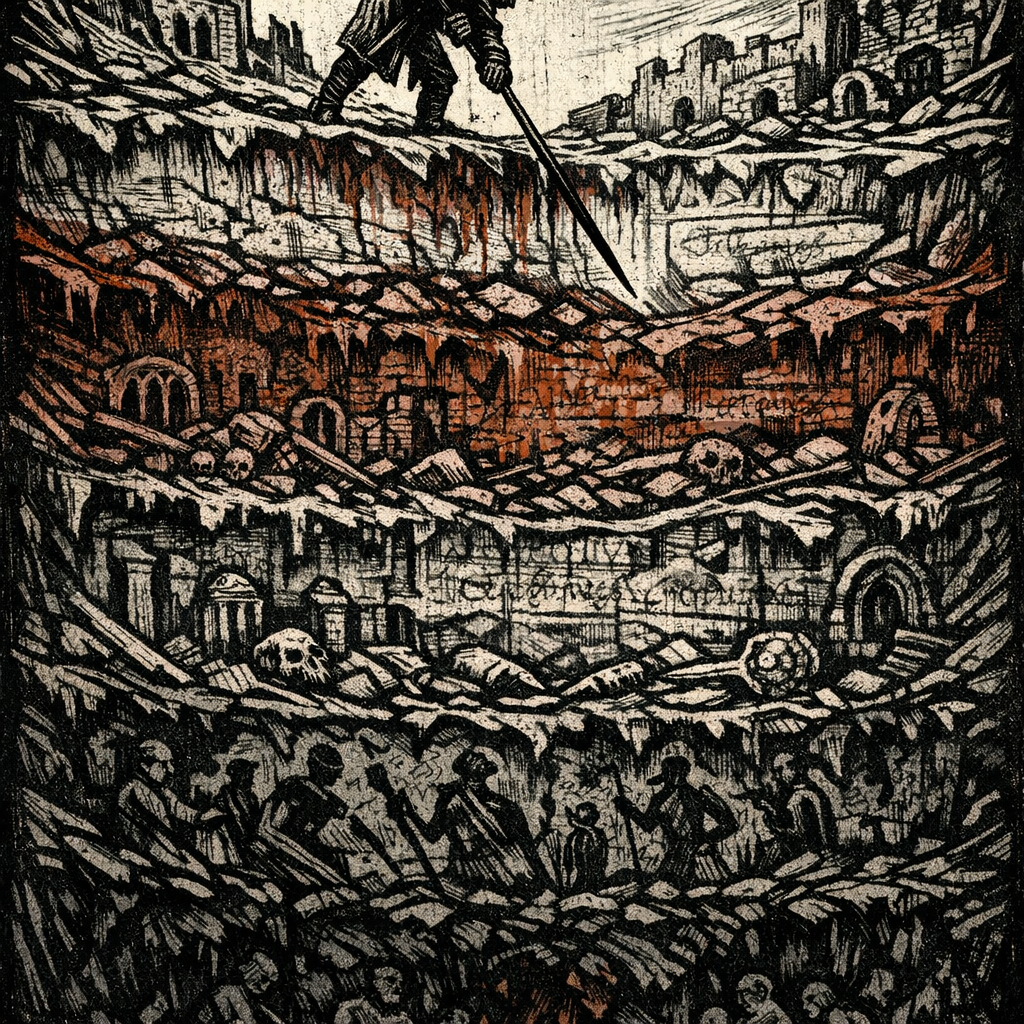
The pathos of distance begins as a social phenomenon: the hierarchical distance between a ruling caste and those below it. This is not mere snobbery. Nietzsche argues that the experience of commanding and being obeyed, of maintaining distinction across a gradient of rank, produces a specific kind of inner life — a sense of one's own elevation that could not arise in a flat society of equals.
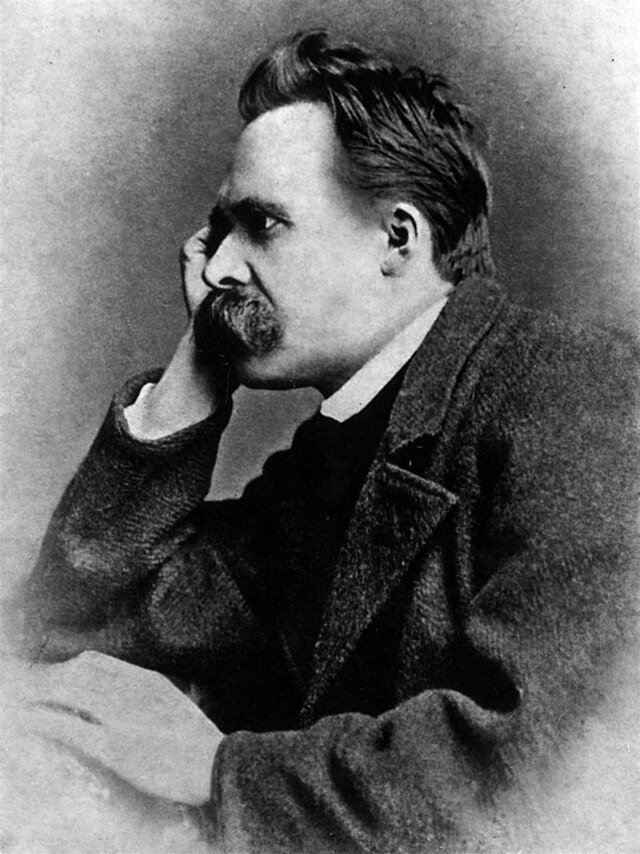
Without the PATHOS OF DISTANCE, such as grows out of the incarnated difference of classes, out of the constant out-looking and down-looking of the ruling caste on subordinates and instruments, and out of their equally constant practice of obeying and commanding, of keeping down and keeping at a distance--that other more mysterious pathos could never have arisen
The Inner Distance
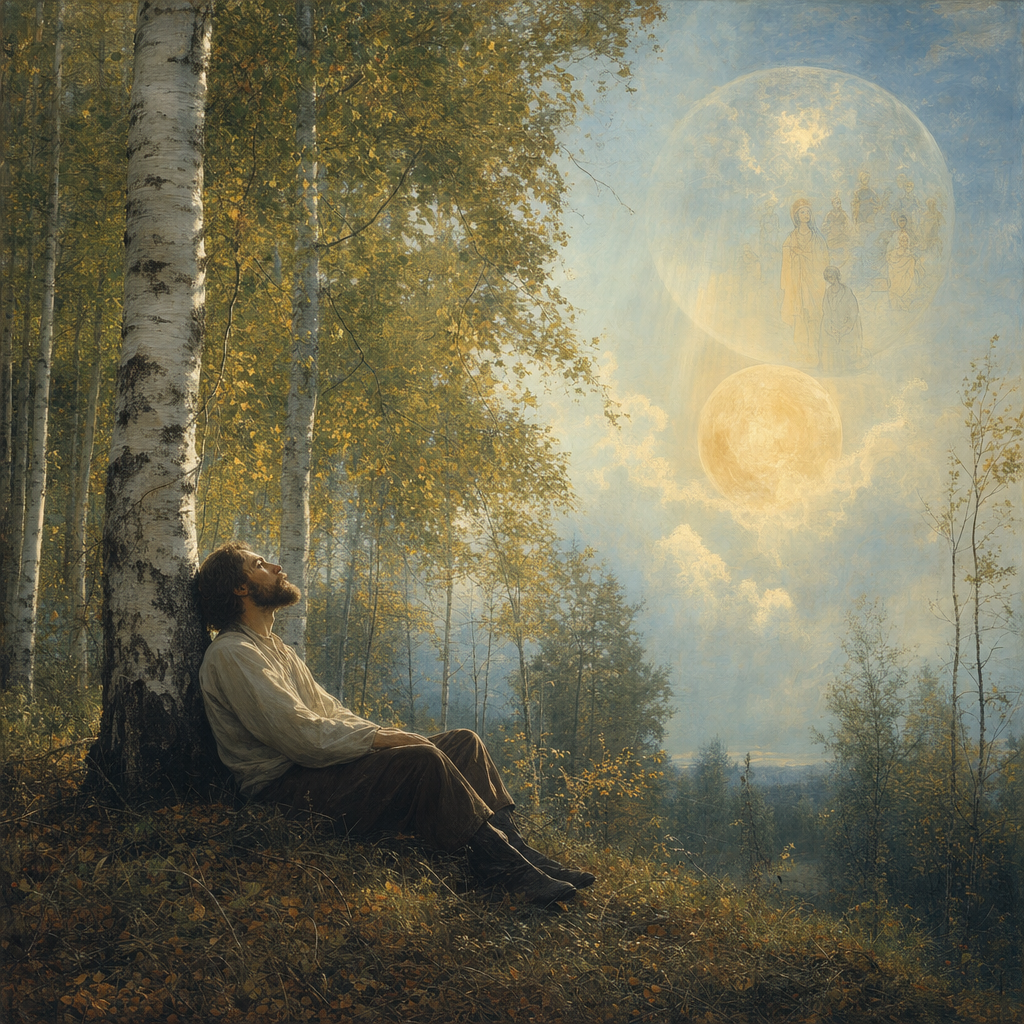
The social pathos of distance is only the precondition. What Nietzsche really cares about is the analogous movement within the soul: the striving for higher states, for rarer and more refined forms of experience and self-mastery. Just as a ruling class maintains distance from the masses below, the noble soul maintains distance from its own lower impulses and from the comfort of easy satisfaction. This inner elevation is what produces greatness.
Against Democratic Levelling
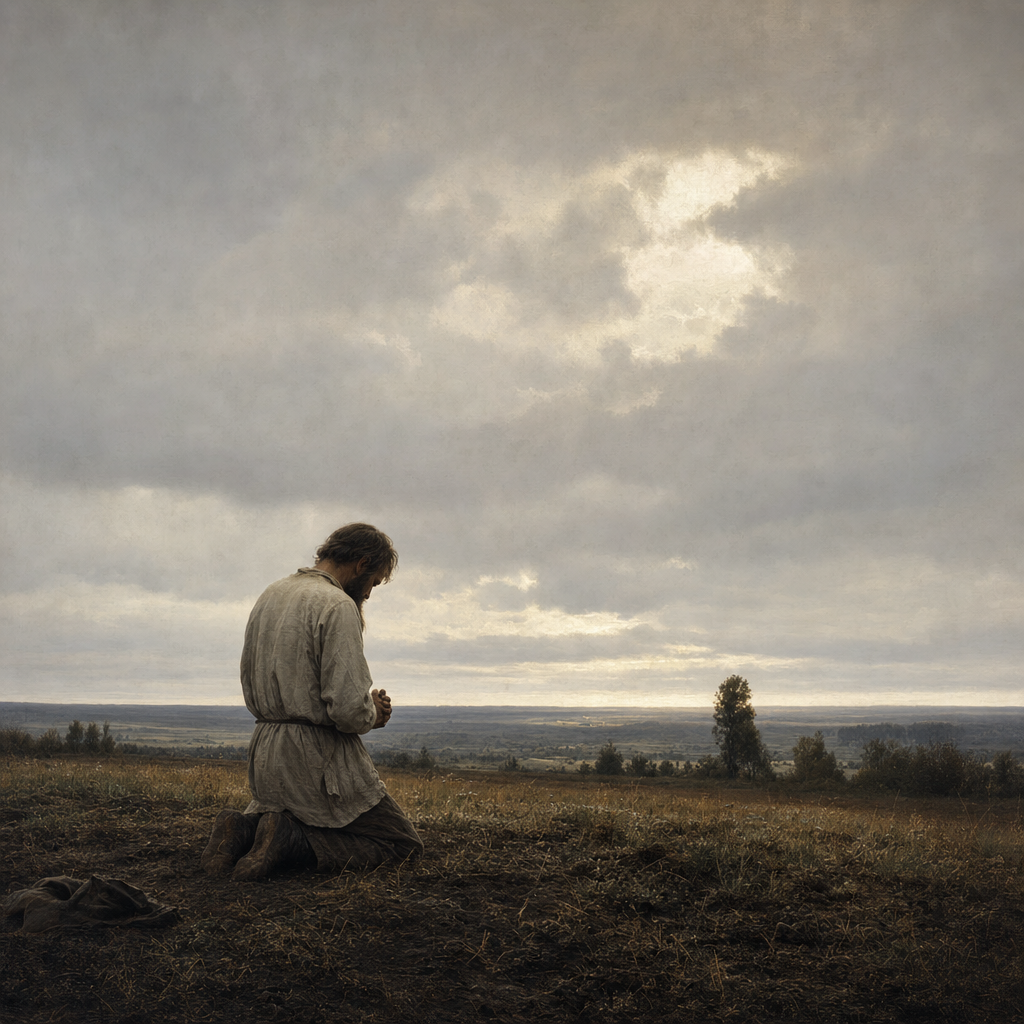
The democratic movement, for Nietzsche, destroys the conditions that make the pathos of distance possible. When all distinctions of rank are abolished in the name of equality, the creative pressure of hierarchy disappears. The result is not freedom but mediocrity: the herd-animal writ large. What Nietzsche mourns in modernity is not the loss of privilege but the loss of the cultural and psychological conditions that made excellence possible.
The pathos of distance is introduced in aphorism 257 of "What is Noble?" and should be read alongside Nietzsche's account of master morality in aphorism 260, where the same principle is mapped onto the history of ethics.
Related Concepts