The Myth of the Metals
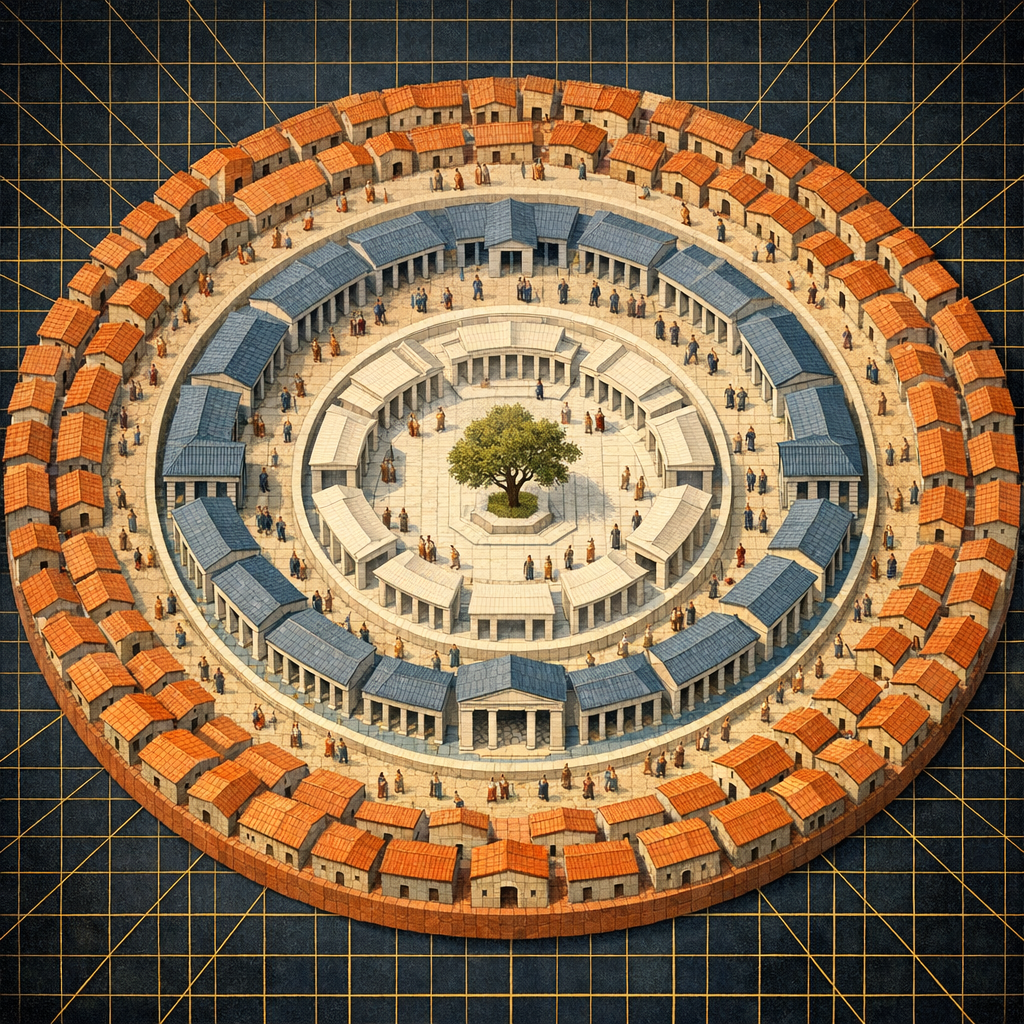
The myth runs as follows: the god who fashioned human beings mixed different metals into their souls. Those fitted to rule were made with gold; those fitted for military service, with silver; farmers and craftsmen, with bronze and iron. These are the natural differences that explain why people belong to different social roles — and why the arrangement is ordained rather than merely imposed.
Why a Lie?
Any functioning city requires a shared account of why its authority is legitimate. Pure reason cannot provide this on its own — citizens need a story they can feel as well as understand. The noble lie provides a foundation for civic loyalty and acceptance of hierarchy that naked force cannot supply. Plato is not arguing for cynical propaganda; the rulers are to believe the myth too.
And so when we have anointed him with myrrh,
and set a garland of wool upon his head, we shall send him away to
another city.
The Troubling Legacy
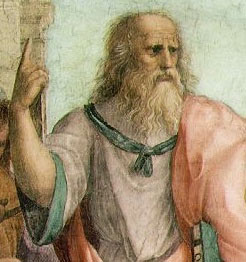
The passage has haunted Plato's reputation. Karl Popper treated it as the seed of totalitarian propaganda — the philosopher-elite lying to the masses for their own good. Others read it as irony, a Socratic provocation designed to make us uncomfortable with any founding myth, including our own. The question it raises is perennial: can any political community survive on transparent reason alone, or does it always need a sustaining narrative to hold it together?
The "noble lie" (gennaion pseudos) appears in Book III of The Republic. The word gennaion means noble or well-born — Plato implies the lie is noble in purpose even if not in method.
Related Concepts