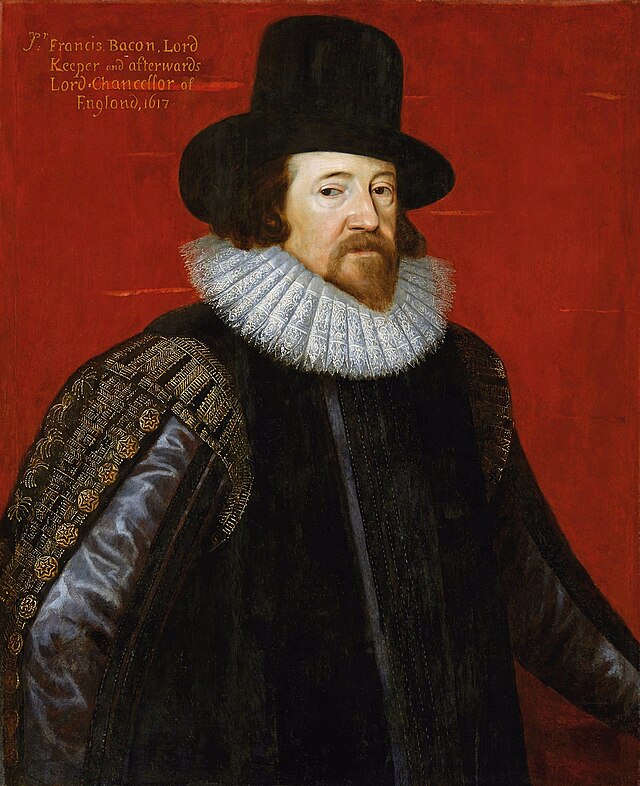
A State-Sponsored Domestic Ritual
The feast is granted at public expense, presided over by the Tirsan — the family father — who spends two days beforehand adjudicating disputes, arranging relief for the distressed, and giving direction on marriage and conduct. Civil authority backs his decisions but, Bacon notes, rarely needs to: the family gives 'such reverence and obedience' to the natural order that enforcement is nearly unnecessary.
A most natural, pious, and reverend custom it is, shewing that nation to be compounded of all goodness.
Family as the Unit of the State
Where Salomon's House organises the pursuit of nature, the Feast of the Family organises the pursuit of social order — discord compounded, vice censured, the vulnerable provided for, all before the household's own patriarch rather than a distant court. Bacon's utopia layers institutions: one for knowledge, one for kinship, each modelling the same confidence that human affairs, examined carefully enough, can be put into a working order.
Drawn from Chapter II of New Atlantis, told to the narrator before he learns of Salomon's House itself.
Related Concepts