The Tripartite Classification
Epicurus divides desires into three classes. Natural and necessary desires are those whose non-satisfaction causes pain: hunger, thirst, shelter, warmth, the companionship needed to escape loneliness. These desires are limited — they have a natural point of satisfaction — and are easily fulfilled by simple means. Natural but unnecessary desires are those that do not cause pain when unmet but that nature has nonetheless furnished us with: the desire for particular foods, sexual pleasure, variety and novelty. These can be enjoyed but should not be pursued obsessively. Vain and empty desires have no natural basis at all: they are generated by false beliefs — the belief that wealth, fame, or power will bring lasting happiness — and can never be permanently satisfied.
The Paradox of Simplicity
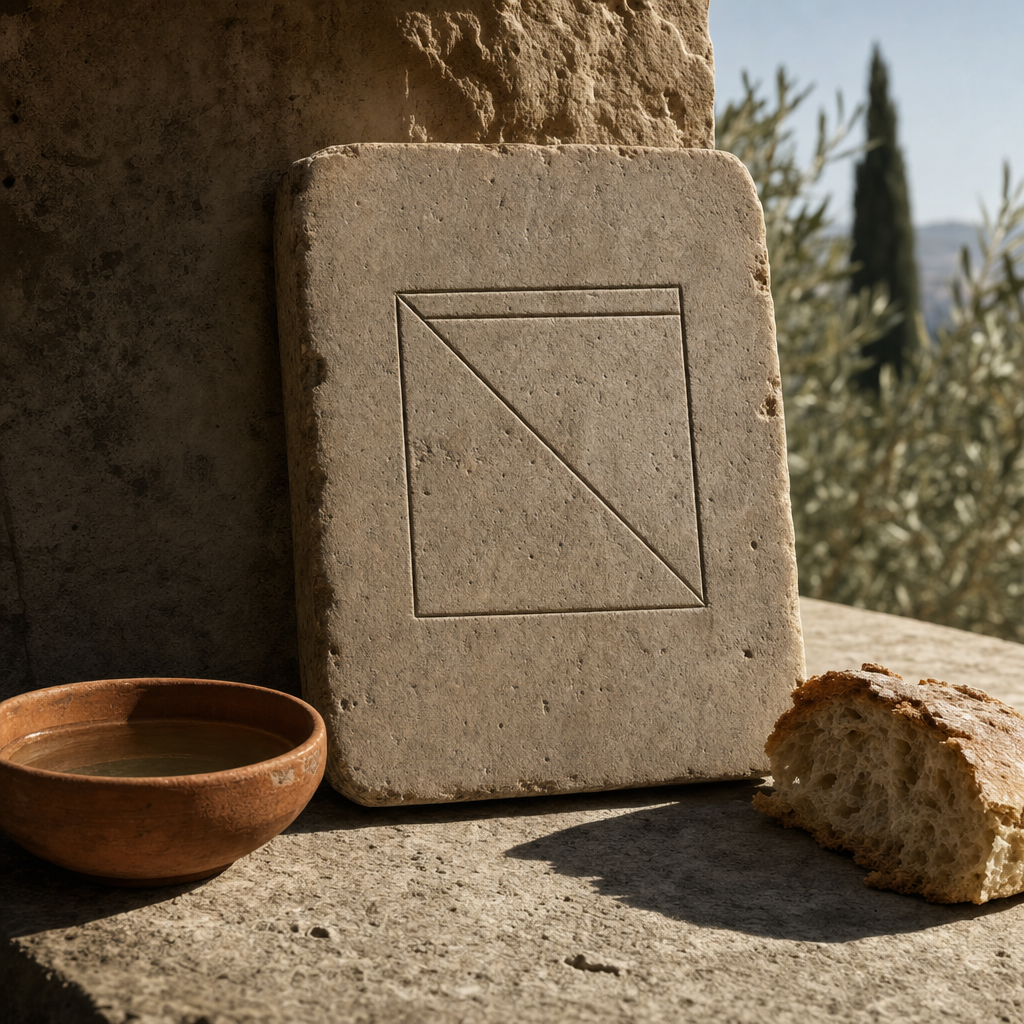
One of the most striking consequences of this framework is Epicurus's persistent recommendation of simple living. "Give me a barley cake and water," he reportedly said, "and I can compete with Zeus in happiness." This is not asceticism — Epicurus explicitly says he enjoys the pleasures of the table and the company of friends — but a recognition that the pleasures of simplicity are more reliable, more available, and less contaminated by the anxiety of acquisition and the fear of loss than the pleasures of luxury. The person who can find genuine satisfaction in simple things is free; the person who needs luxury is a slave to the conditions required to maintain it.
Desire and Freedom
The purpose of the desire classification is ultimately about freedom. The Epicurean who has limited their necessary desires to what nature actually requires is not dependent on fortune, the favour of rulers, the fluctuations of the market, or the opinions of society. Their happiness cannot be taken from them because it does not depend on things that can be taken away. This independence is what Epicurus means by autarkeia — self-sufficiency — which he regards as the greatest of all goods. Not the self-sufficiency of the hermit who needs nothing, but the self-sufficiency of the philosopher who, having understood what genuinely satisfies, finds the world already full of it.
The classification of desires appears in the Letter to Menoeceus and is elaborated in the Principal Doctrines (especially Doctrines 26–29). The concept of natural and necessary desires provides the practical framework for all Epicurean ethics and distinguishes Epicureanism sharply from both ascetic philosophies (which deny natural desires) and hedonism in the popular sense (which pursues all desires without classification).
Related Concepts