Against the Boarding School
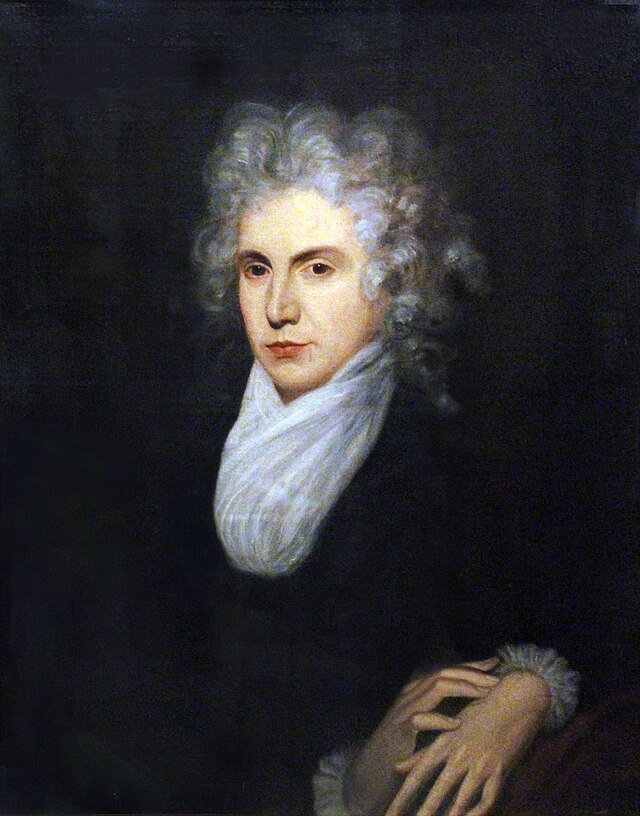
Chapter XII opens with an attack on contemporary schools — both the boarding schools that harden boys through neglect and the private seminaries that confine girls to ornamental accomplishments. Each, in its own way, produces citizens unfit for rational life: the one by brutalising, the other by enfeebling. The reform Wollstonecraft proposes is not a moderate improvement but a fundamental restructuring of how education is conceived and delivered.
Day Schools and Democratic Access
The key features of Wollstonecraft's proposal are radicalism of access and radicalism of integration. Day schools should be free to all classes — not reserved for those who can pay. And crucially, they should educate boys and girls together, under the same roof, in the same subjects.
To render this practicable, day schools for particular ages should be established by government, in which boys and girls might be educated together. The school for the younger children, from five to nine years of age, ought to be absolutely free and open to all classes.
Why Co-education Matters
The co-education of the sexes is not merely logistically convenient — it is morally essential. Women educated apart from men learn to perform for men; men educated apart from women learn to regard women as decorative objects. Shared education, from early childhood, creates the conditions for genuine mutual respect. It also denies the premise that women need a separate, diminished curriculum designed for their particular weakness.
For Wollstonecraft, the goal of national education is not merely literacy or professional training but civic character: the formation of citizens capable of rational self-governance, moral independence, and genuine affection for their fellows. Women must be included in this formation not as a concession but as a necessity — because a republic cannot survive on the rational citizenship of only half its people.
The educational proposal is set out in Chapter XII of the Vindication. Wollstonecraft's vision of state-funded universal education was far in advance of her time; the first comparable English legislation came with the Education Acts of 1870.
Related Concepts