Why the Bomb Fails
Florentino does not refute Simoun with prudence but with ethics: an emancipation won through corruption and slaughter would merely install new masters. God withheld success not from the end but from the means — freedom obtained by poisoned instruments is poisoned freedom.
The Doctrine
Then comes the sentence that generations of Filipinos memorized:
I do not mean to say that our liberty will be secured at the sword’s point, for the sword plays but little part in modern affairs, but that we must secure it by making ourselves worthy of it, by exalting the intelligence and the dignity of the individual, by loving justice, right, and greatness, even to the extent of dying for them,—and when a people reaches that height God will provide a weapon, the idols will be shattered, the tyranny will crumble like a house of cards and liberty will shine out like the first dawn.
Worthiness Is Not Quietism
It is easy to misread the doctrine as counseling submission — suffer, improve yourselves, and wait. Florentino explicitly blocks that reading: he grants that when justice is trampled and every recourse exhausted, God has never failed the oppressed who took up the sword. The claim is not that resistance is forbidden but that it is fruitless before a people has built the intelligence and dignity that alone can hold what force might win. Character precedes constitution; the revolution that matters happens first in the self.
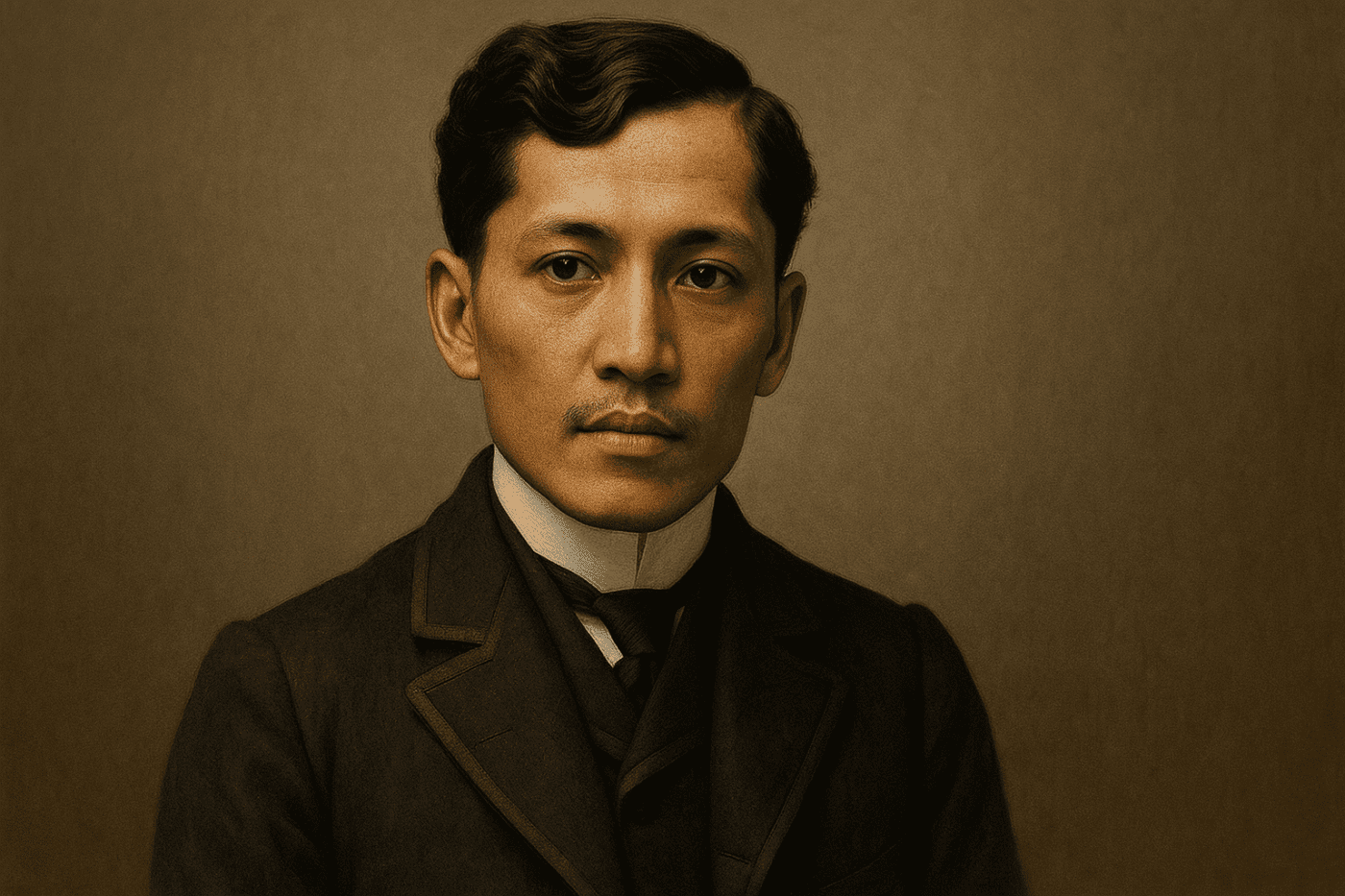
Father Florentino’s discourse closes the novel (Ch. XXXIX, “Conclusion”); Rizal was executed five years after writing it, having lived his own doctrine to the letter.
Related Concepts