What a Final Vocabulary Is
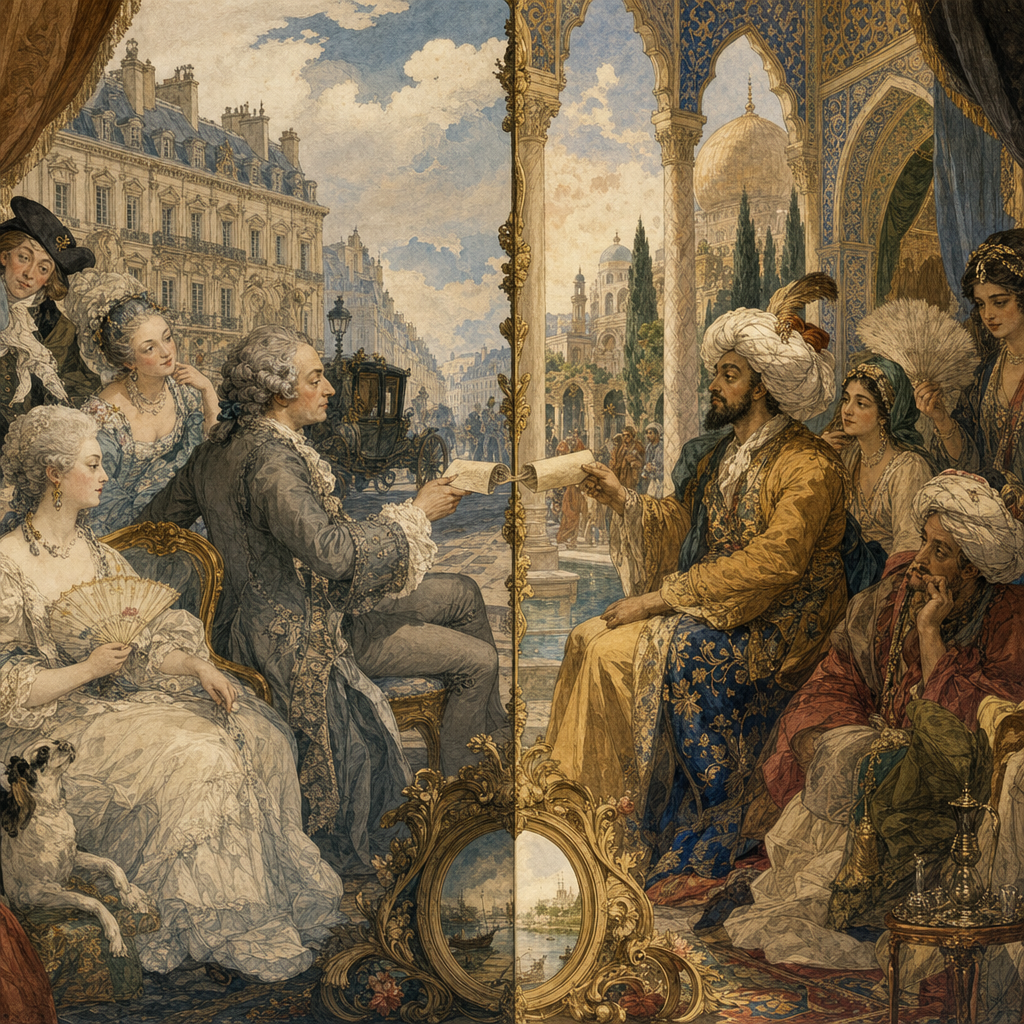
Every person operates with a final vocabulary — the last resort of justification, the place where we stop giving reasons and appeal to something we simply value or believe. These vocabularies are not chosen from a neutral standpoint; they are inherited, absorbed, and only sometimes consciously revised. The metaphysician holds her final vocabulary in an unreflective grip, treating it as the correct description of how things are. The ironist holds it lightly: she is aware that it was instilled by contingent historical circumstances and that other vocabularies — equally useful for their holders — describe the world differently.
Irony and Self-Creation
The ironist is not a relativist or a nihilist — she still cares about her vocabulary and acts on it — but she faces what Rorty calls the "permanent possibility of a better description." She is committed to ongoing self-creation: the search for new metaphors, new self-descriptions, new ways of seeing her life. Rorty draws on Proust, Nietzsche, and Heidegger as models of ironist self-creation: thinkers who constructed new vocabularies for themselves rather than inheriting received ones, who redescribed their past rather than simply living it forward.
Irony and Its Limits
Rorty insists that irony is a private matter, not a public one. In our private lives, the ironist ideal — holding our vocabularies lightly, pursuing self-creation, remaining open to redescription — is both achievable and valuable. But public political life cannot be organised around ironist attitudes: politics requires solidarity, shared commitments, and the language of rights and justice — not the aestheticised self-questioning of the literary intellectual. The liberal ironist keeps these two domains separate, being an ironist in private and a liberal in public.
Final vocabularies and the ironist are introduced in Part I of Contingency, Irony, and Solidarity (1989). Rorty's case studies of the ironist intellectual — Proust, Nietzsche, Heidegger, Nabokov, Orwell — occupy the central chapters.
Related Concepts