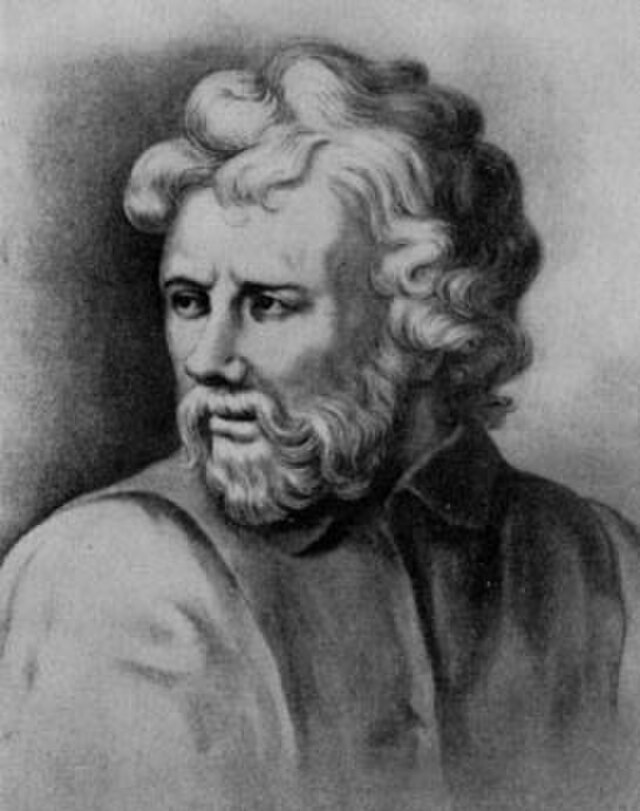
The Iron Limit of External Power
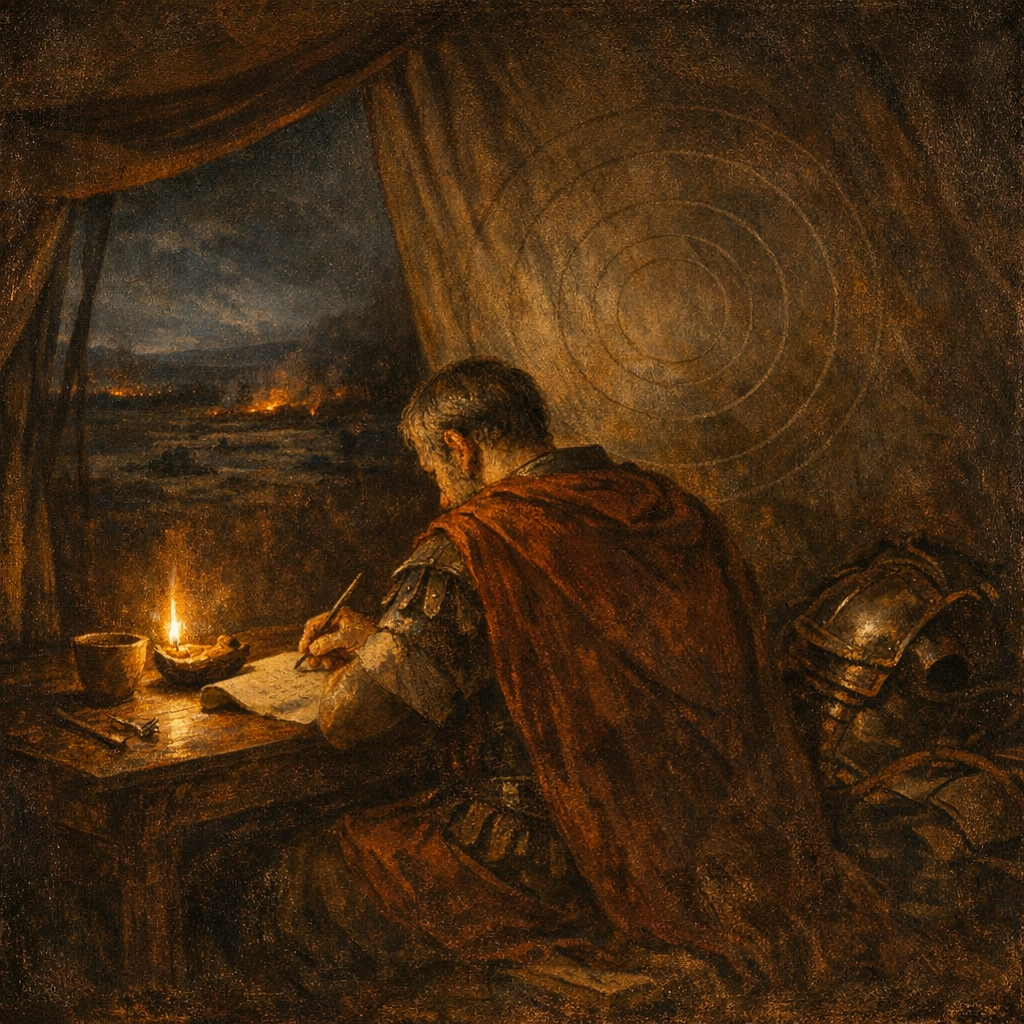
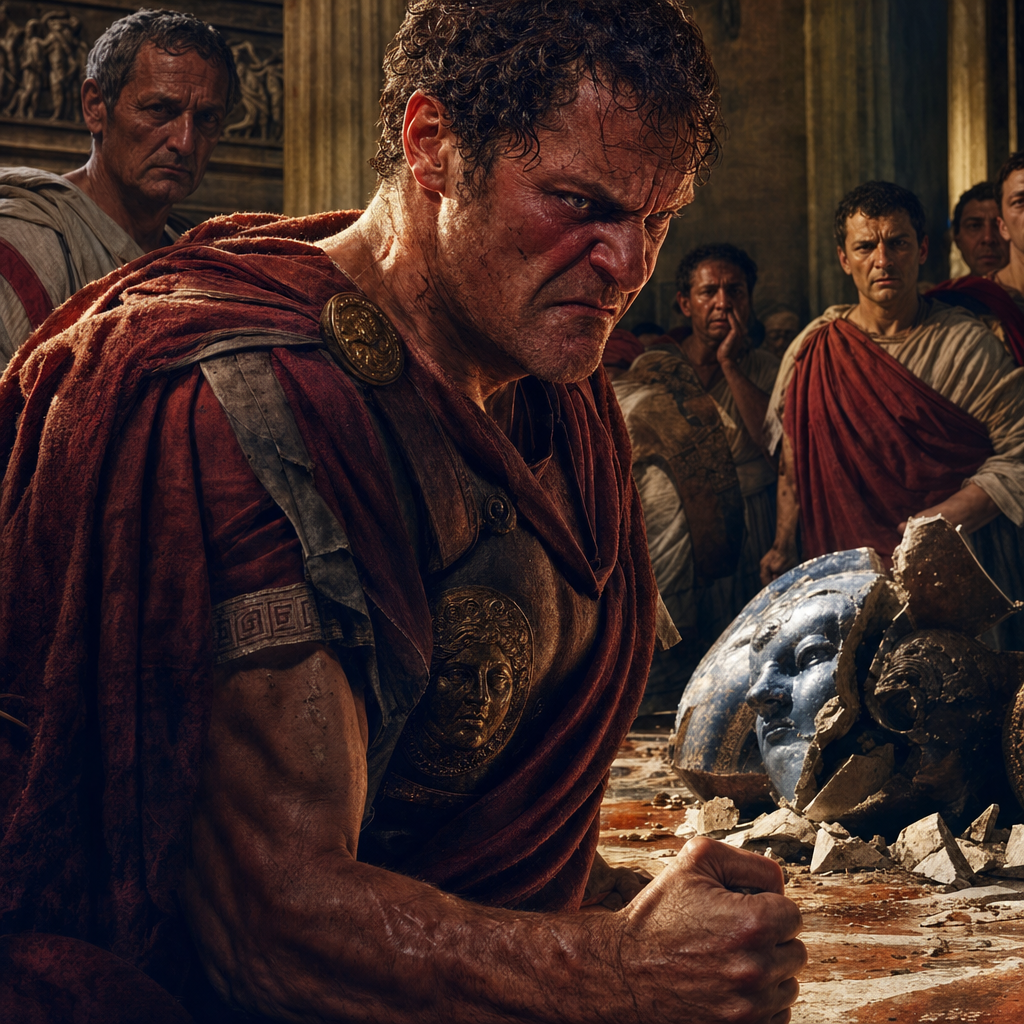
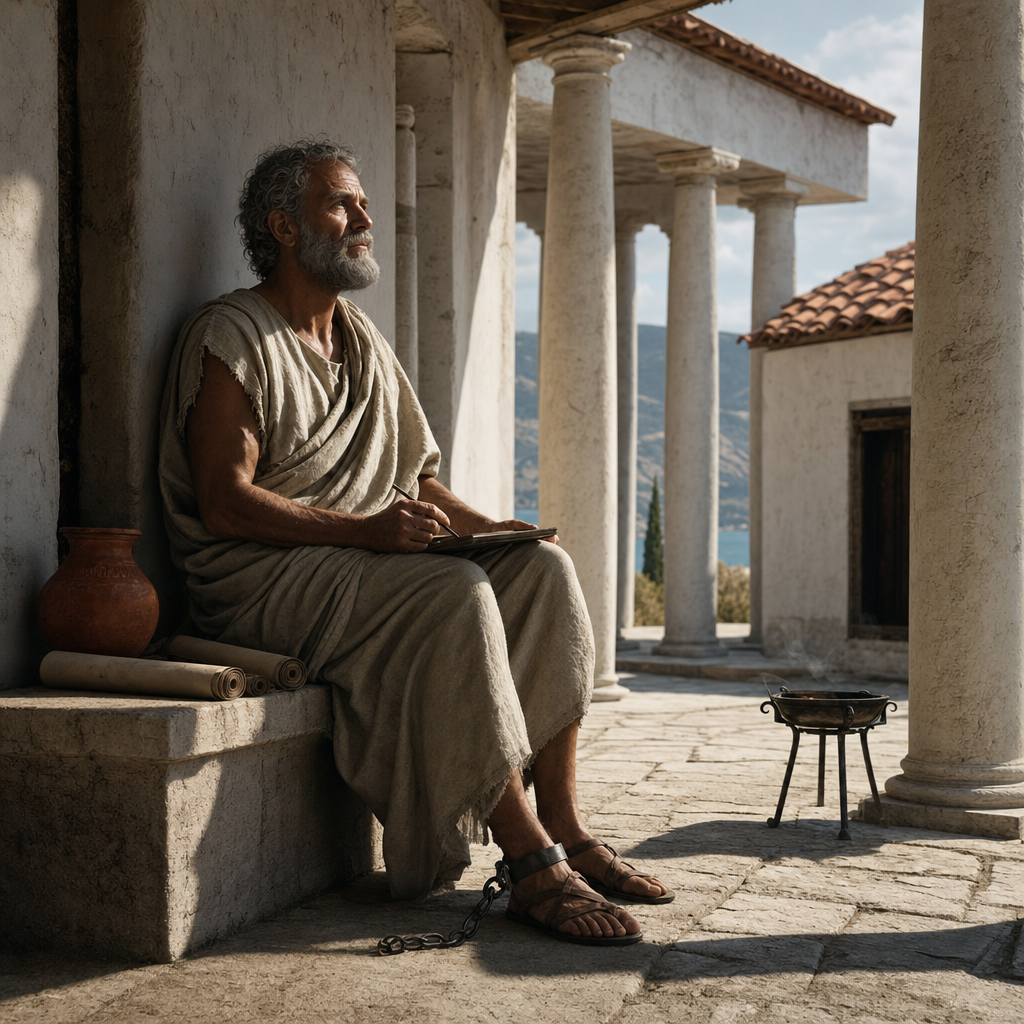
What can a tyrant actually do? He can chain the leg. He can confiscate property. He can exile, imprison, execute. But he cannot make you want what he wants, judge as he judges, or value what he values. The will — the faculty of assent, desire, and aversion — is not a physical thing and cannot be physically seized. Epictetus speaks from experience. His master once twisted his leg until it broke, and Epictetus said only: you will break it. When it broke, he said: did I not tell you?
You may fetter my leg, but my will not even Zeus himself can overpower.
The Real Prison
The true imprisonment, Epictetus insists, is not the iron chain but the internal submission that precedes it. When a person decides that they cannot be well unless they are free, wealthy, praised, or safe — at that moment they have handed their will over to whoever controls those conditions. The slaveholder who owns the body is less dangerous than the philosopher who teaches you that the body is what matters.
This is why Epictetus treats Socrates as his supreme example: going to trial with equanimity, refusing to beg for his life, accepting death without complaint. Not because death is pleasant, but because none of what was at stake — the jury's verdict, the sentence, the hemlock — was ever in Socrates's control. What was in his control was his entire life of preparation: the practice of not placing his wellbeing in external outcomes.
Freedom as Practice
The unconquerable will is not a given; it is trained. Epictetus returns again and again to the idea that these principles must be written, rehearsed, brought to readiness — not left as abstract beliefs but drilled into the disposition through daily exercise. The philosopher who has not practiced does not have the will; he only has the theory of the will.
This discourse appears in Chapter 1 of the Discourses. The biographical details of Epictetus's lameness and the broken-leg story are drawn from Origen's Contra Celsum and from Celsus.
Related Concepts