The Old Man's Wisdom
The key to the ending is not the famous last line but a short conversation that precedes it. The travellers encounter a Turkish farmer who has cultivated twenty acres with his children. He has never heard of the Mufti or the Viziers who were just strangled in Constantinople. He is not ignorant — he has deliberately disengaged from the machinery of power, patronage, and political catastrophe. His farm produces plentifully. His contentment is not indifference but a choice about where to direct one's energy.
"I have only twenty acres," replied the old man; "I and my children cultivate them; our labour preserves us from three great evils—weariness, vice, and want."
Work as Philosophy
The three evils the old man names — weariness, vice, and want — are precisely the conditions that have plagued Candide throughout. Idleness breeds both boredom and corruption; want drives people into the violence and fraud that fill the novel. Work is not a punishment but the cure for the conditions that make people dangerous to each other. This is a practical ethics, not a mystical one: it does not require heaven or philosophical certainty, only occupation.
The Garden as Limit and as Freedom
When Candide says "we must cultivate our garden," he is not advocating for withdrawal from the world — Cunegonde is still there, Paquette still embroiders, Friar Giroflée still does joinery. The garden is a community of people working alongside each other at something definite. It is also a rejection of the two philosophies that have competed throughout the novel: Pangloss's systematic optimism (everything is already the best) and Martin's systematic pessimism (nothing can be changed). The garden asserts that the local, the particular, the improvable matters — and that this is enough.
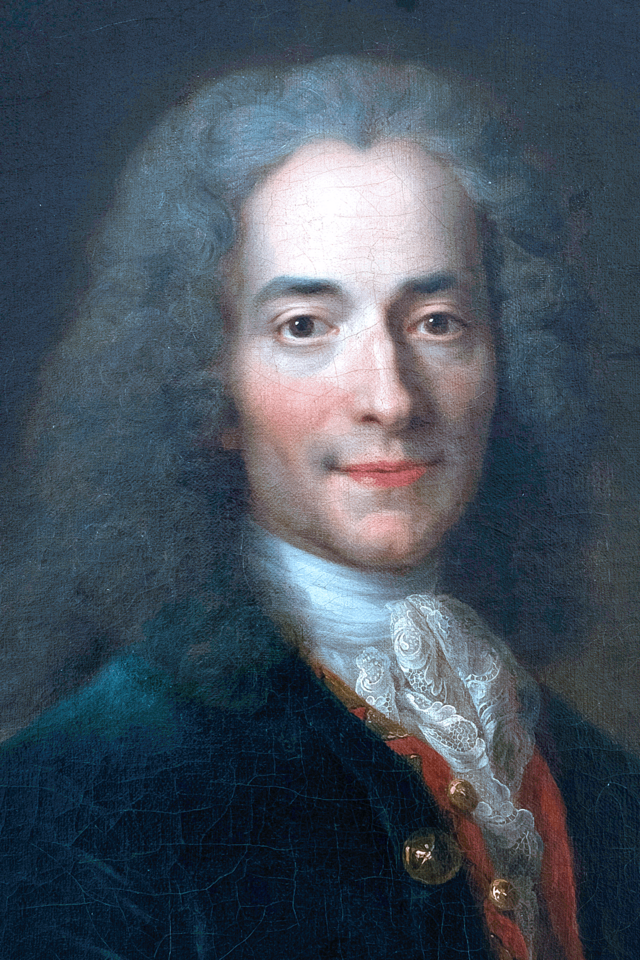
The garden ending echoes Voltaire's own retirement to his estate at Ferney, where he kept a productive farm, wrote incessantly, and campaigned for victims of judicial injustice. The garden was not, for Voltaire, a retreat from engagement but a different form of it.
Related Concepts